6 Aug 2026
Gulf visitor arrivals save Thai tourism from low season disaster
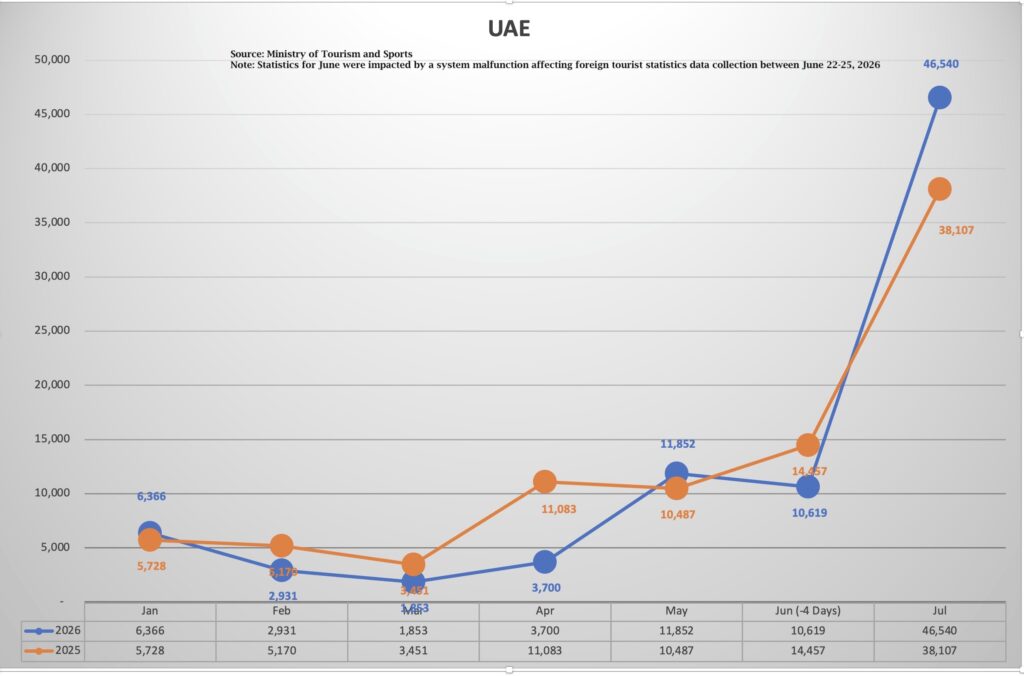
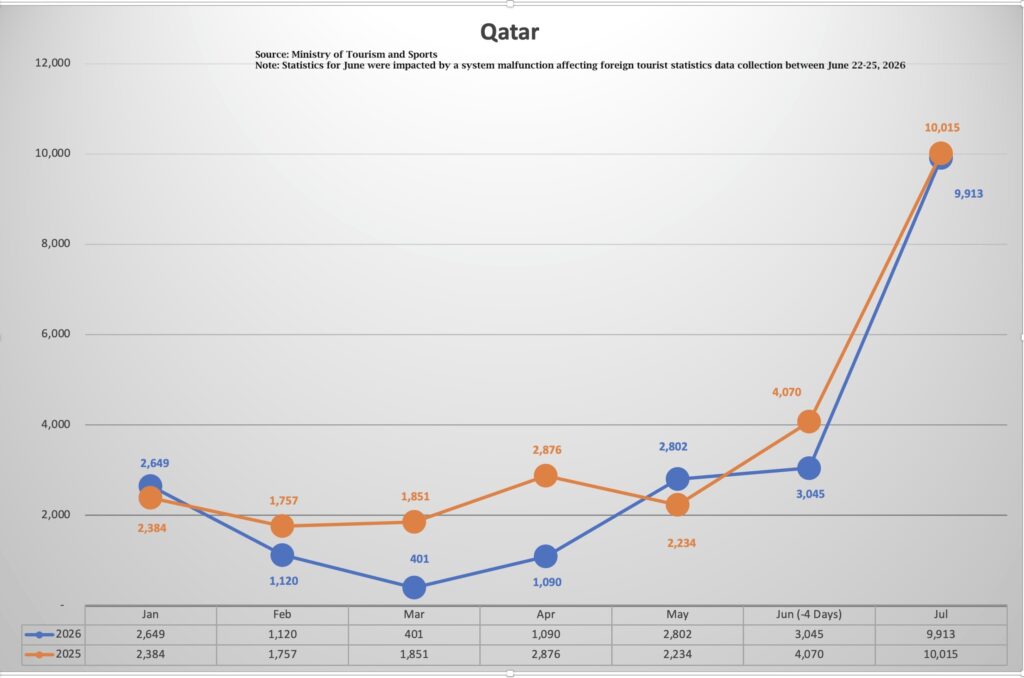
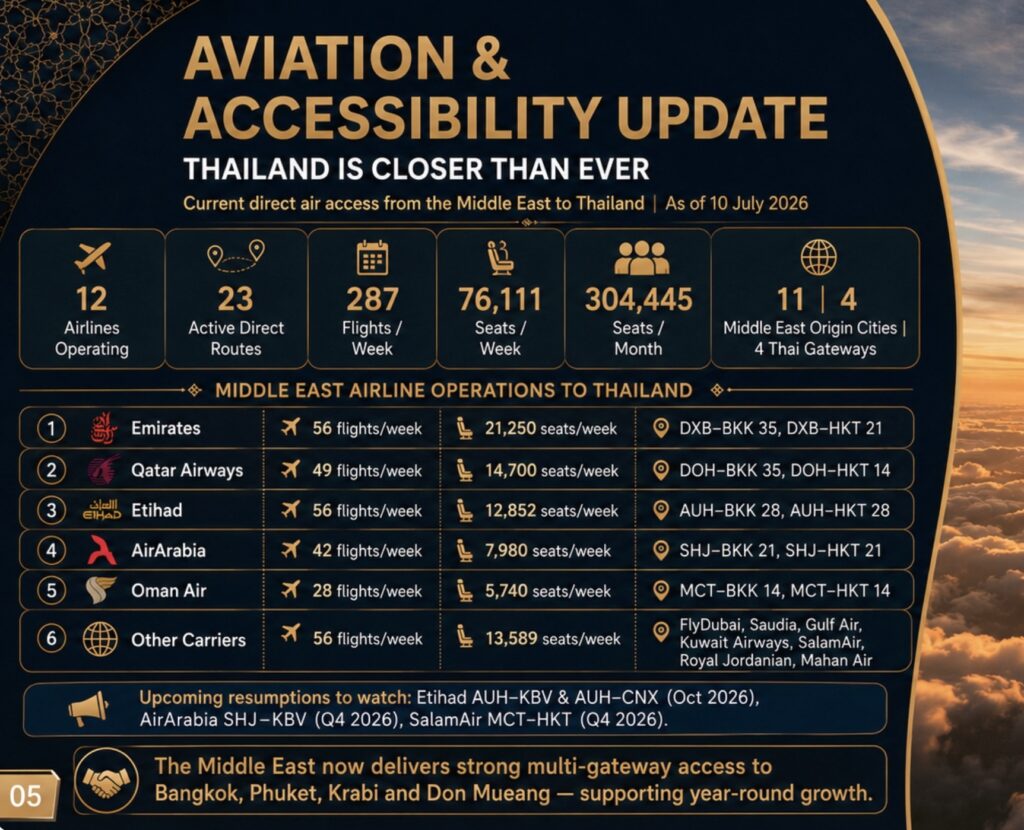
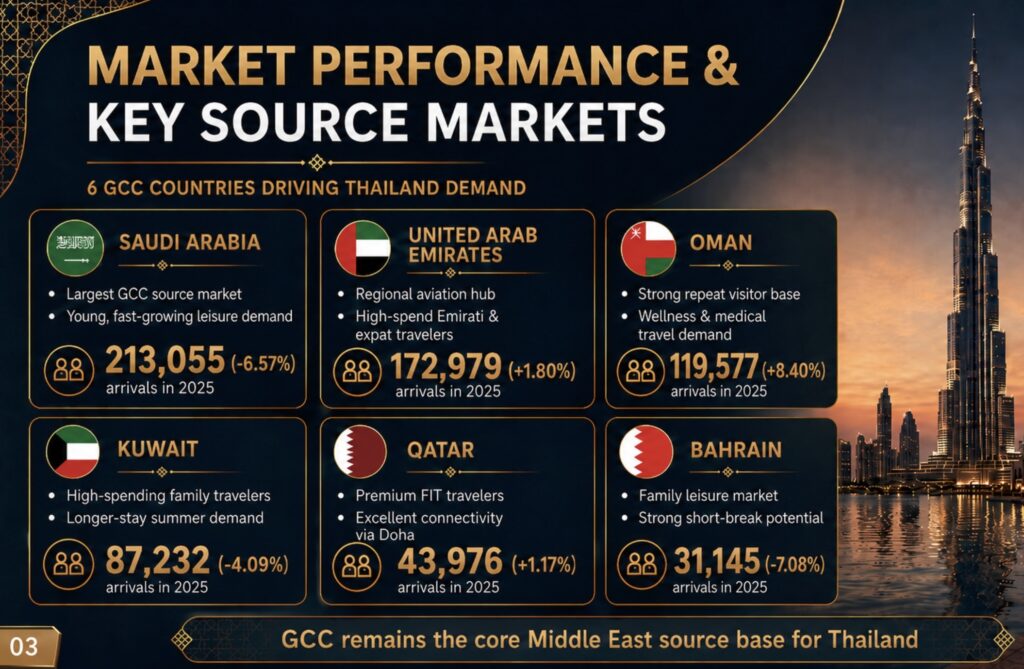
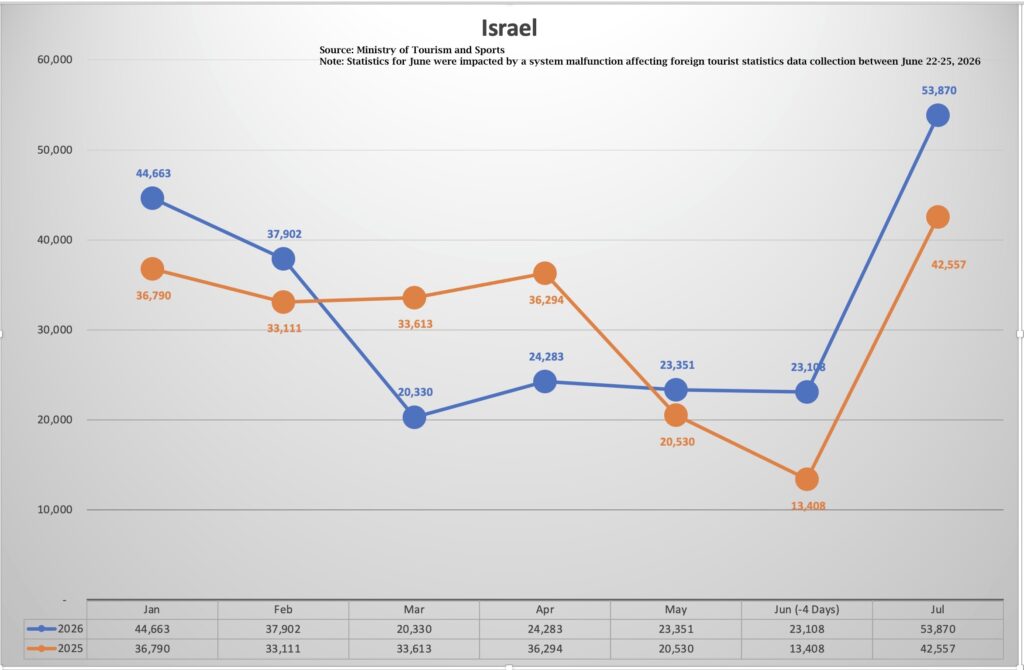
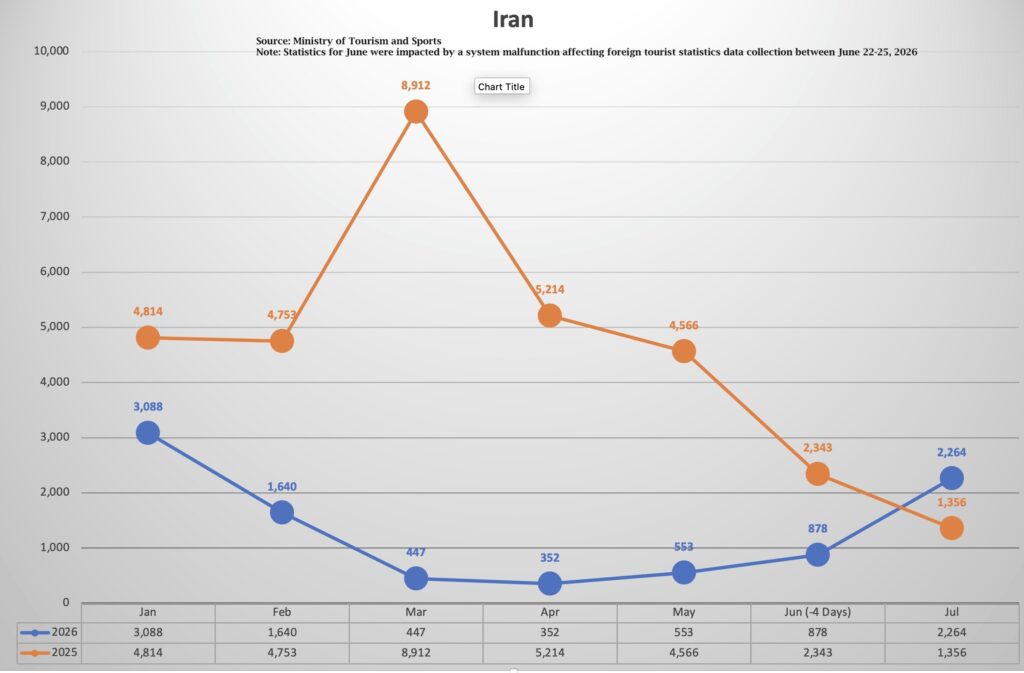
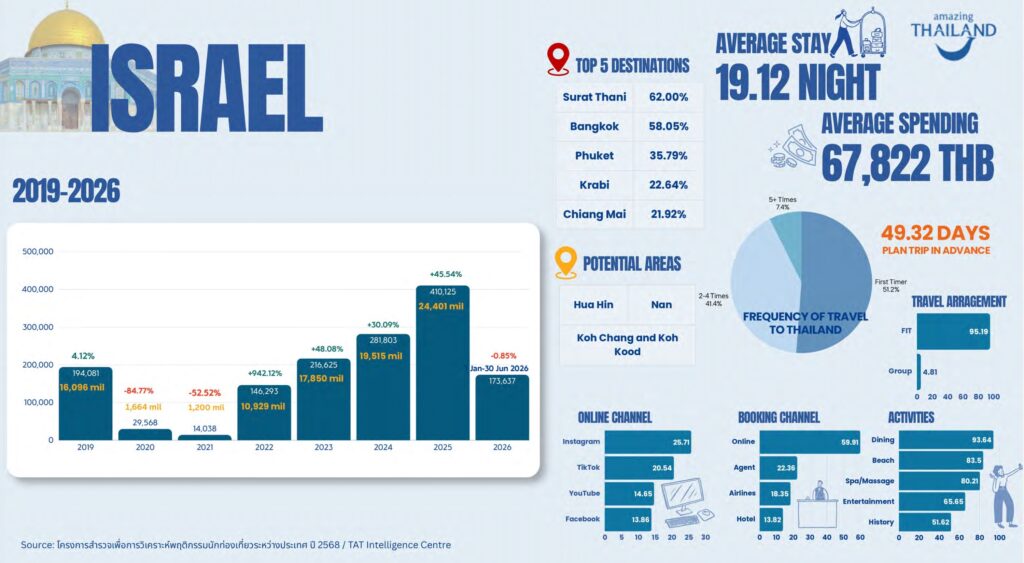
Bangkok — A surge in visitors from the Gulf countries in July saved the beleaguered Thai tourism sector from what would have been an unmitigated disaster. A few weeks of relative calm in the Gulf allowed flights to operate more or less normally, leading to a spectacular surge in arrivals during the so-called low season, lifting hotel occupancies, supporting thousands of jobs and distributing income. Even arrivals from Iran and Israel rose.
This growth would not have materialised had the US and Israel launched another attack on Iran, as they did in February 2026 and have repeatedly threatened to do again ever since.
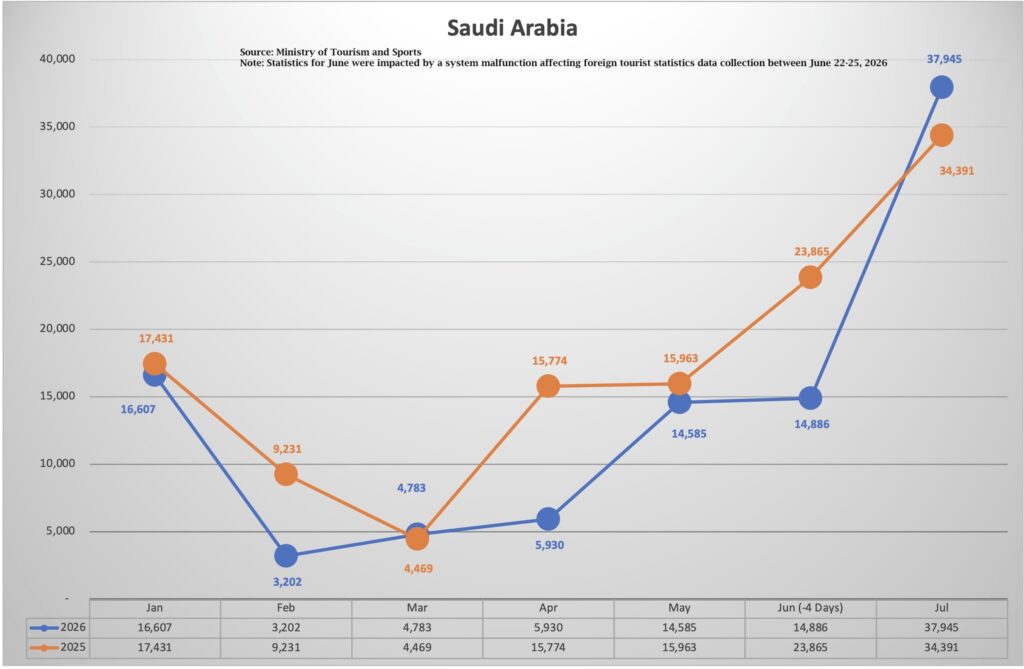
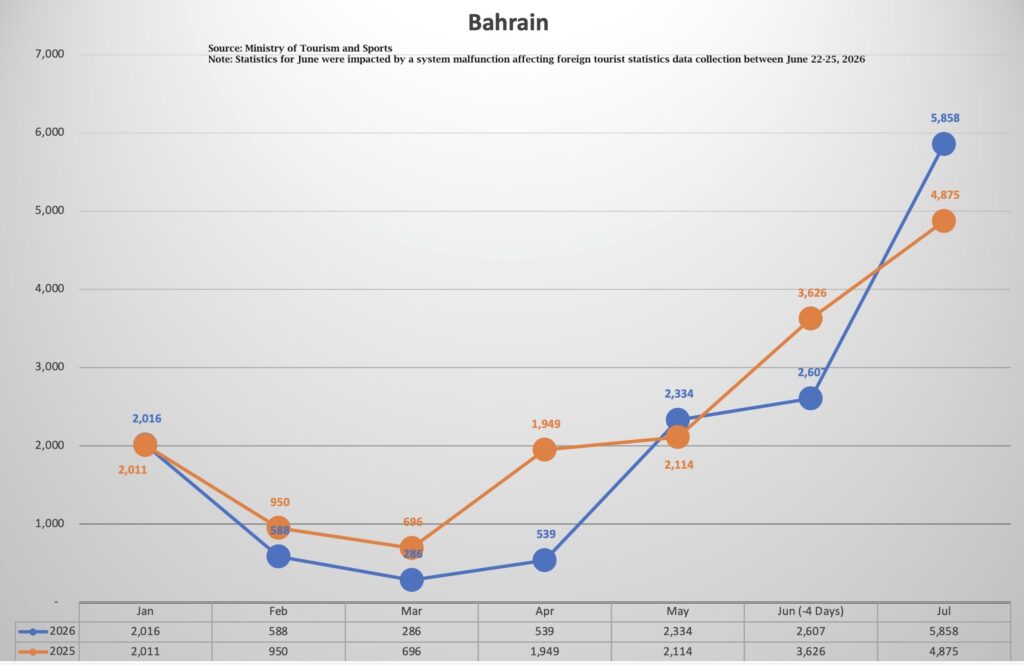
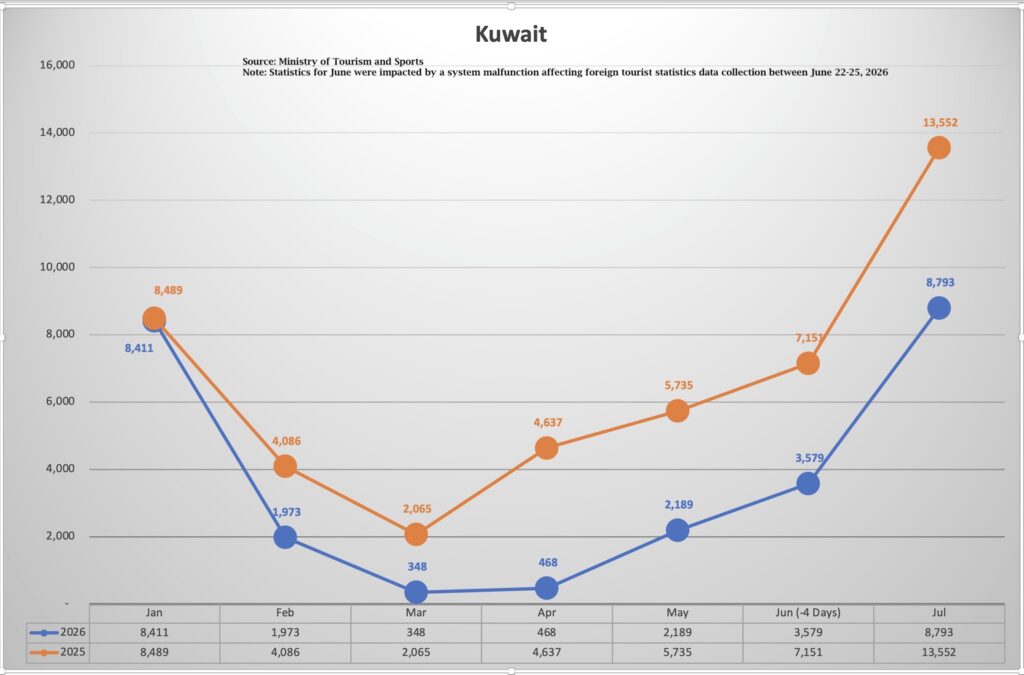
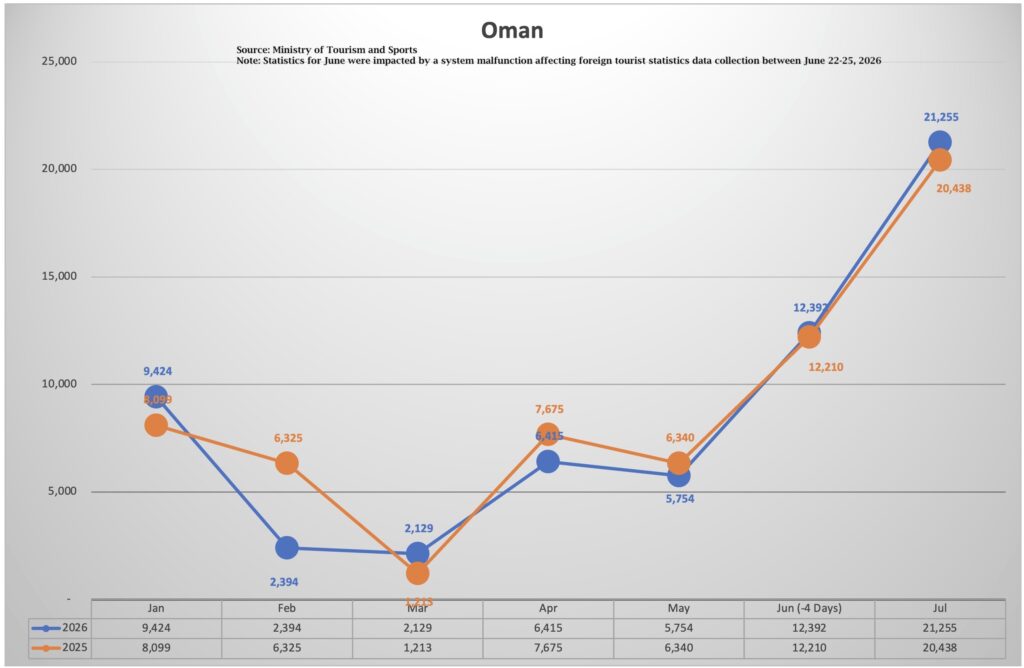
Given this precarious state of the operating environment, these statistics send out a clear message: The future of Travel & Tourism in Thailand and perhaps the rest of the world is dependent entirely, repeat ENTIRELY, on geopolitical disruptions and their ripple effect impact. Unless and until Travel & Tourism worldwide can raise its game to a new level of maturity to preserve the peace, no amount of superficial marketing campaigns, crisis management or resilience and recovery projects will do any good.
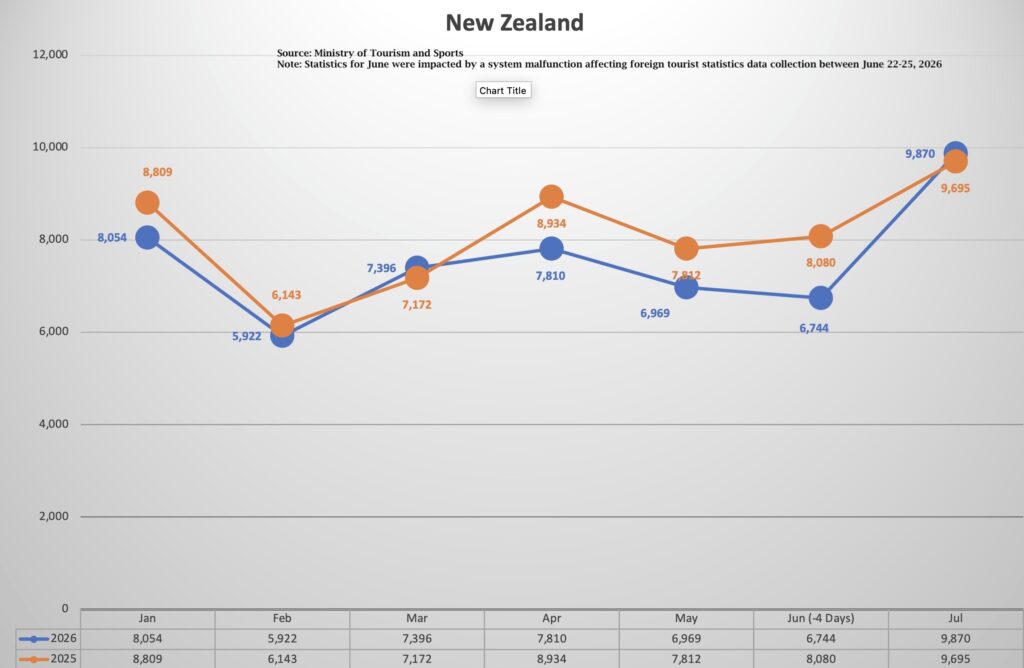
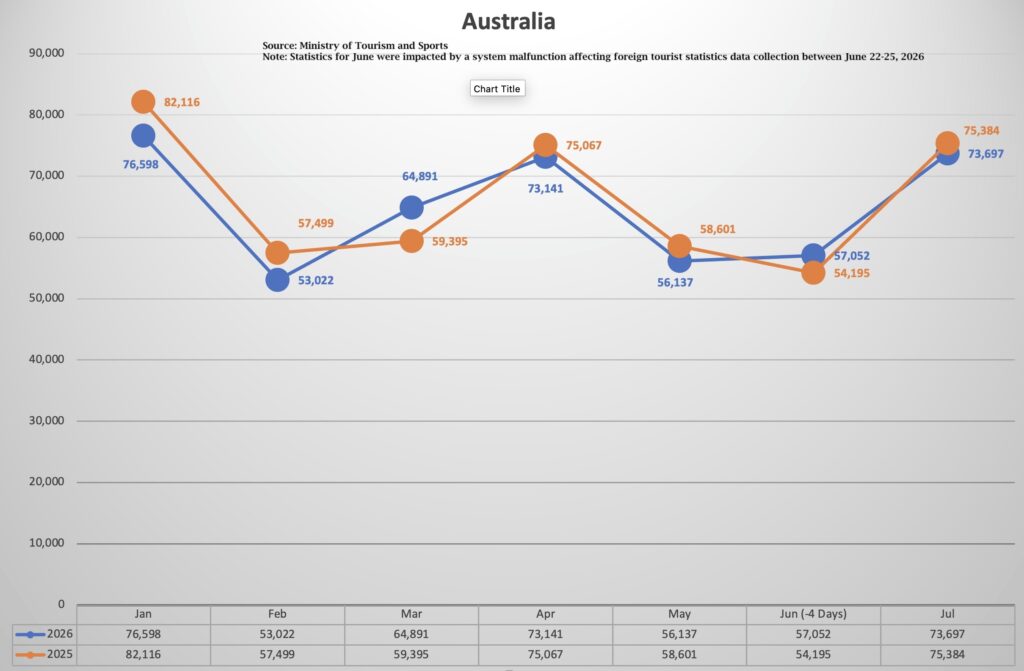
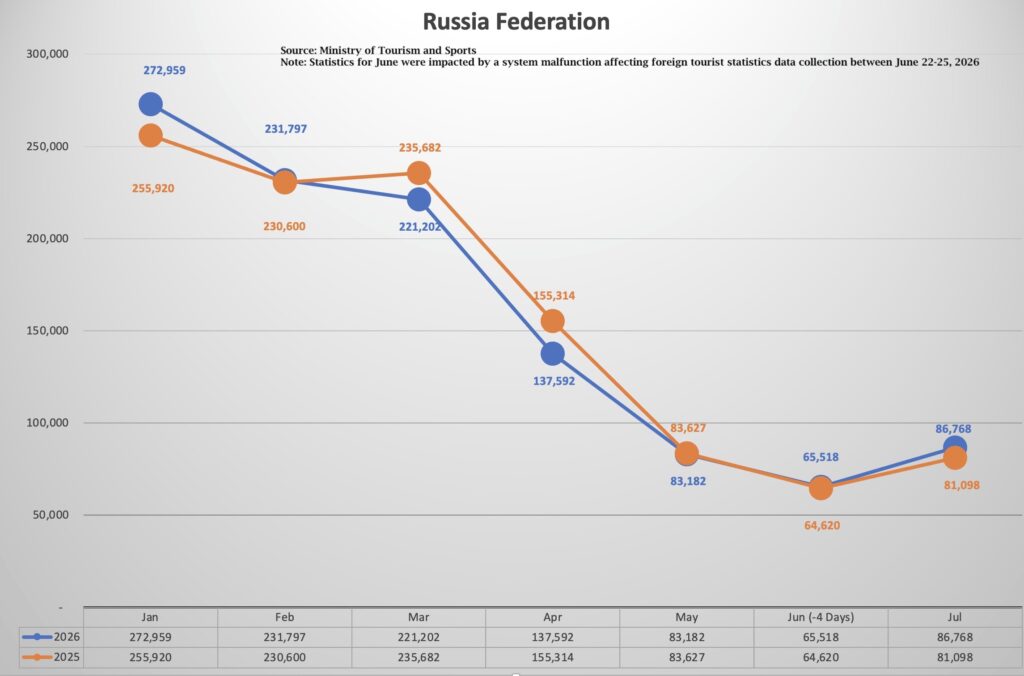
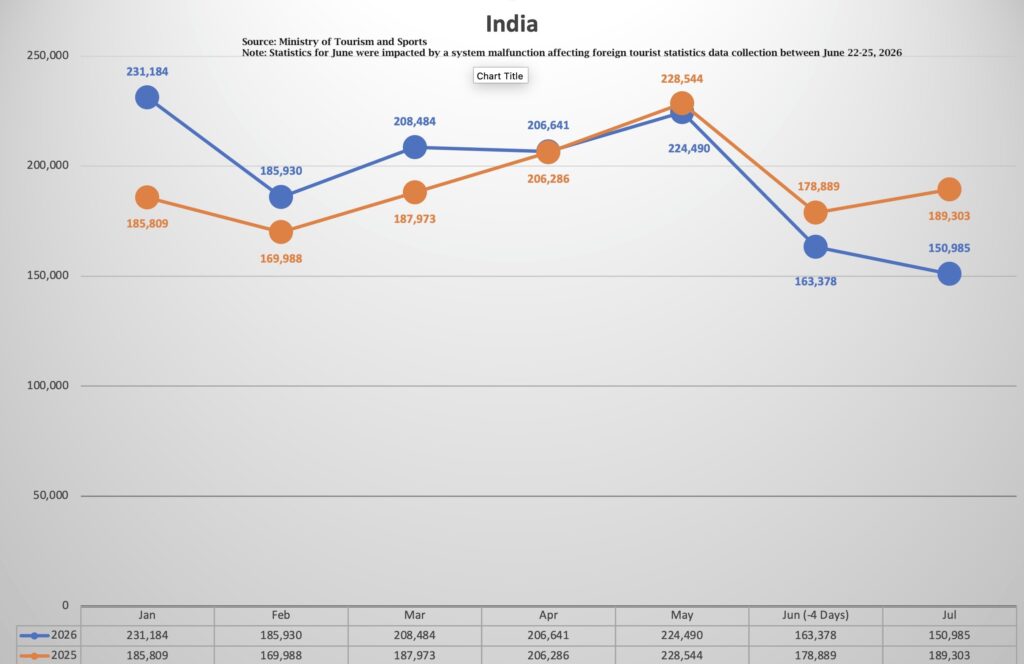
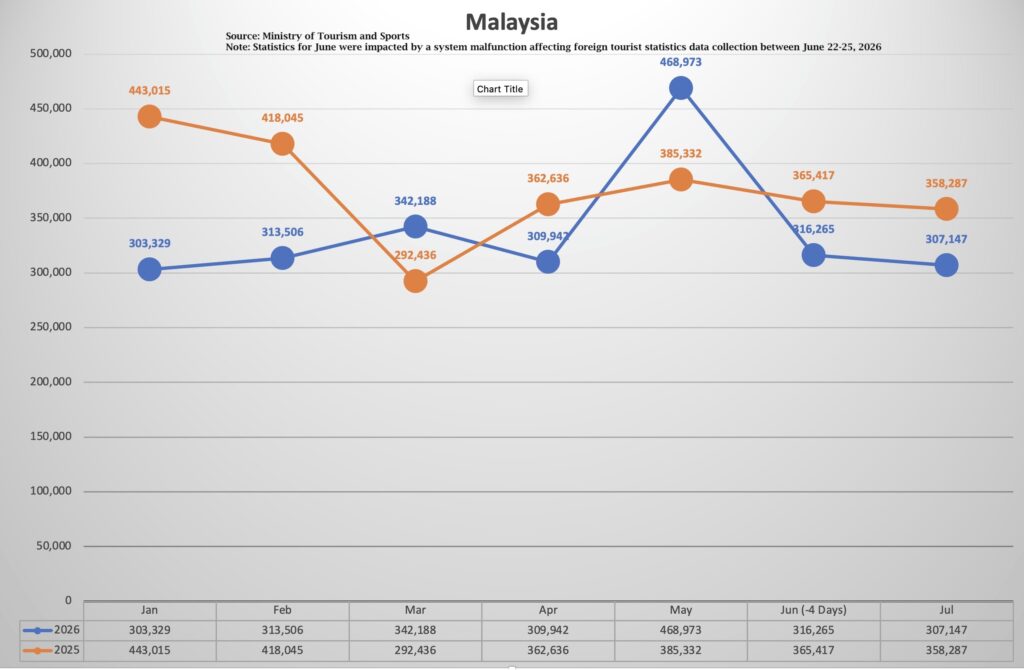
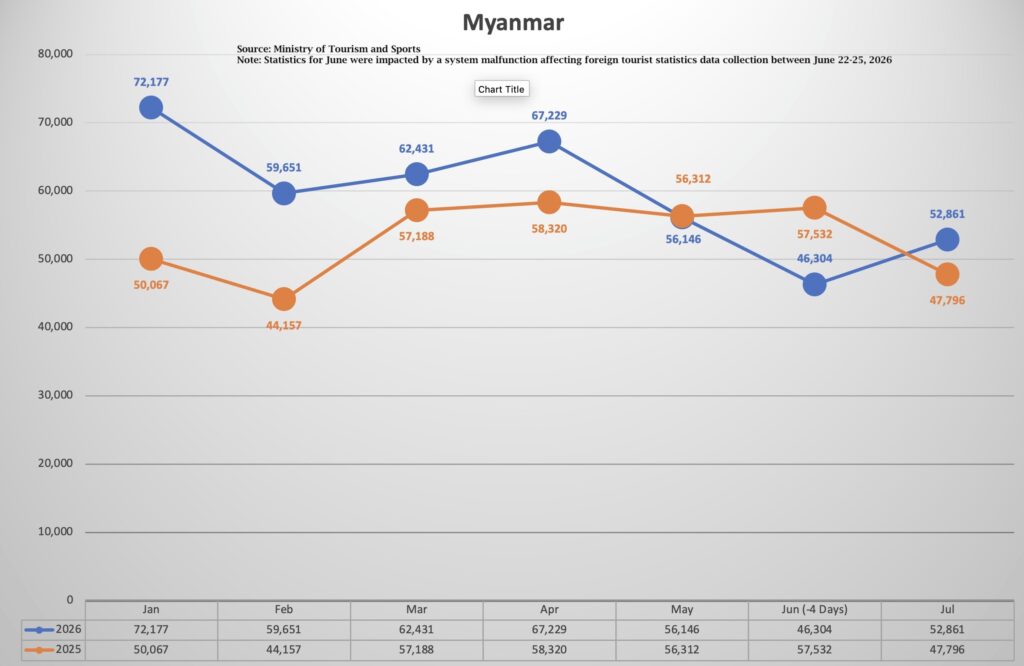
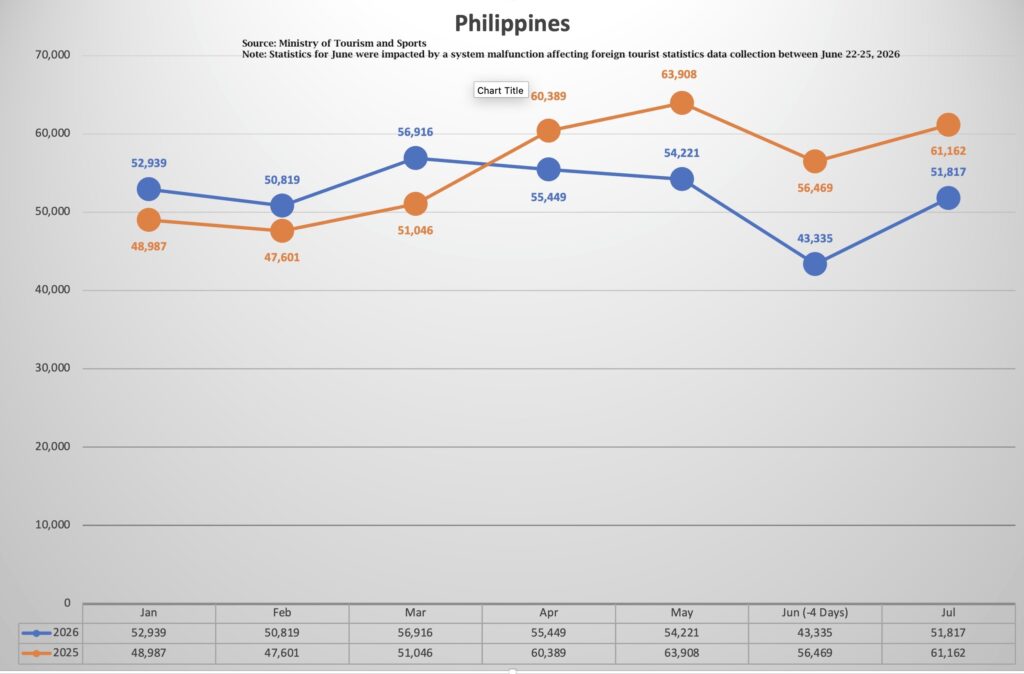
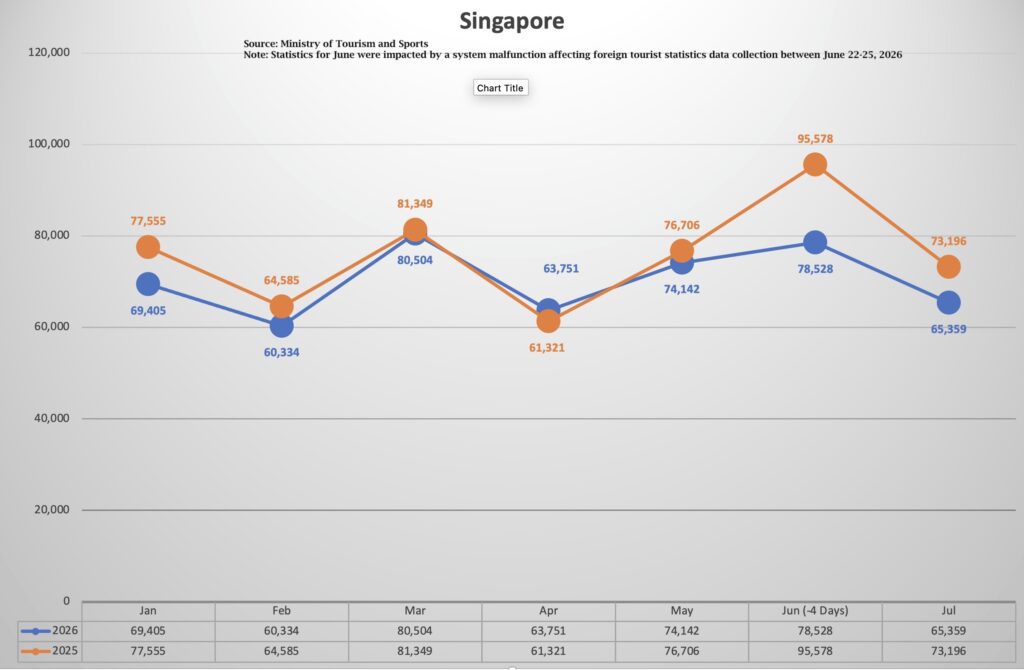
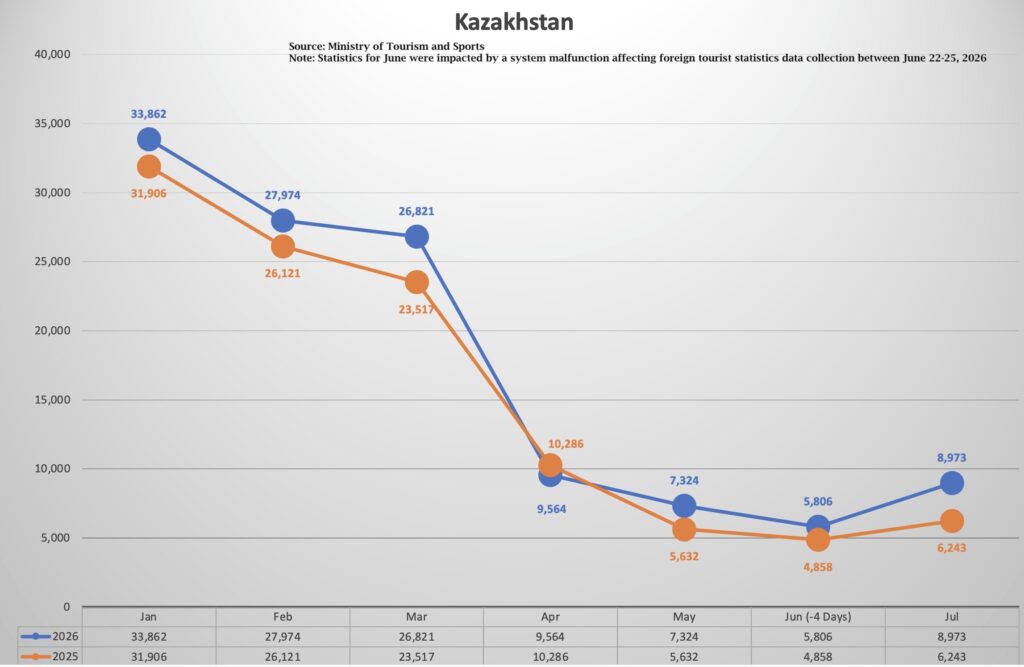
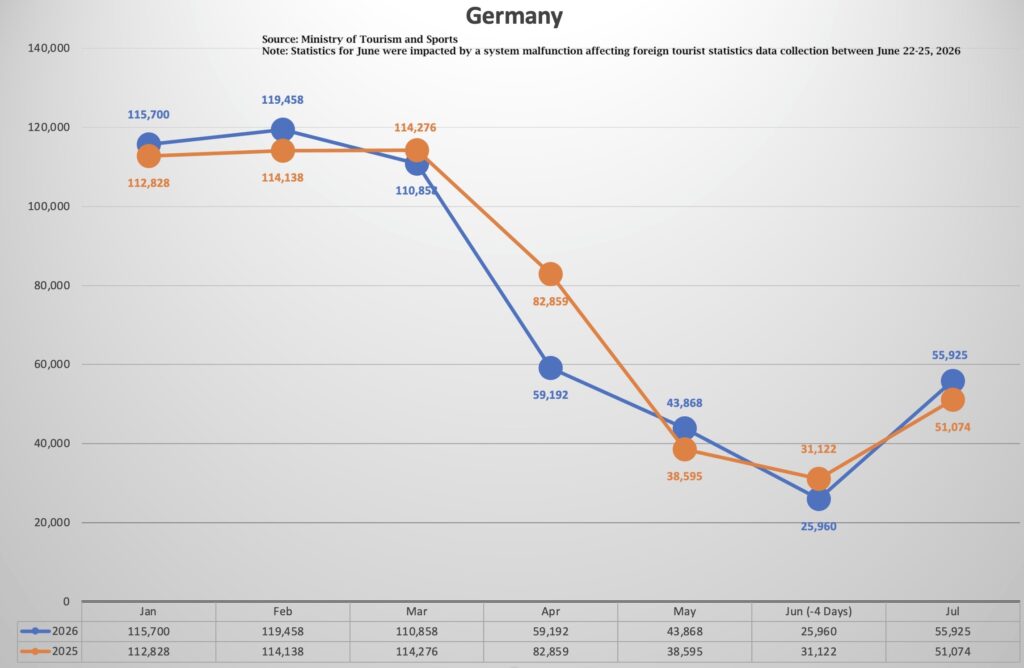
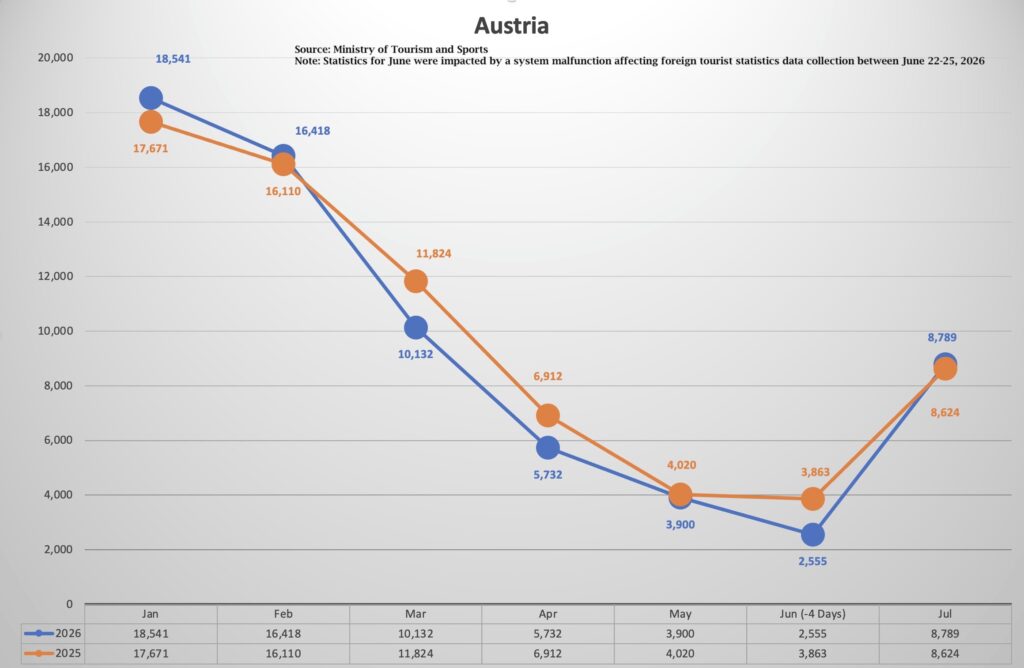
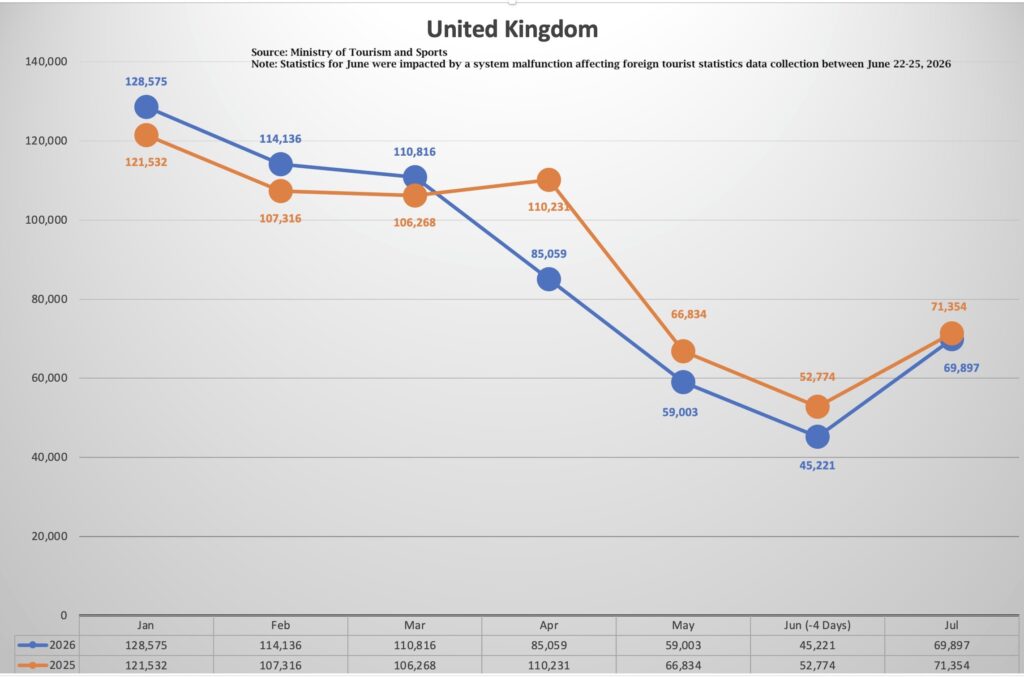
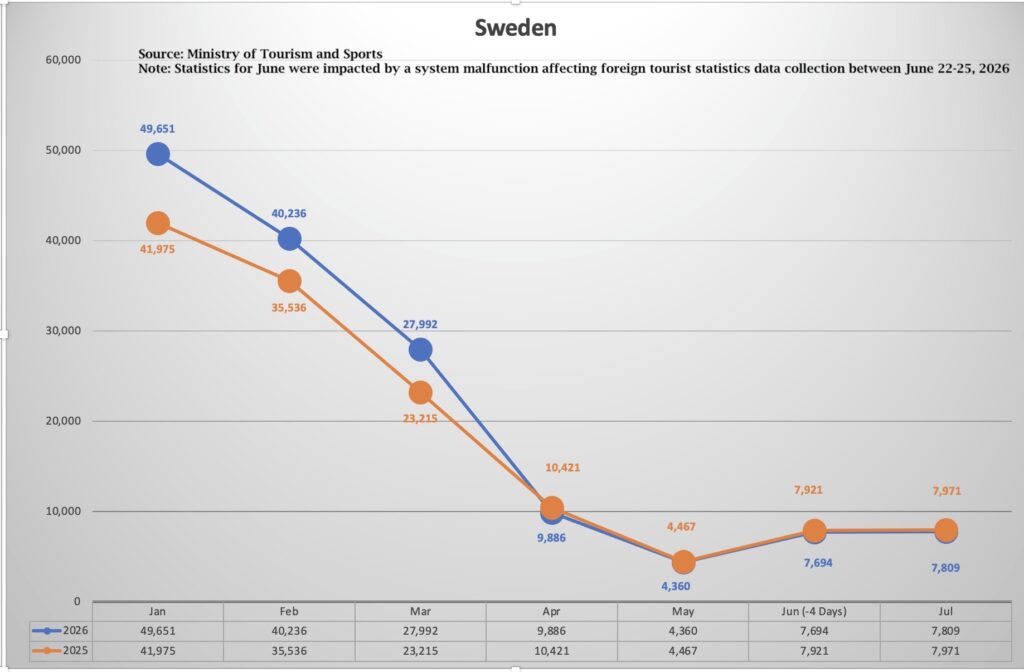
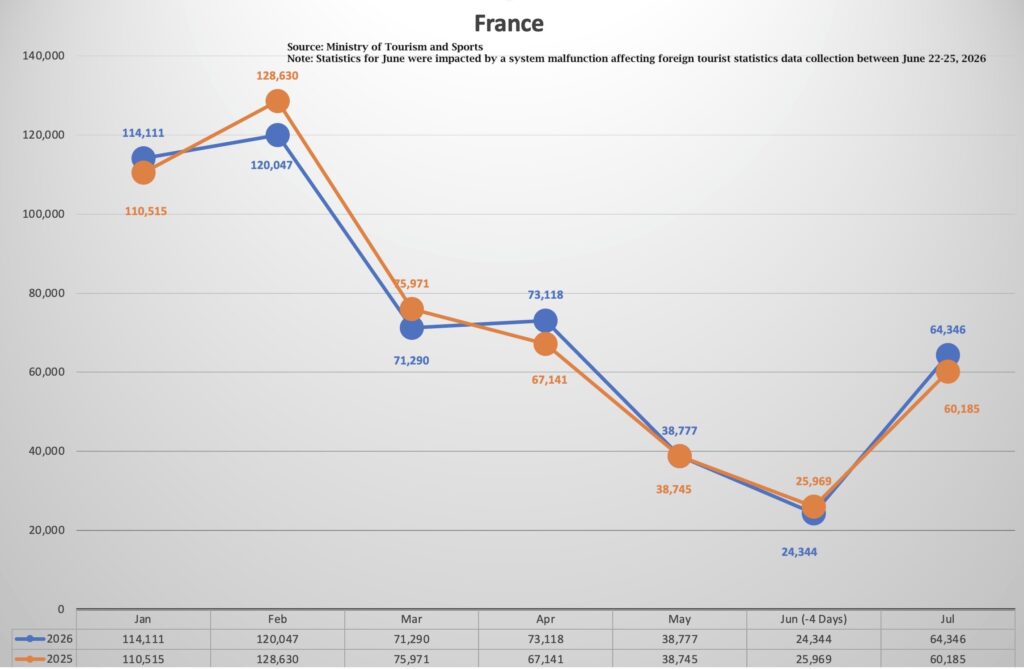
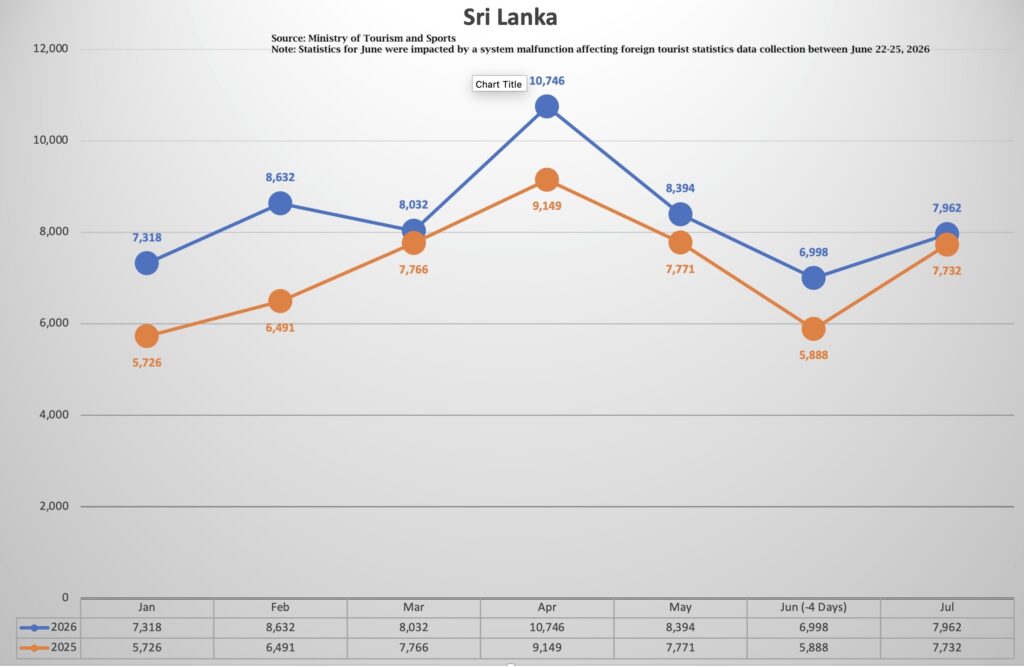
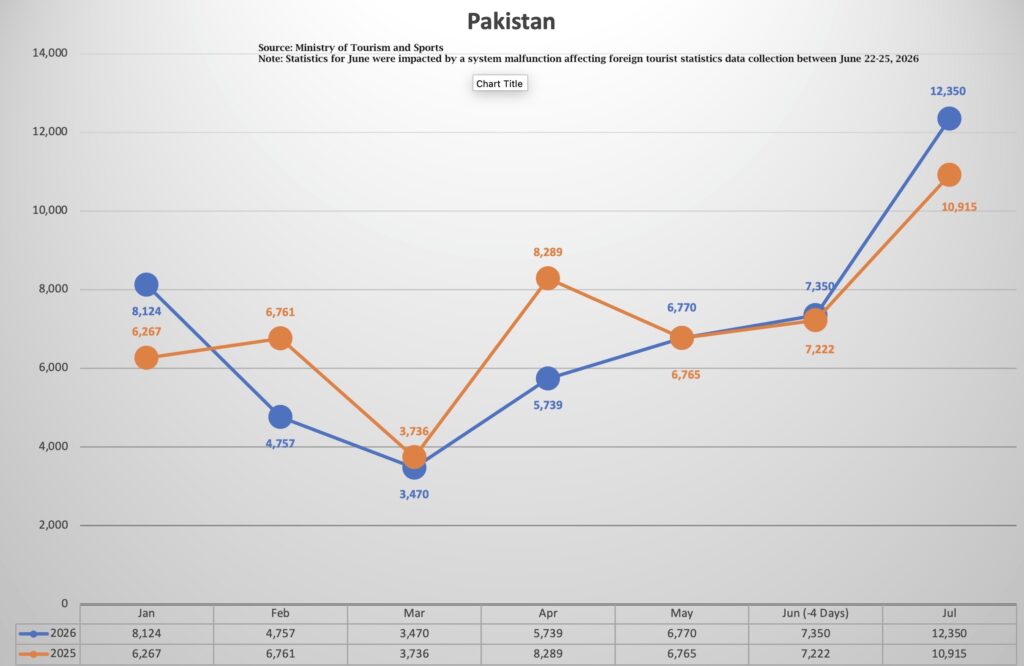
Analysts of the Thai tourism scene focus excessively on the high-volume Chinese, Malaysian, Russian and Indian markets. Contrary to their own policy, they forget the so-called “high-value” market. This analysis plugs that deficiency. The charts below show the sharp spike in arrivals from the Gulf as well as selected other countries, to allow a comparative analysis.
July and August are the peak months for arrivals from the Gulf as people flee the scorching summer heat for the cool monsoon rains of Thailand. If the calm holds in the Gulf, August will also be a good month.
In fact, the arrivals are better than shown in the stats. As they are tabulated by nationality, not country of residence, they exclude the much larger number of expatriates living in the Gulf. The Ministry’s reporting format also does not show the average of stay, which stands at about two weeks per head.
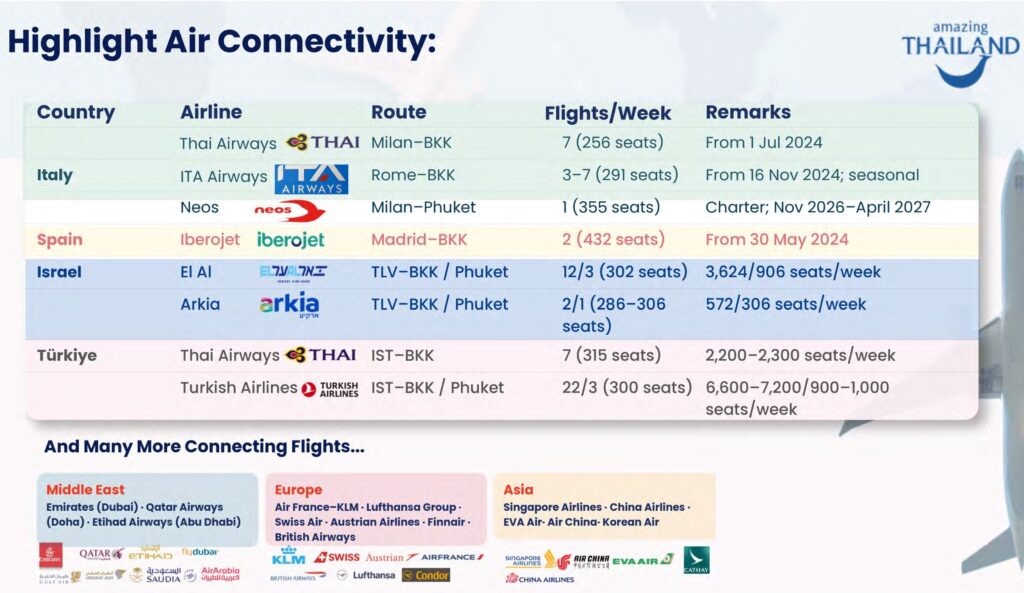
At the Tourism Authority of Thailand’s annual Strategic Direction planning meeting in July, each market was carefully dissected and analysed to identify the opportunities. Although there is a lot of talk about promoting Value over Volume, Thailand is facing intense competition on both fronts.
The list of risks, threats and uncertainties is growing. Fundamental changes are being made across the board to tap the opportunities and future-proof the operating environment. But what happens over the rest of 2026 will depend entirely on the next “external shock”.
The bottomline takeaway from these statistics is clear: Travel & Tourism needs at least three years of peace and quiet across all fronts. Establishing exactly how to make that happen must become the overarching priority for the industry at large.


Iran / Israel
India China Russia
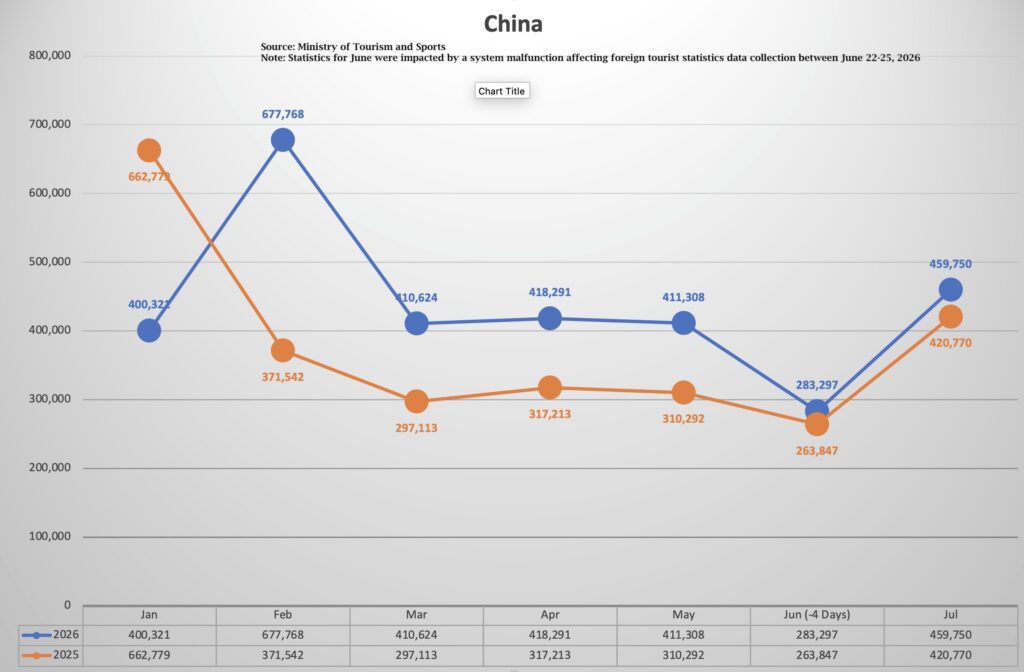
ASEAN countries
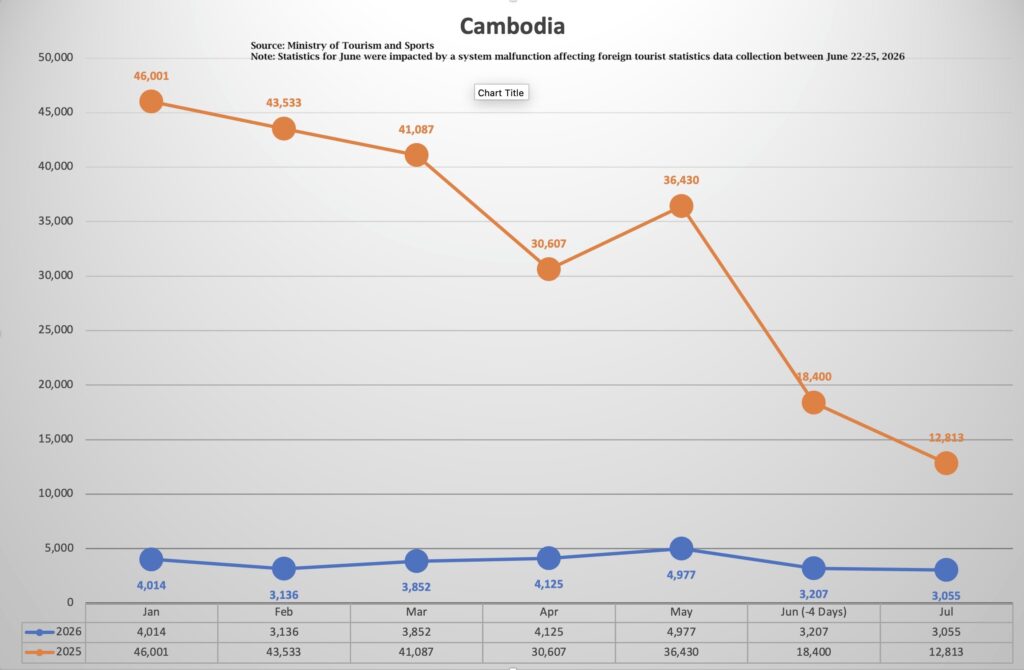
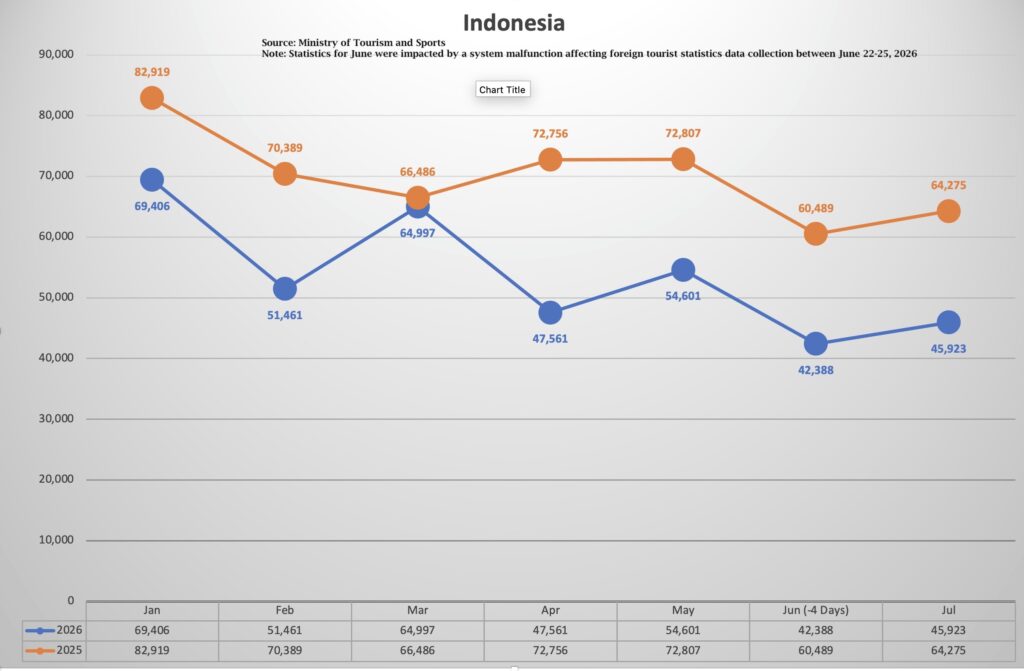
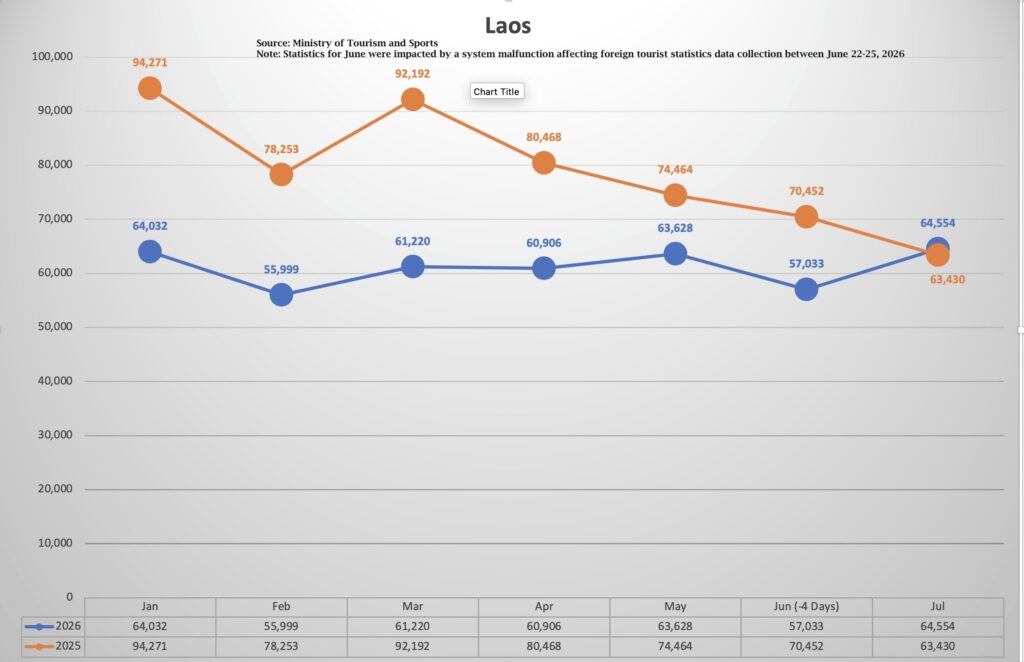
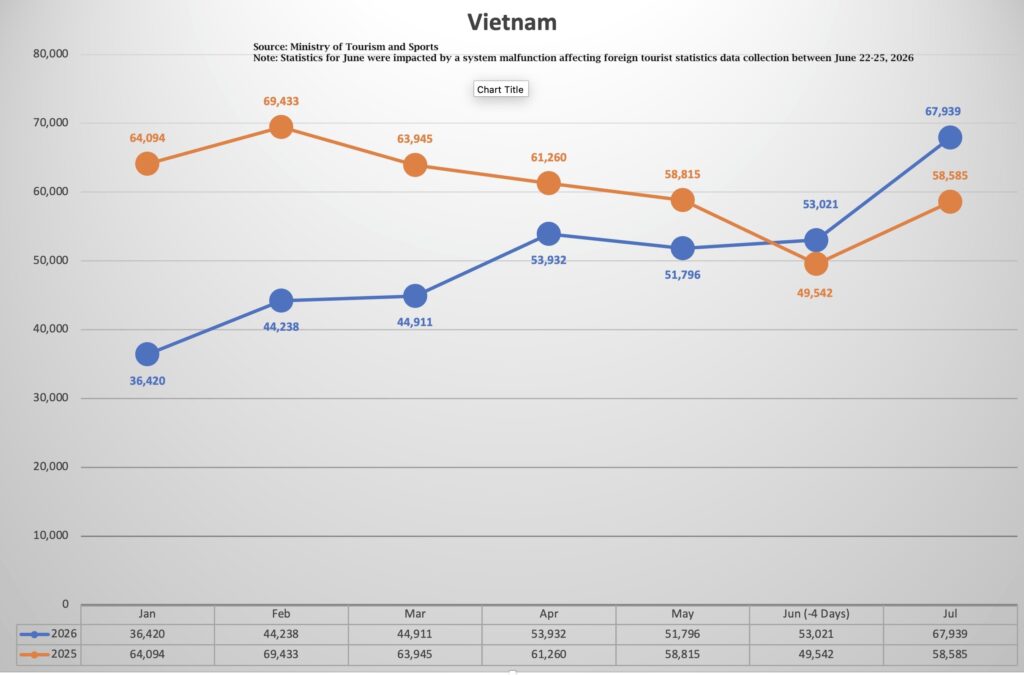
Europe/Central Asia
South Asia
Australia / New Zealand