
2 May 2026
Foreign Ministry taps Young Gen Thai-Muslim Talent to Build Peace Tourism
Bangkok — Three creative videos made by Young Gen Thai-Muslims have been conferred awards by the Ministry of Foreign Affairs for promoting Thailand as a Muslim-friendly destination. The masterfully created, scripted and directed videos are now readymade marketing tools well-suited for campaigns to attract Muslim visitors from ASEAN, the Islamic world and the Muslim diaspora worldwide.
In his opening remarks at the awards ceremony, Mr Panidone Pachimsawat, Acting DG of the MFA’s Department of Information, said, “This competition project provides an opportunity for Thai youth to express their creativity by sharing stories about Thailand from the young generation’s perspective to a global audience. It aims to promote greater understanding of Thailand as a multi-cultural society that values peaceful co-existence among people of diverse cultures, religions and beliefs.” He commended their “impressive work in conveying the image of Thailand as a multi-cultural society in such a meaningful way.”
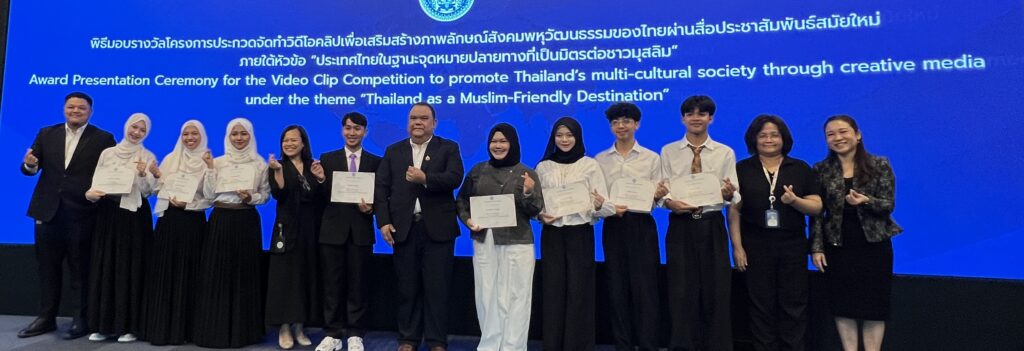
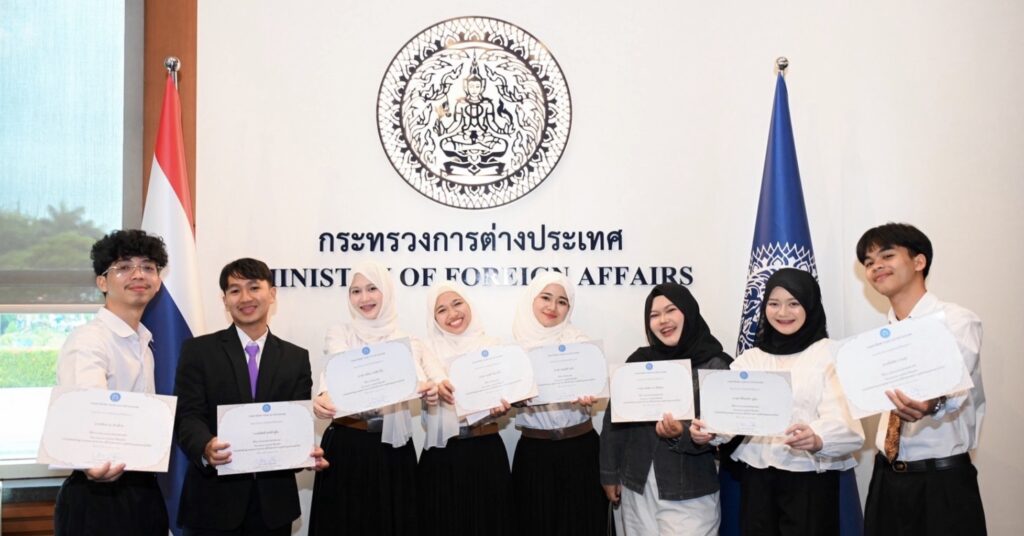
The prize winners… (Picture courtesy: Ministry of Foreign Affairs)
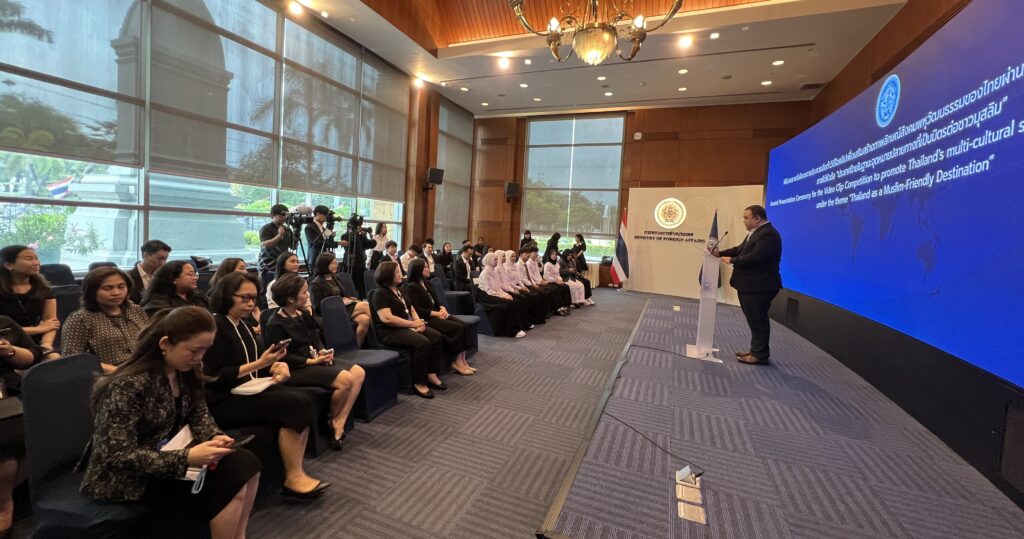
The project, the first of its kind, was initiated as part of the MFA’s economic diplomacy strategy, one of its key policy priorities. A total of 97 submissions were received from Thai-Muslim youth aged 15-22. The judging panel had a tough time making a decision as all the submissions “demonstrated creativity and conveyed compelling key messages.” Finally, the following were selected:
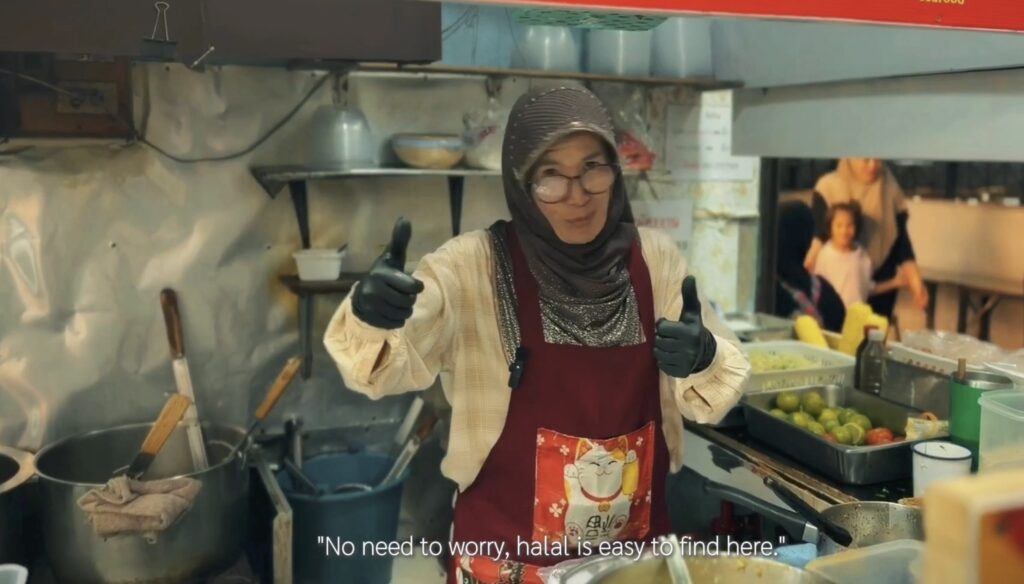
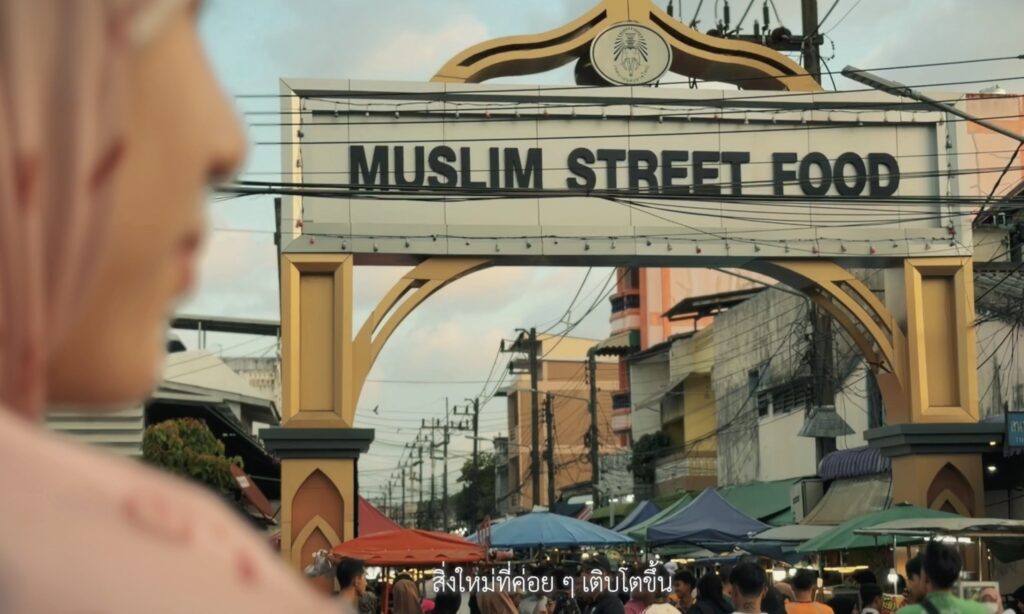
• FIRST PRIZE: Ms. Fahmee Sani, Ms. Puteri Man-aree, and Ms. Asma Hayeedaoh from Prince of Songkhla University, Hat Yai Campus, with a cash prize of 30,000 baht. This video by an all-women team highlighted the availability of halal food from street food to convenience stores, as well as certified halal products and services, such as spas.



• FIRST RUNNER-UP: Ms. Kittiya Narasantikun, Ms. Sirinya Yuleh, Mr. Ikrom Chedueramae, Mr. Amnan Samoh, and Mr. Alyas Wohma from Yala Rajabhat University, with a cash prize of 20,000 baht. This highlighted the shared values of cross-cultural Buddhist-Islamic traditions and stressed that the stereotype image of the Southern Provinces as portrayed in the mainstream media was vastly different from the reality on the ground.
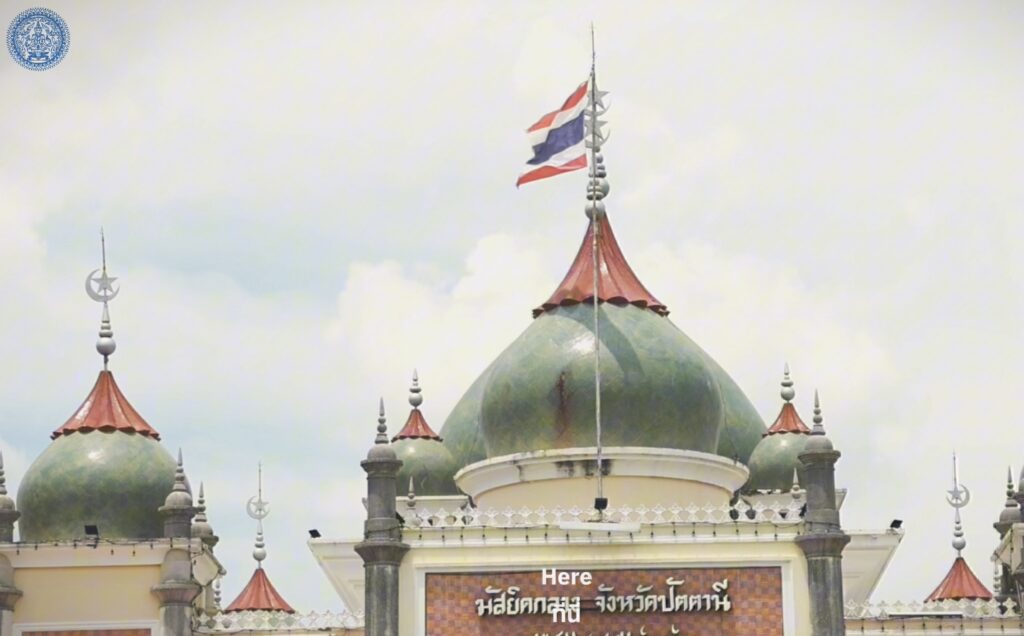
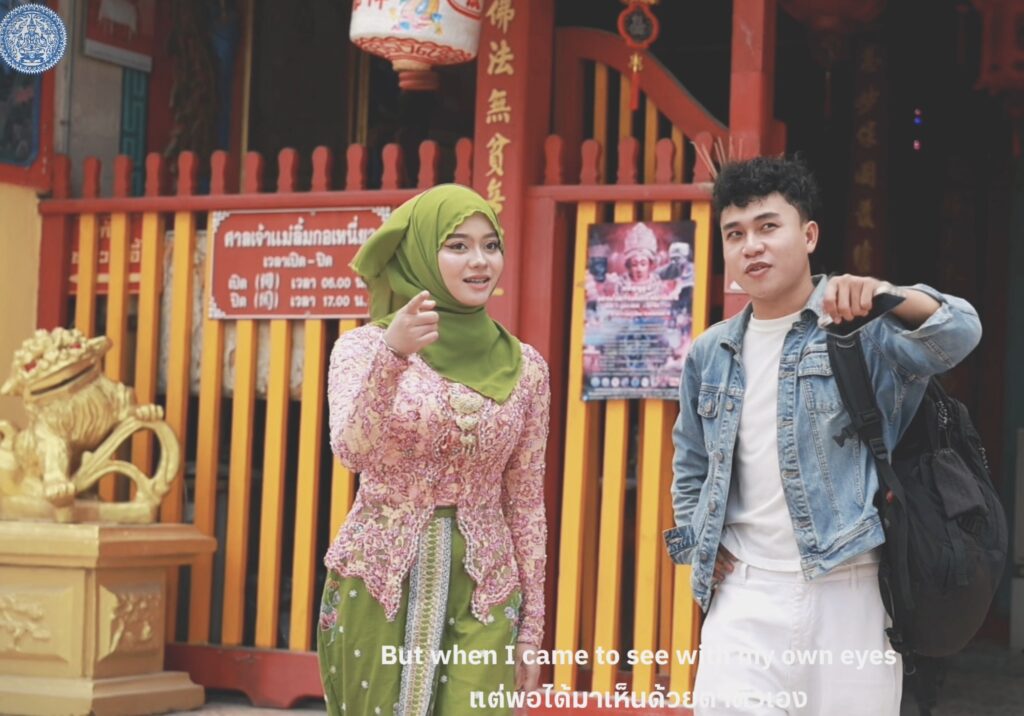
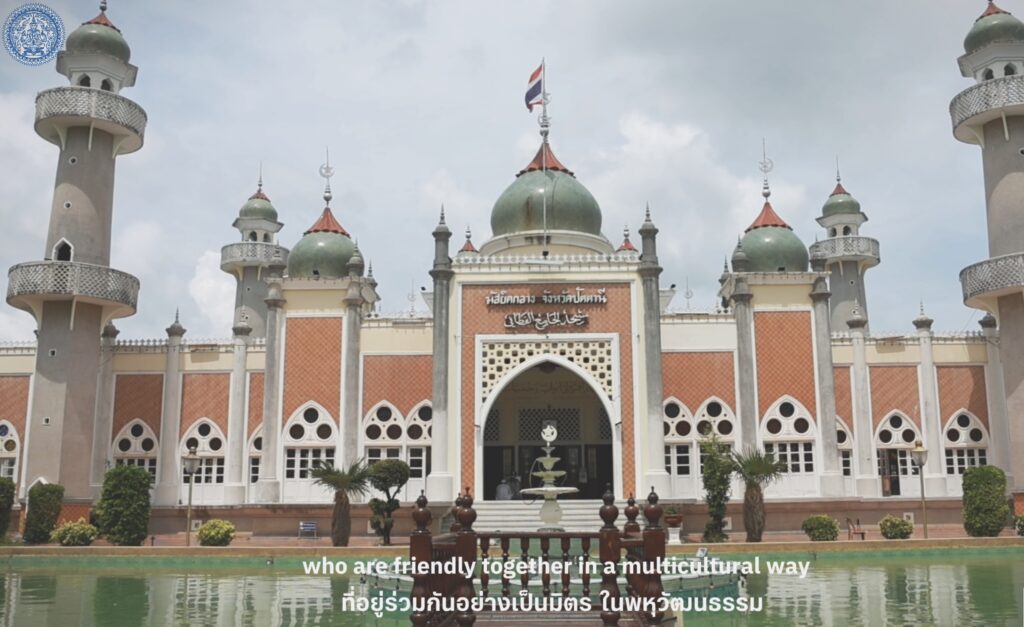
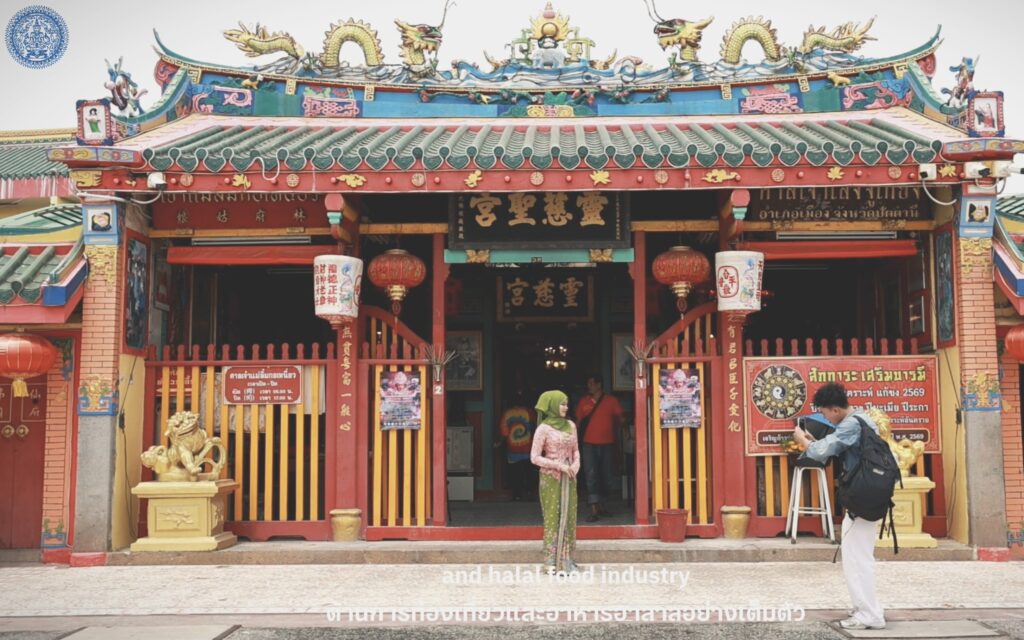
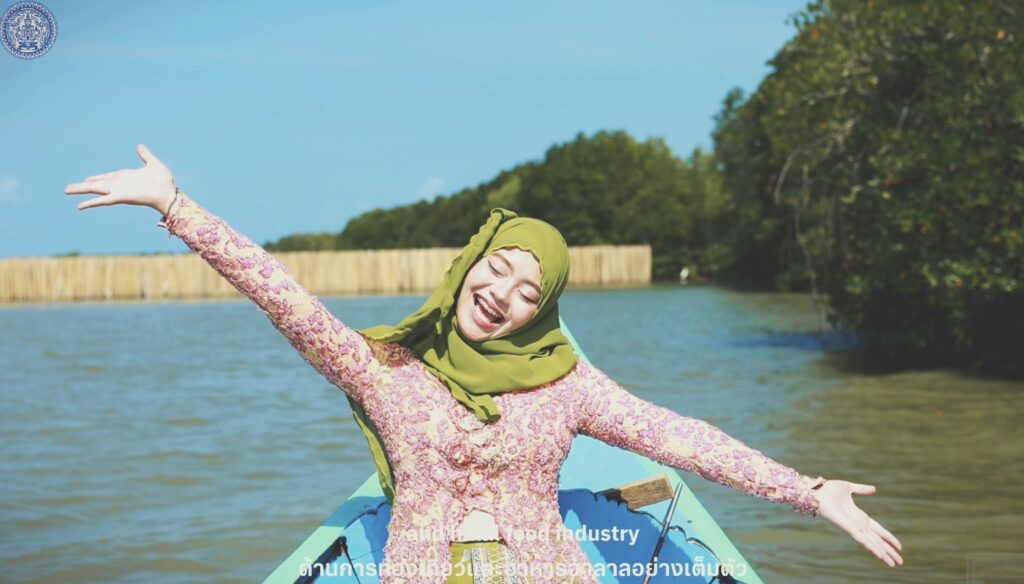
• SECOND RUNNER-UP: Mr. Nifaldi Haji Shamsudeen from Chiang Mai University, with a cash prize of 10,000 baht. This video stressed the harmonious co-existence of Buddhist-Islamic cultures in Chiang Mai, the capital of North Thailand, highlighting it as a nationwide characteristic, not just concentrated in the South and the vicinity of Bangkok.
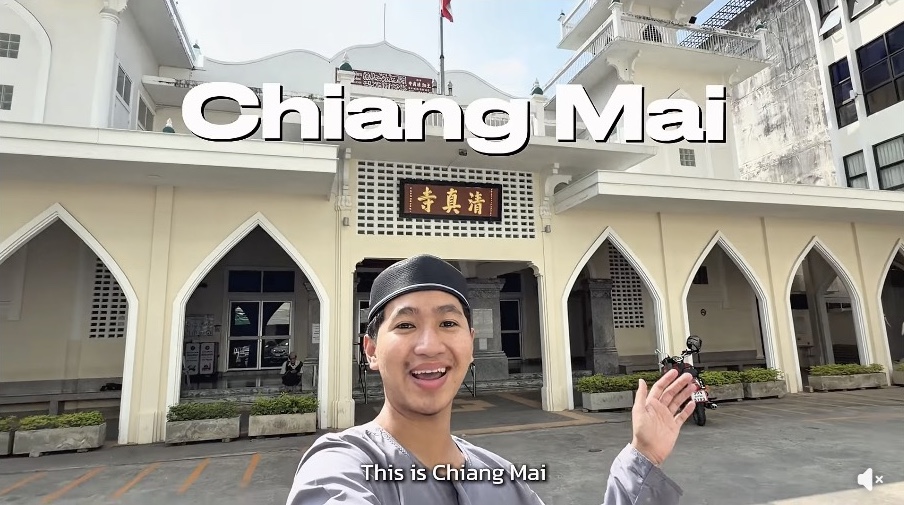
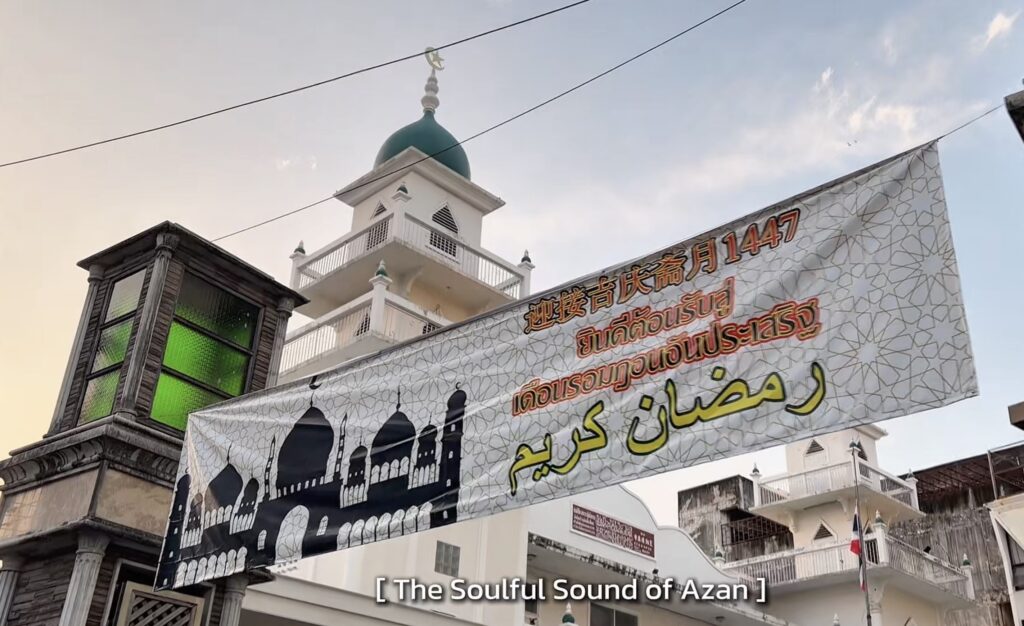
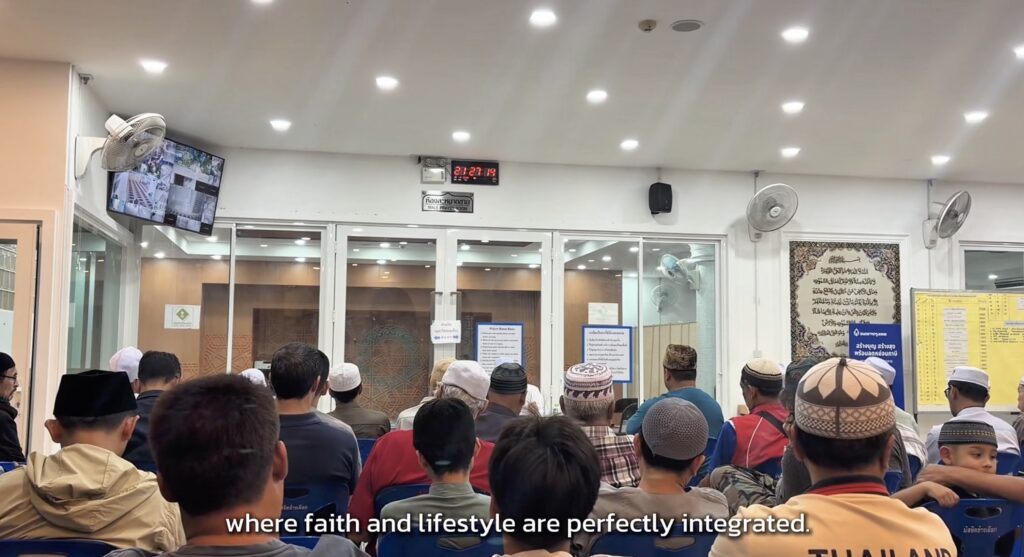
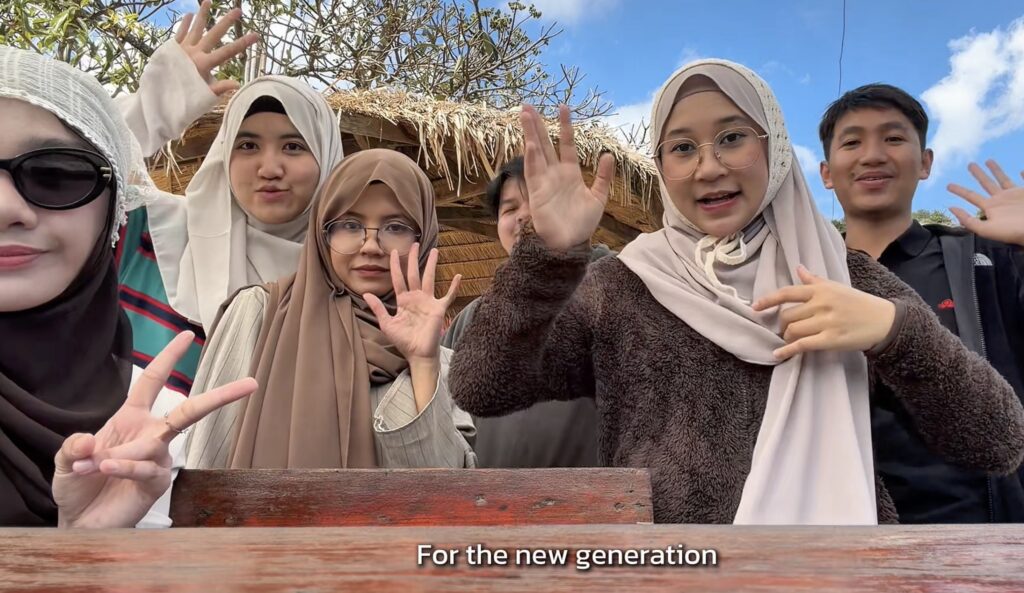
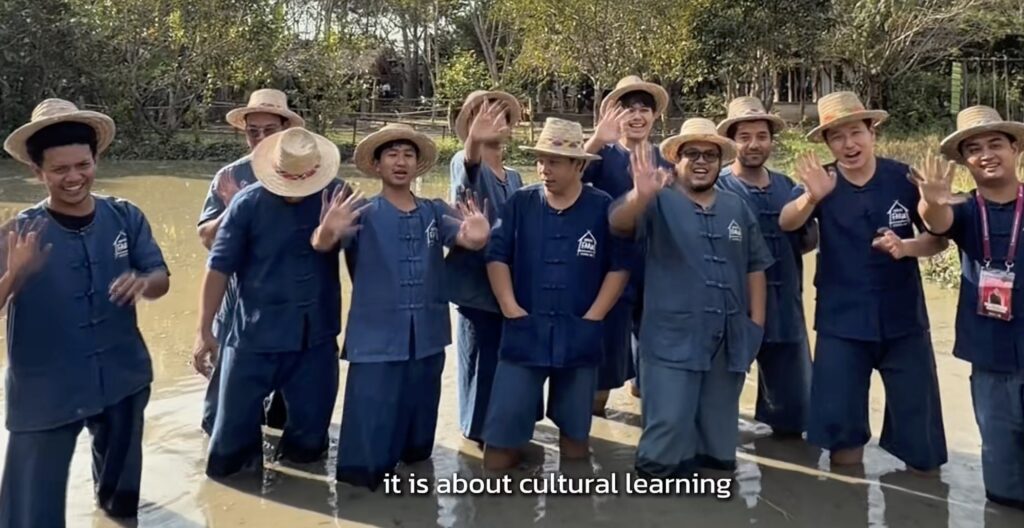
All three amazing works of art merge technological prowess with perfectly-matched production design and photography to convey a core message that being Thai and being Muslim are perfectly complementary. Released just as Thailand seeks to diversify its visitor sources in the aftermath of the Gulf crisis, the videos prove that powerful imagery generated at the grassroots of society can be far more effective than wasteful multimillion baht marketing campaigns featuring overpaid “stars.”
Mr Panidone said the Ministry will disseminate the winning video clips through its communication channels. The first-prize winners will be featured in a video clip produced by a renowned influencer, with the support of the Ministry.
Indeed, this was NOT just another awards ceremony.
To understand its real significance, Mr Panidone’s words — “promote greater understanding of Thailand as a multi-cultural society that values peaceful co-existence among people of diverse cultures, religions and beliefs” — must be placed in their correct, wider context.
His description of Thailand goes to the heart of what is broadly known as “sustainability.” However, the Thai Travel & Tourism establishment focusses primarily on the “natural” environment than the “cultural”, when in fact both are two legs of a single tourism torso. Just as no-one visits sullied, environmentally-degraded destinations, no-one visits violence and conflict-ridden destinations either.
The MFA project met the entire cross-section of policy objectives and commercial, national, regional and global development priorities.
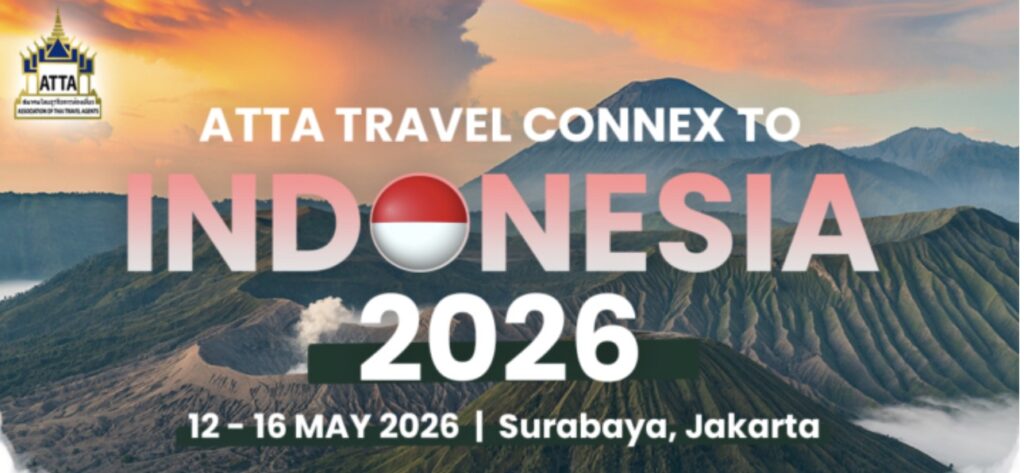
COMMERCIAL: Private companies need to understand the value of this project for nation-building and tourism development. Thailand is now trying to reduce the risk of overexposure to a small group of source-markets. The advantage of the Muslim market is that it is not concentrated in any one country but scattered across multiple countries globally. In mid-May, the Association of Thai Travel Agents is heading for Indonesia for a roadshow. Indonesia is a large-population, Muslim-majority country which has been neglected but is now being targetted as part of the tourism revival strategy. Moreover, Thailand is attracting redirected investments from the Gulf countries. The entire Thai halal ecosystem is also being promoted by Thai export-oriented businesses.
The award-winning videos are ready for use by all these stakeholders.
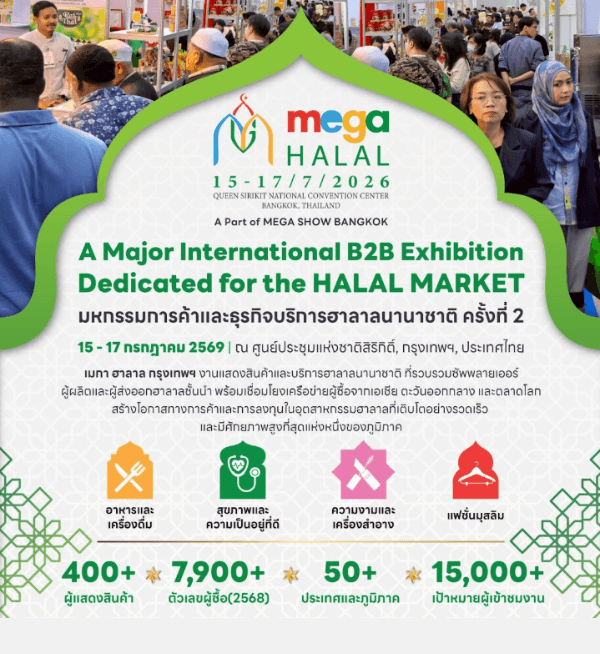
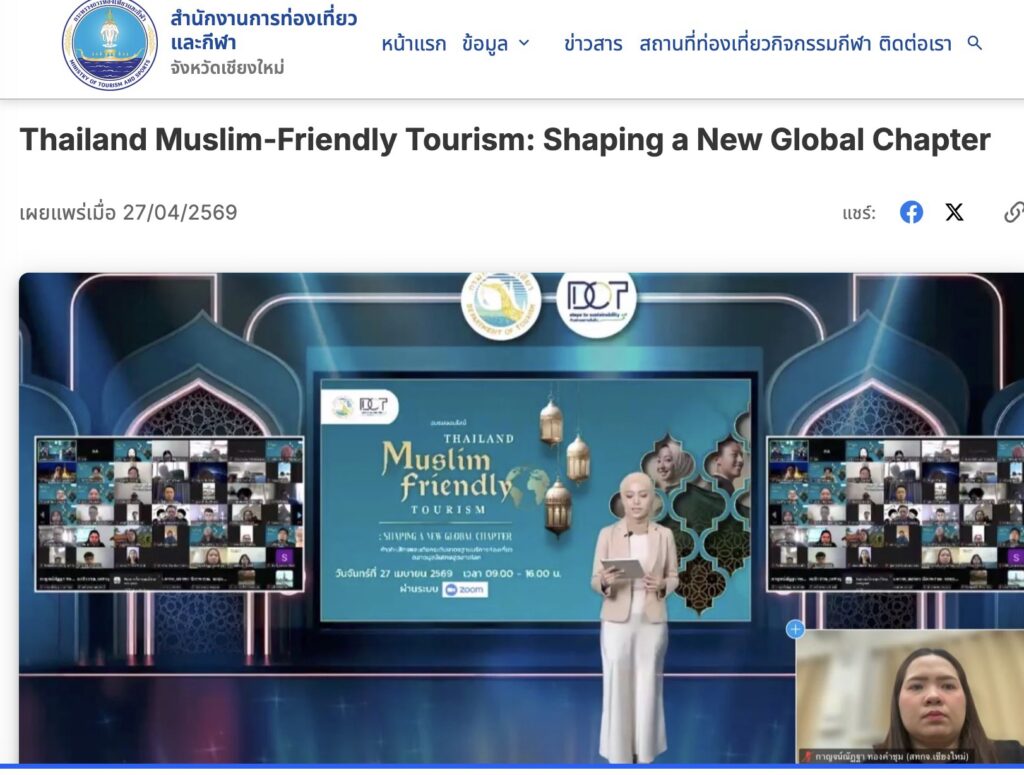
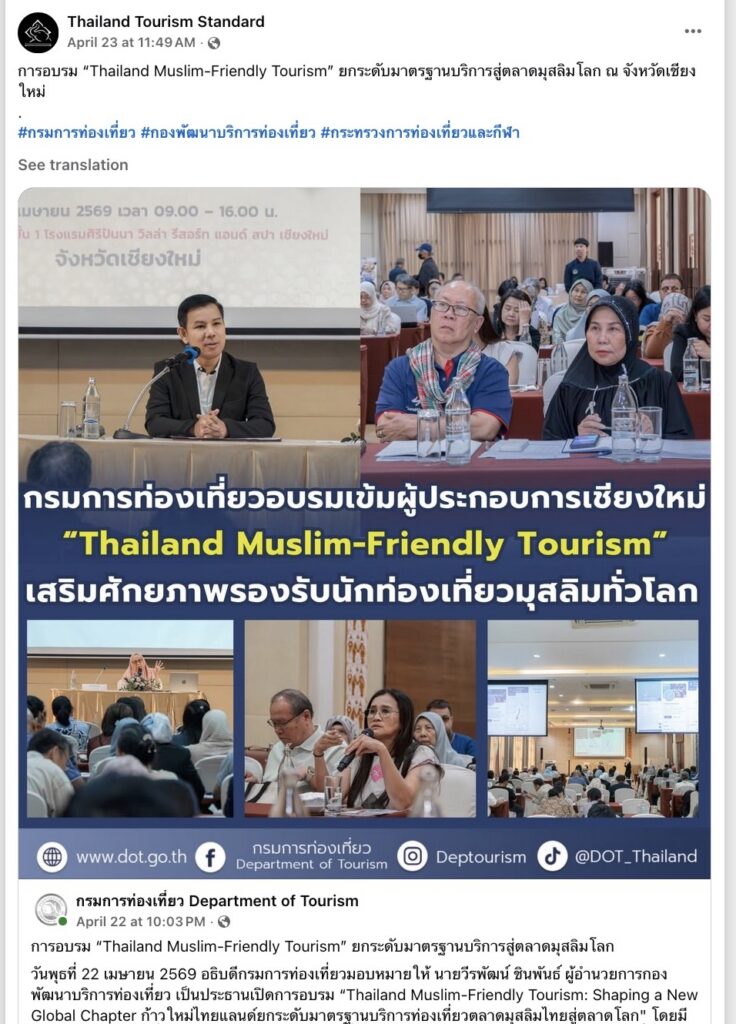
NATIONAL: It complements the Ministry of Tourism and Sport’s strategy on the same topic.
SOCIO-CULTURAL: The project strengthens the sense of national identity and belonging for the young generation of Thai-Muslims. Today, many can be seen gainfully employed in Thai hospitals catering to the high-income clients from the Middle East, in airports, department stores and restaurants. They also comprise a large percentage of the workforce in the Southern Thai resorts.
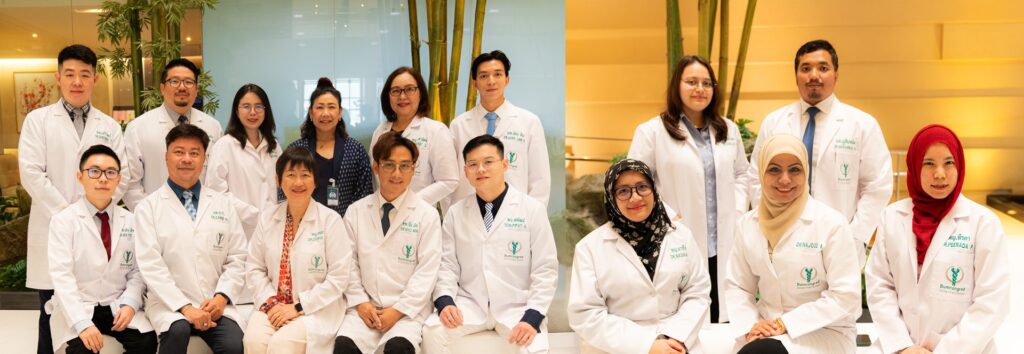
Picture source: Bumrungrad hospital website
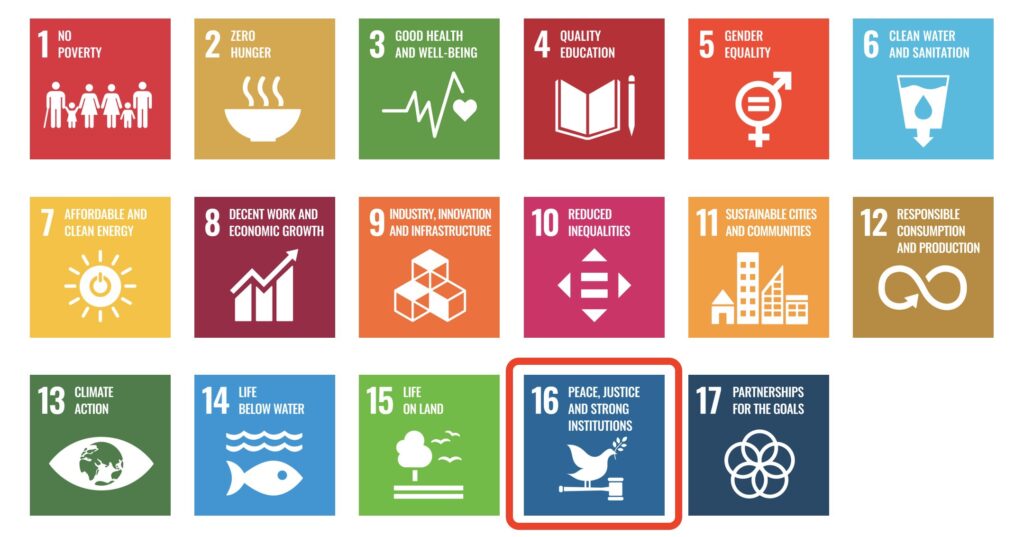
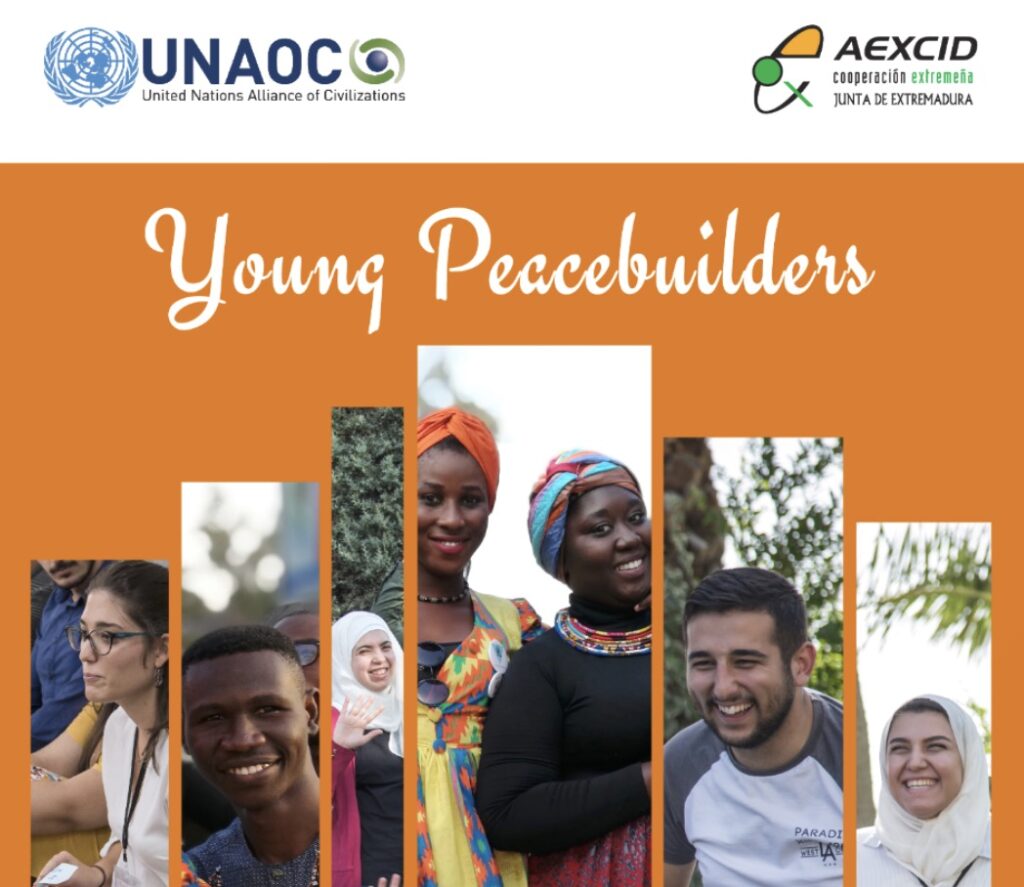
GLOBAL: Promoting peaceful, inclusive societies is the overarching objective of the UN Sustainable Development Goals, especially UNSDG# 16. The MFA project does that. It also supports the Alliance of Civilisations, another UN activity which unfortunately does not get much traction in Travel & Tourism forums.
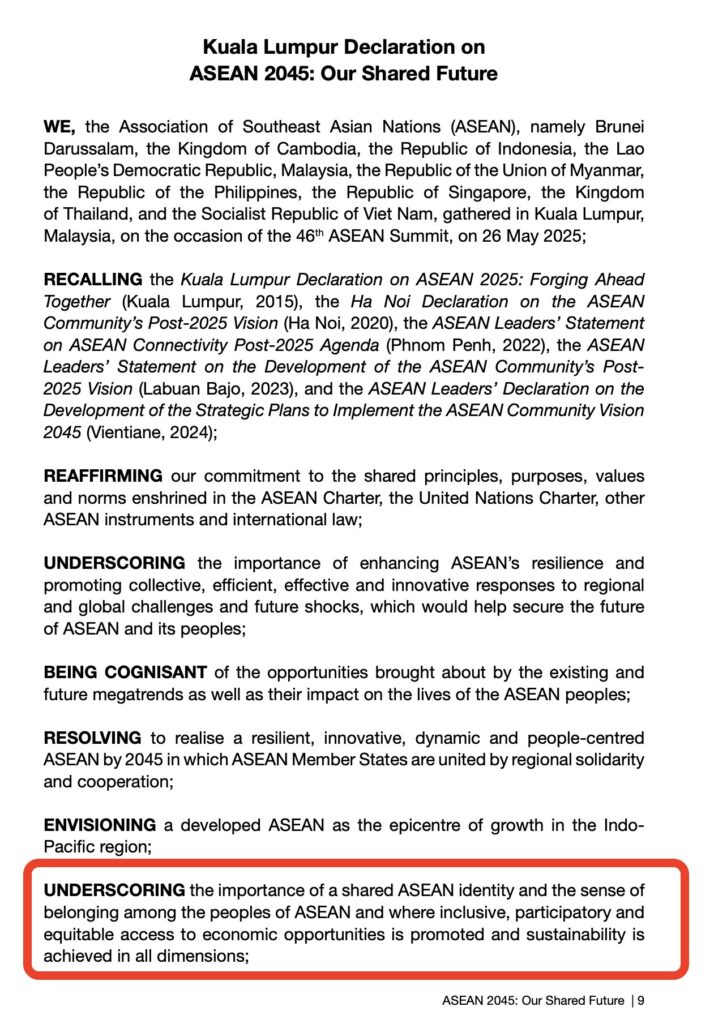
REGIONAL: Entirely in line with the goals of ASEAN integration, the project also sends a clear message to neighbouring Myanmar about the vast difference in the way the two neighbouring Buddhist-majority countries treat their minority populations. The following objective of the recently-approved ASEAN charter speaks for itself:
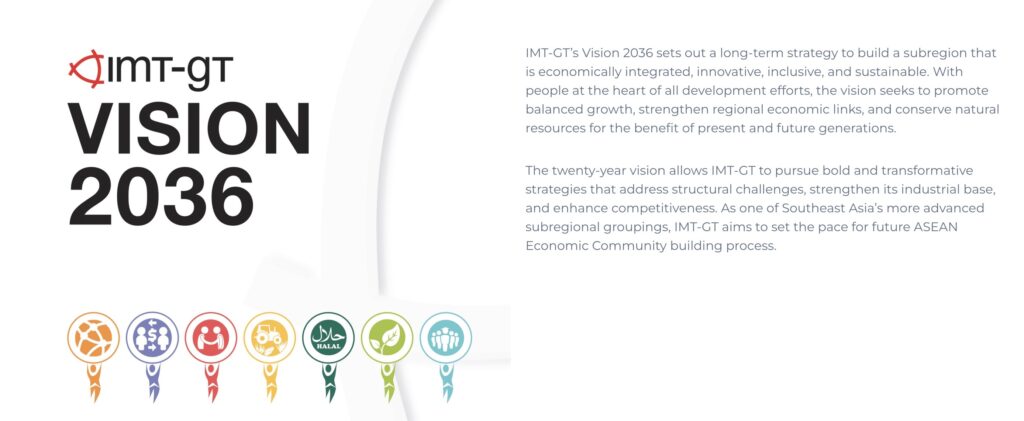
SUB-REGIONAL: The IMT-GT agenda of the Indonesia-Malaysia-Thailand Growth Triangle also speaks for itself.
Conclusion
In this day and age of conflict-dominated polycrises, the videos highlight the need for Thai tourism to redefine “sustainability” and start safeguarding socio-cultural harmony with the same zeal as safeguarding natural harmony. Socio-cultural disruption can be traced back to religious and political extremists. Identifying and neutralising them must become a priority agenda item for Travel & Tourism if it wishes to regain a semblance of stability.