17 Jul 2026
Ex-FBI agent reveals: “Why do fugitives go to Thailand”
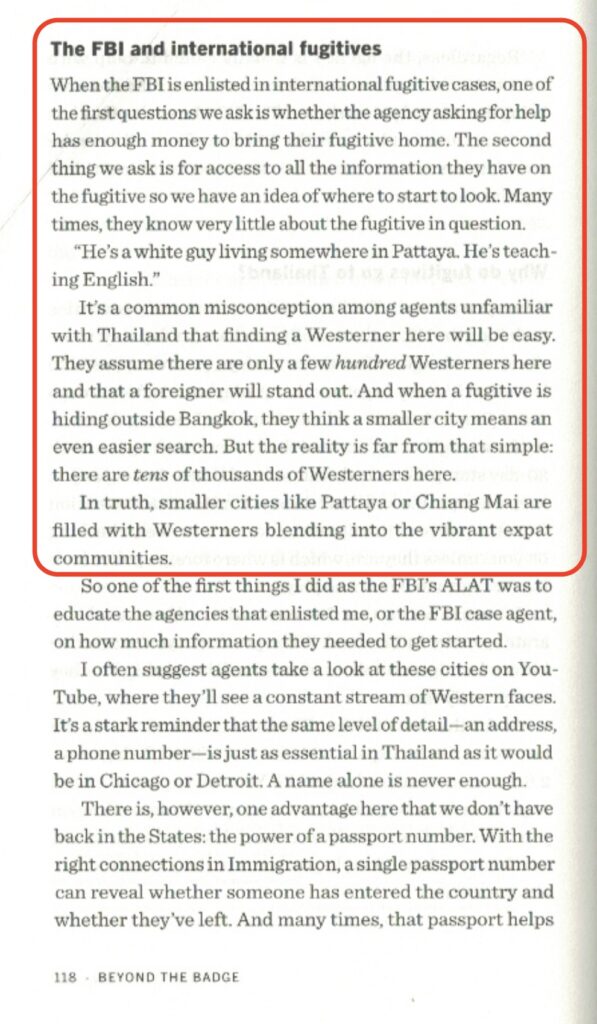
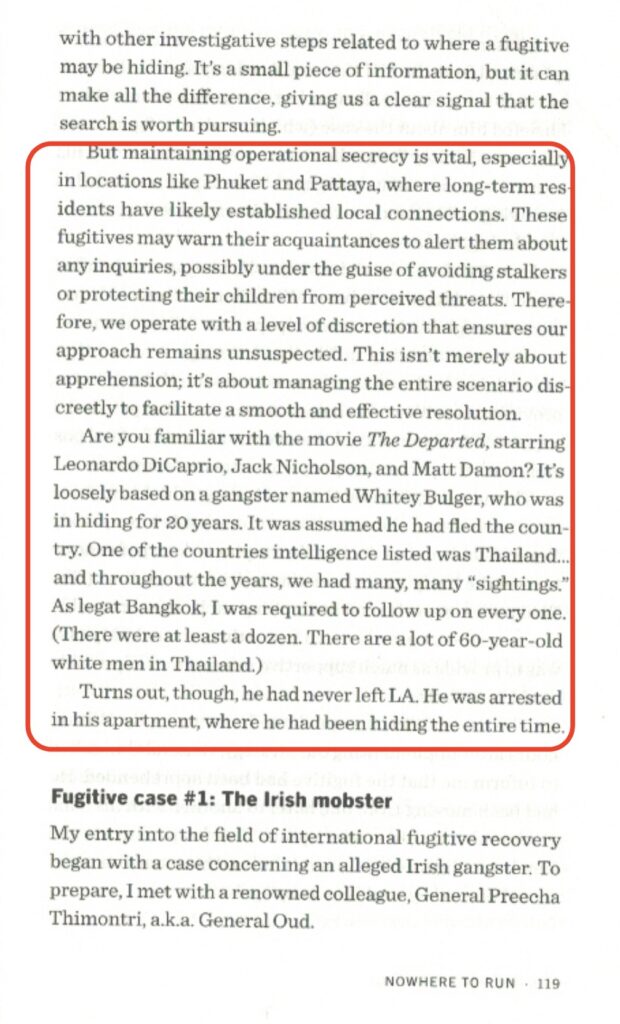
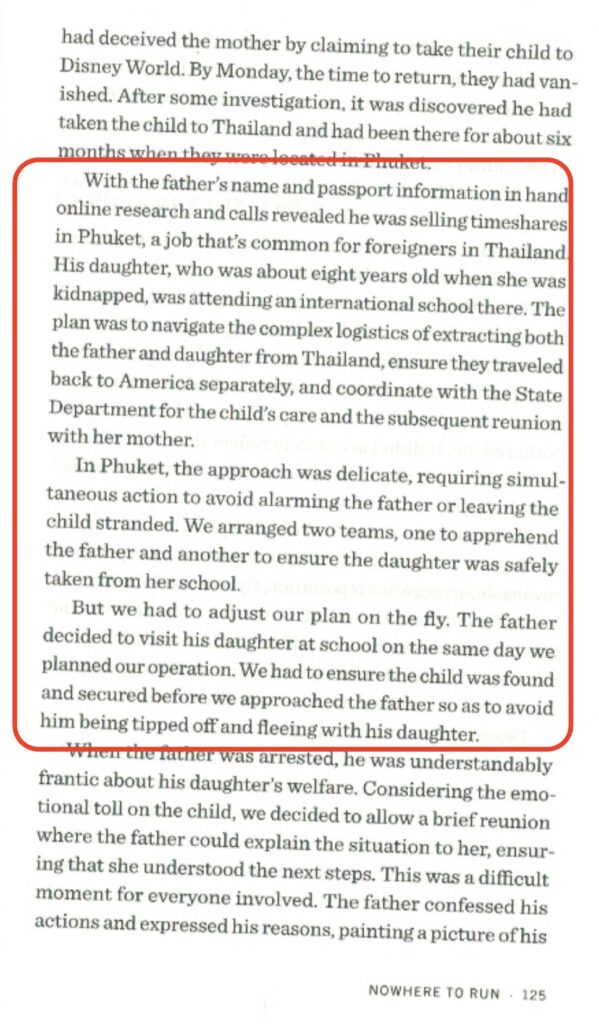
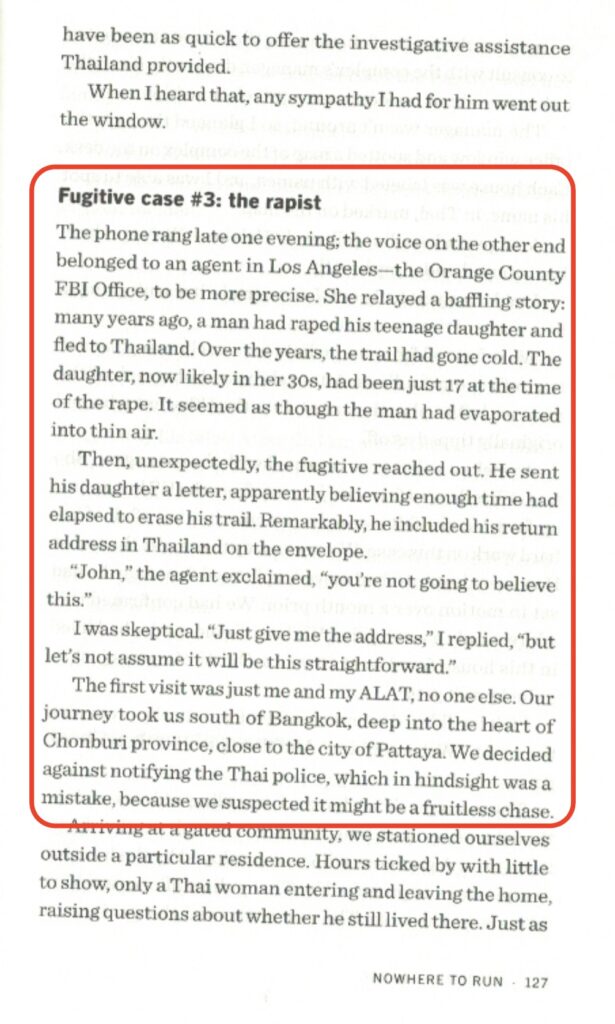
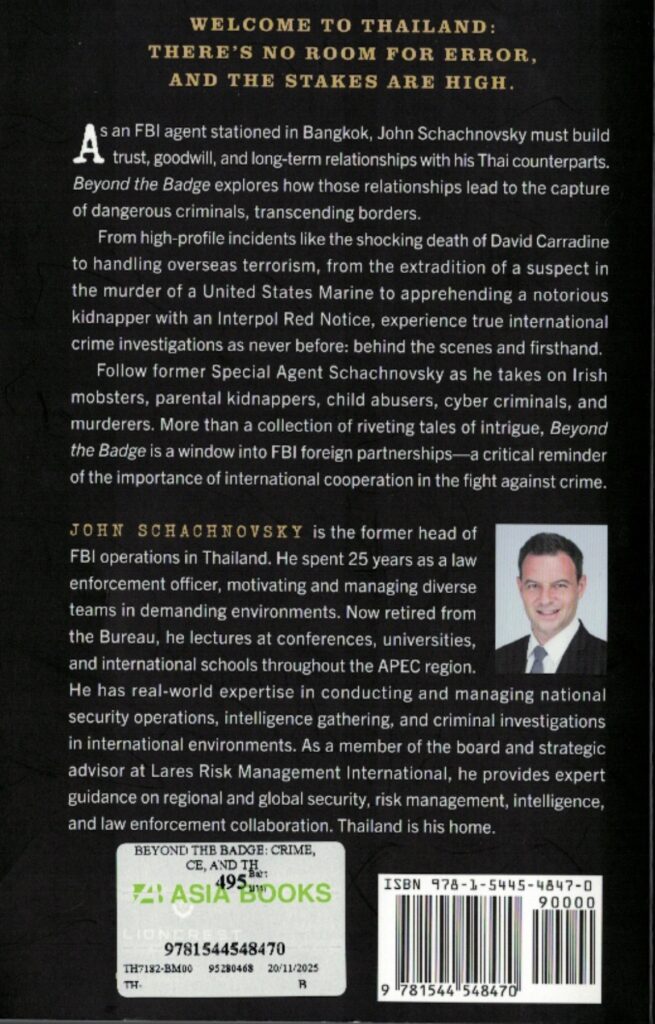
Bangkok — The revamping of the visitor visas and crackdown on nominee companies are a part of the Thai government’s efforts to rebalance the positive benefits of tourism vis a vis the negative impact on national security. A book by former FBI agent John Schachnovsky published in December 2025 reveals one reason for this move.
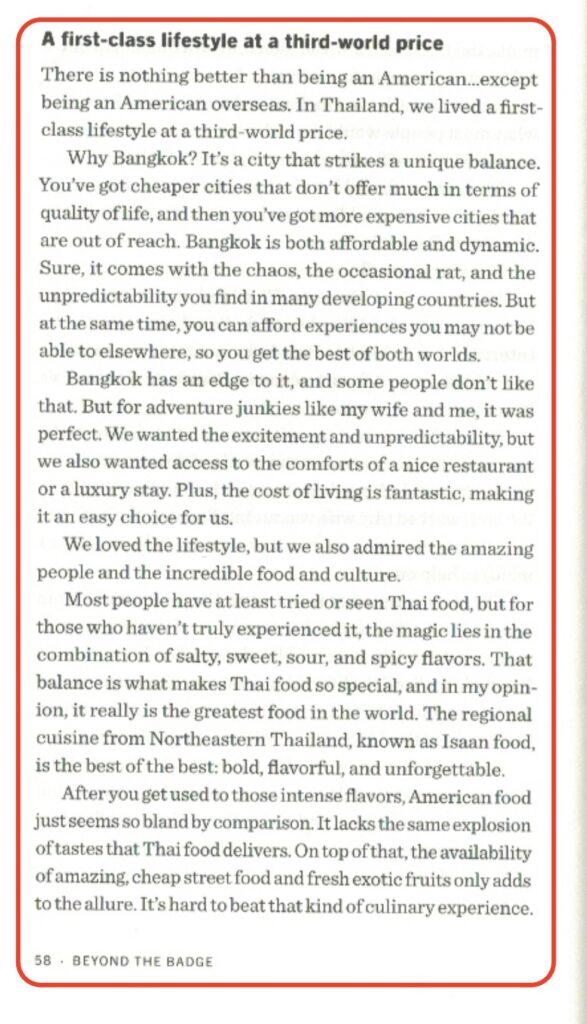
Designed as a post-retirement memoir about his 10 years (2008-2019) in Thailand, Agent Schachnovsky’s book, “Beyond the Badge””, has one section headlined “Why do fugitives go to Thailand.” Answer: Lax visitor entry and law enforcement, plus the fact that Thailand is just a nice place to live, as openly advertised in the tourism campaigns.
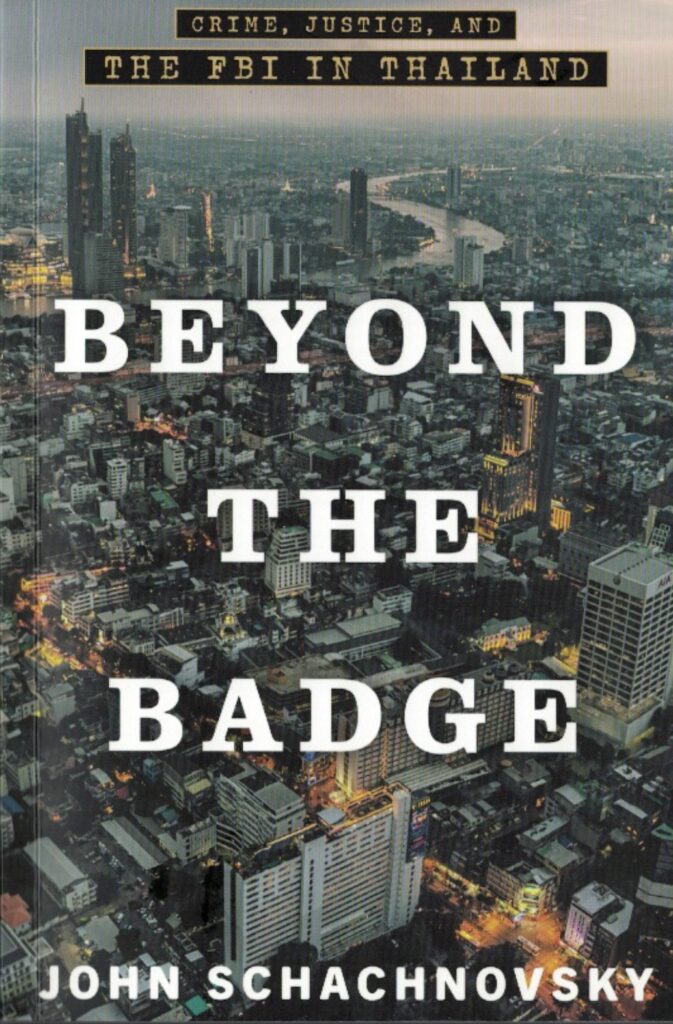
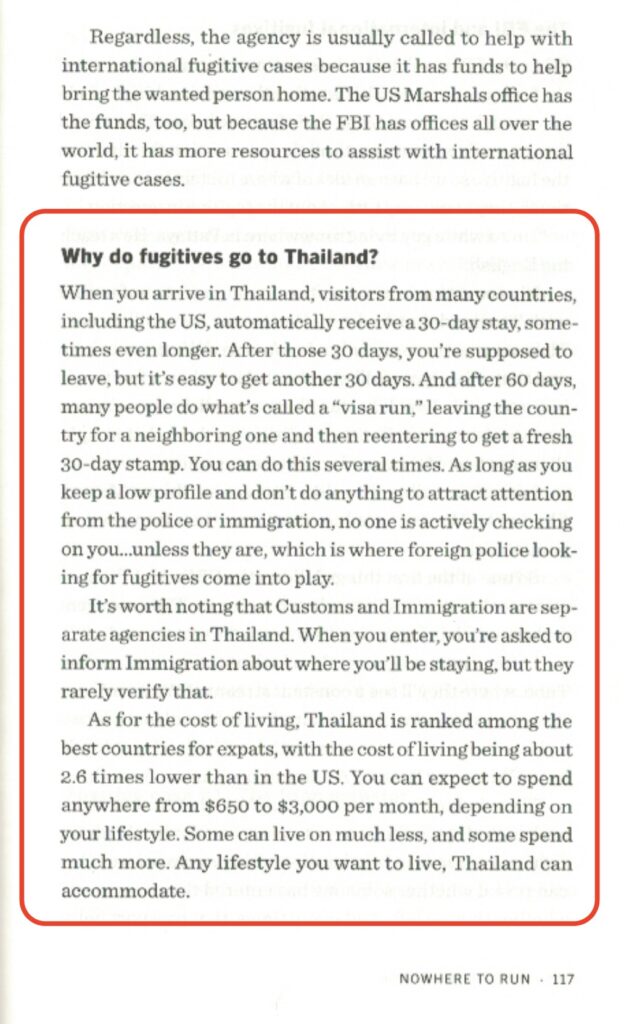
This book is an anecdotal journey through some very serious issues — how the FBI works with Thai, regional and global law enforcement agencies to track down murderers, terrorists, drug runners, scammers, child-sex offenders, human traffickers, organised crime syndicates, counterfeiters, cybercrime fraudsters and worse. Apparently, quite a few of them are well settled in Thailand, especially Pattaya and Phuket, which are mentioned a number of times.
The bottomline is that fugitives — be they Americans, Russians, Chinese, Europeans, Israelis, Indians — think they can get away with it.
The Thai Government is now saying that will no longer be the case.
During his tenure, Agent Schachnovsky was involved some high-profile cases — the June 2009 suicide of Hollywood movie star David Carradine, the attempted assassination of Israeli diplomats in Feb 2012, the Aug 2015 bombing of the Erawan Shrine, etc After retirement in Thailand, he was also brought in to help with the investigation of the July 2024 poisoning at the Grand Hyatt Erawan.
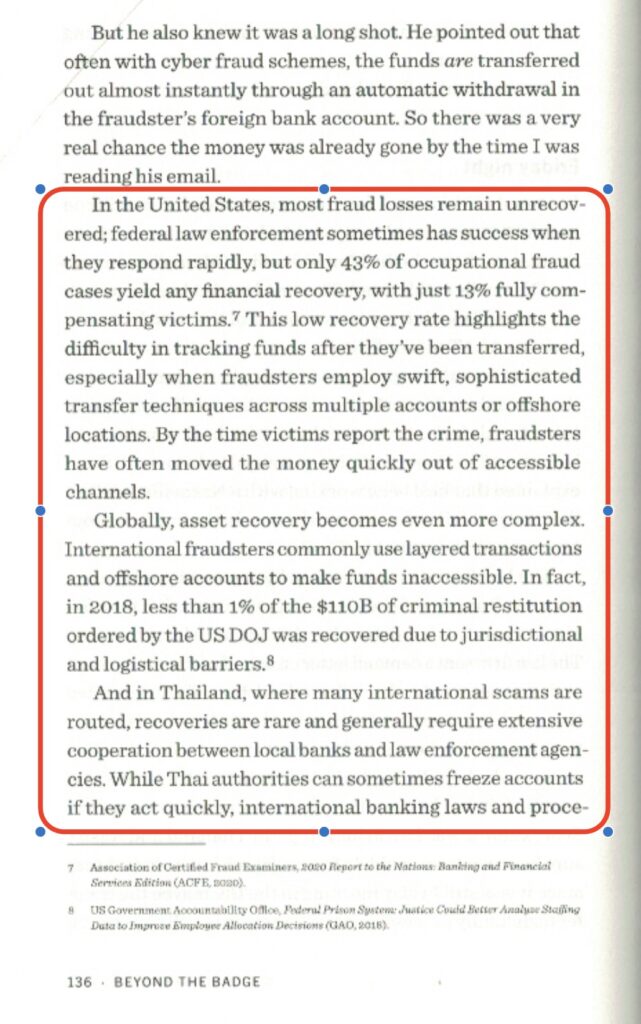
Investigating these cases is no cakewalk. Enforcement agencies are up against formidable forces — a global network which is getting incredibly complex, influential and powerful people, suffocating bureaucracies and the advent of technology, with no guarantee that anyone will be convicted. To track down a single criminal takes years of work. Going through the legal process of getting them arrested and extradited is even worse. One entire chapter is devoted to white collar crime, and the complexities of the international banking and financial system.
The book outlines the modus operandi of how these suspects are tracked down, arrested and repatriated. The enforcement agents work round-the-clock, dealing with life-threatening situations and regulatory environments which vary from country to country.
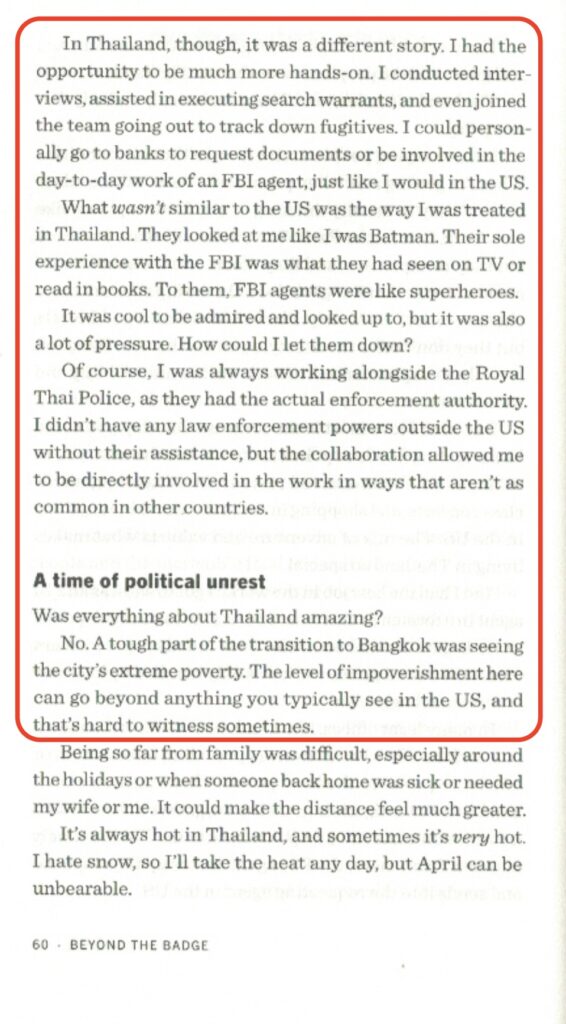
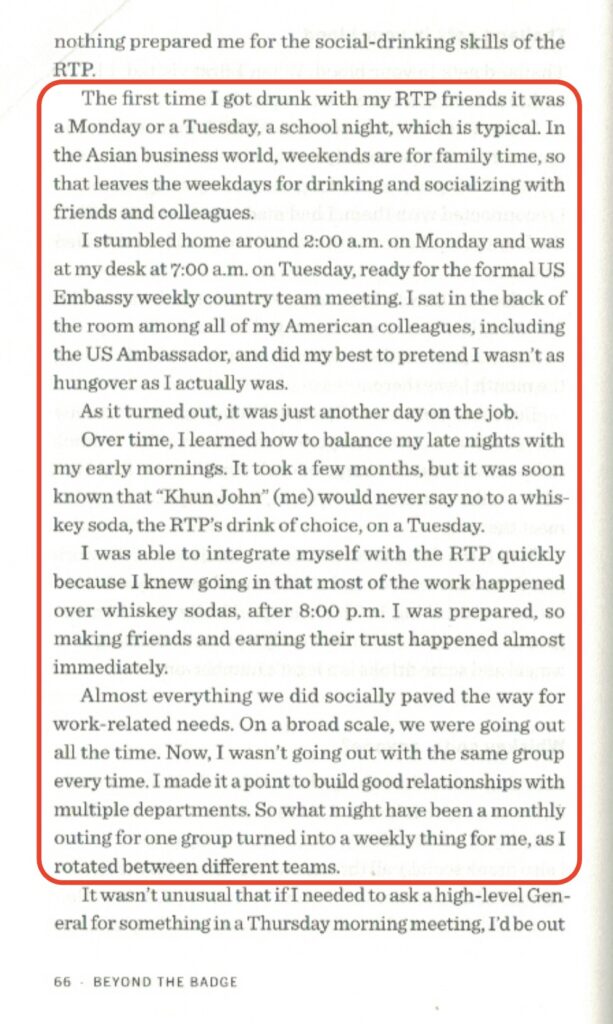
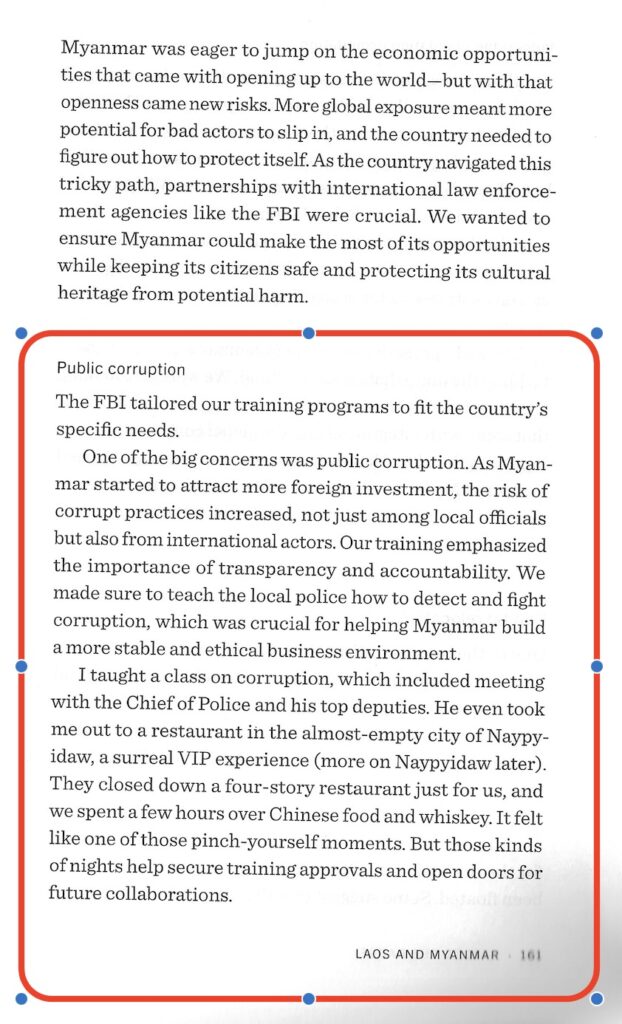
Coordination with the Thai security agencies is absolutely crucial. Agent Schachnovsky paints the Royal Thai Police as committed professionals, but also acknowledges the weaknesses. He notes the importance of accommodating Thai culture — the need to avoid loss of face, the camaraderie that develops over rounds of drinks, learning the language, cultivating personal relationships.
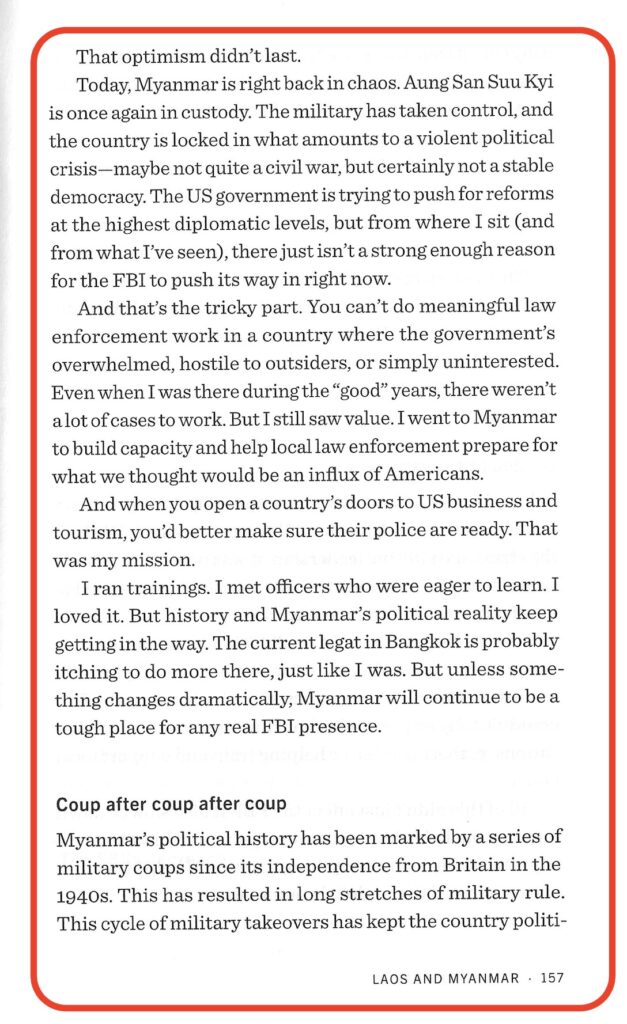
The transnational nature of crime syndicates means borders no longer mean anything. if one country tightens up, figutives simply move to another. Agent Schachnovsky discusses the situation in Laos and specifically Myanmar, which he says can be a particular challenge because of the military government there.
He does not say what the compensation levels are but it does not take much to see how easily people sitting on so much “inside knowledge” could fall victim to corruption or any other personal temptations.
He says he often worked from 0700 to late at night. That can take a toll on his private life but was made easier because his wife herself is an ex-Drug Enforcement Agency operative. He says his son only began to appreciate what he was doing after watching movies with FBI heroes. After reading the book, so did I.
Now a security consultant with a major company, Agent Schachnovsky gives talks, especially at universities and schools to teach the young generation on the need to avoid risky behaviour such as drug use and underage drinking. This, he says, is because he loved his job and wants to continue to make a difference.
Written like a personal diary, it adds a human touch to what is regularly seen on the news channels. At just 200 pages, it could easily be read in one sitting.
Perhaps the best reason for reading the book is this episode:
Police in Brazil working with the FBI to track down a gang producing counterfeit passports for terrorists raided a house and seized a cache of computers and documents. One of the passports was Syrian. Writes Agent Schachnovsky, “After further investigation, they discovered that the individual with this passport was on the roster of a Thai professional soccer team.”
How come? You know what to do next….
In January 2026, Agent Schachnovsky also spoke at the Foreign Correspondents Club of Thailand. The event can be watched here:
https://www.youtube.com/watch?v=jum41m088aA
Here are a few excerpts: