
8 Sep 2025
Reviving the crippled Travel & Tourism sector after the Thai-Cambodian conflict
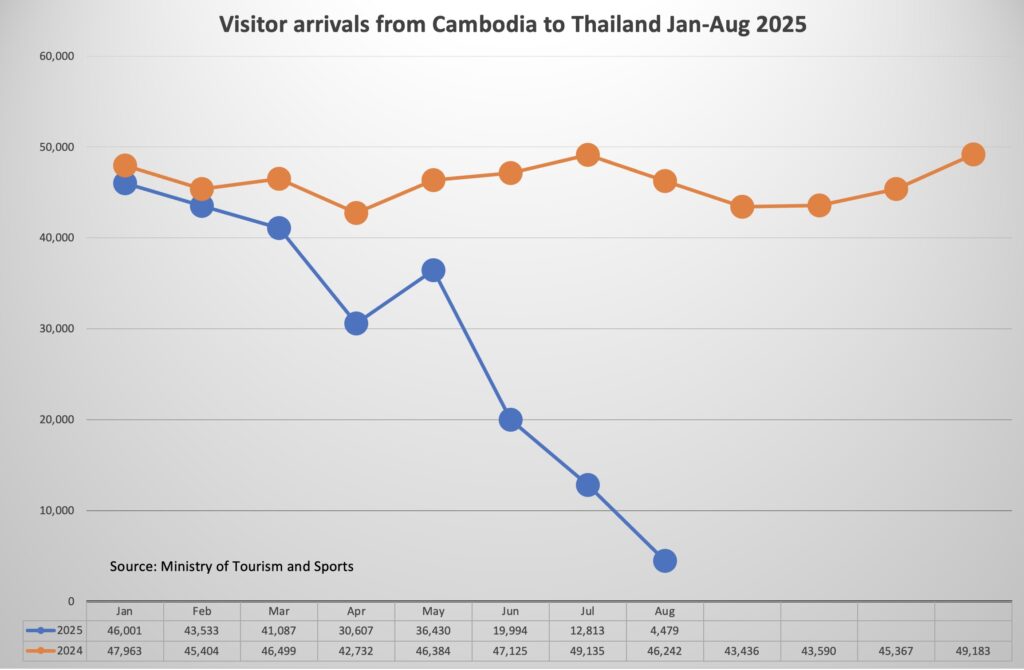
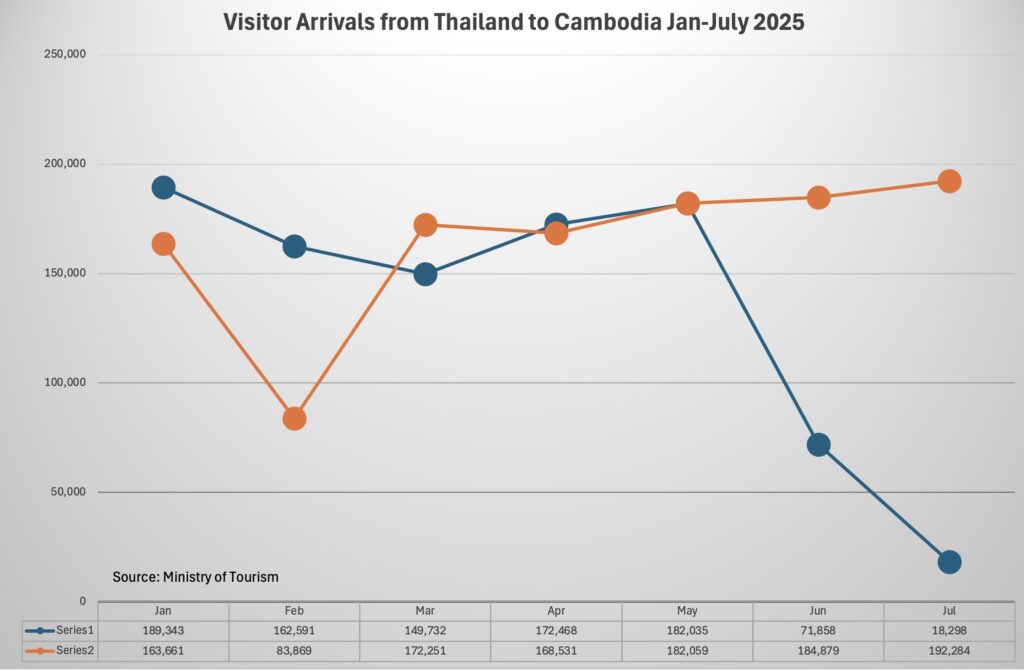
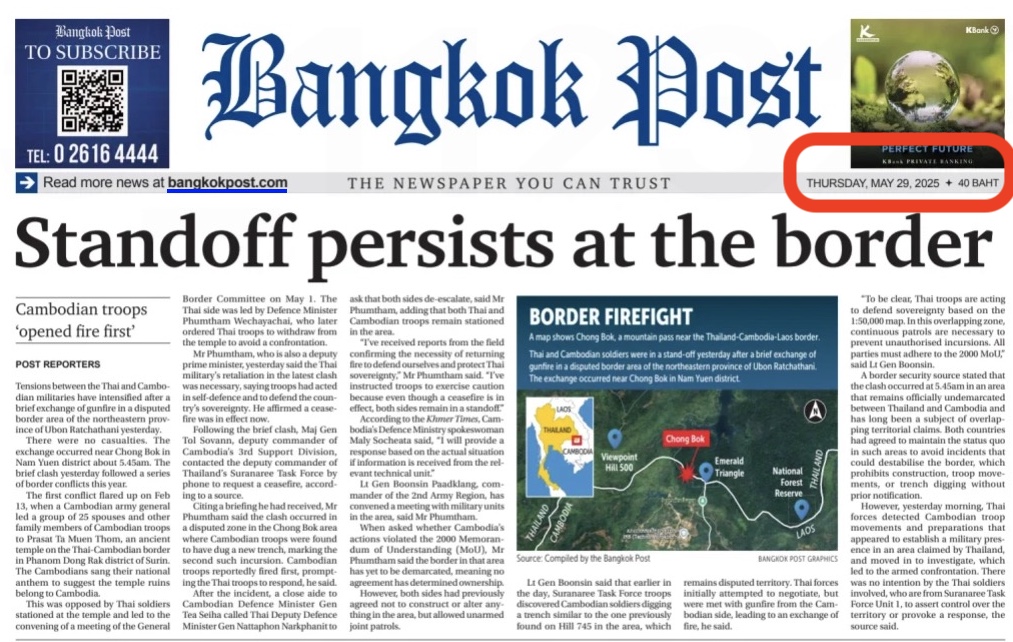
Bangkok — The devastating tourism impact of the Thai-Cambodian conflict which began on May 28 is now directly measurable in terms of visitor arrivals. As the charts below show, both countries took a significant hit. The correlation between a political crisis and tourism downturn is now indisputable.
That’s not all. The conflict undermined everything the two countries hold sacred (at least on paper) — their culture and heritage, their shared history and societal values, their political, economic and diplomatic ties, their joint tourism, transportation and connectivity potential. How they went from ploughshares to swords is worth studying in copious detail if Travel & Tourism is to walk the talk of being an industry of peace, and preventing/pre-empting the next crises.
As is always the case, when the conflict erupted, the crucial overland borders were the first to be shut, which immediately impacted bilateral travel.
In Thailand, the collapse in Cambodian visitors worsened the ongoing slowdown in arrivals, even though it may appear insignificant in the big-picture context. Cambodians comprised only 1.5% of the total arrivals to Thailand in Jan-Aug 2025. Not measurable is the indirect impact: How many people may have intended to visit Thailand but been scared off by the headlines. Anecdotal evidence of that existed but there is no way of quantifying it.
On the other hand, Cambodia has been severely affected, mainly because Thais comprise the largest market share (33% in May 2025) of its overall arrivals. The Cambodian economic policymakers will no doubt be analysing the impact in terms of jobs, income and livelihoods.
Was the conflict worth it? Who benefitted? What about those who lost loved ones or were maimed/injured?
Most importantly: What lessons can be learned about the future of the entire Asia-Pacific, especially the Travel & Tourism sector?
The precise reason for the conflict still remains unclear. Officially, it is being touted as a territorial dispute. In the background, multiple theories and conspiracy theories abound ranging from a personal feud between two family political dynasties, soured business deals over offshore oil & gas deposits and a few others which are beyond the scope of this article.
An initial round of fist-shaking over historic claims to disputed territory, complete with maps, agreements and treaties, along with threats of legal action, then exploded into firepower, lasting less than a week but claiming dozens of lives and causing millions of dollars worth of damage in areas where the vast majority of people are still in the low-income category.
Border-crossings then slammed shut. Ordinary people working in multiple economic sectors in both countries, including migrant Cambodian workers in Thailand and Thai white-collar executives in Cambodia, found themselves facing irrational hostility. Military and diplomatic personnel on both sides exchanged accusations and rebuttals, both claiming to be presenting “the truthful version” of events.
Even though the impact on visitor arrivals is now more than clear, the real damage was a lot deeper.
[] Both countries share a Buddhist heritage which influence every aspect of their people’s lives. Most of Thailand’s Northeast region is dotted with Khmer temples. Both are monarchies with royal families which are still revered and held in high esteem as a unifying force for their societies. Clearly, this spiritual and institutional heritage proved to be of no consequence when the war-drums begin to beat.
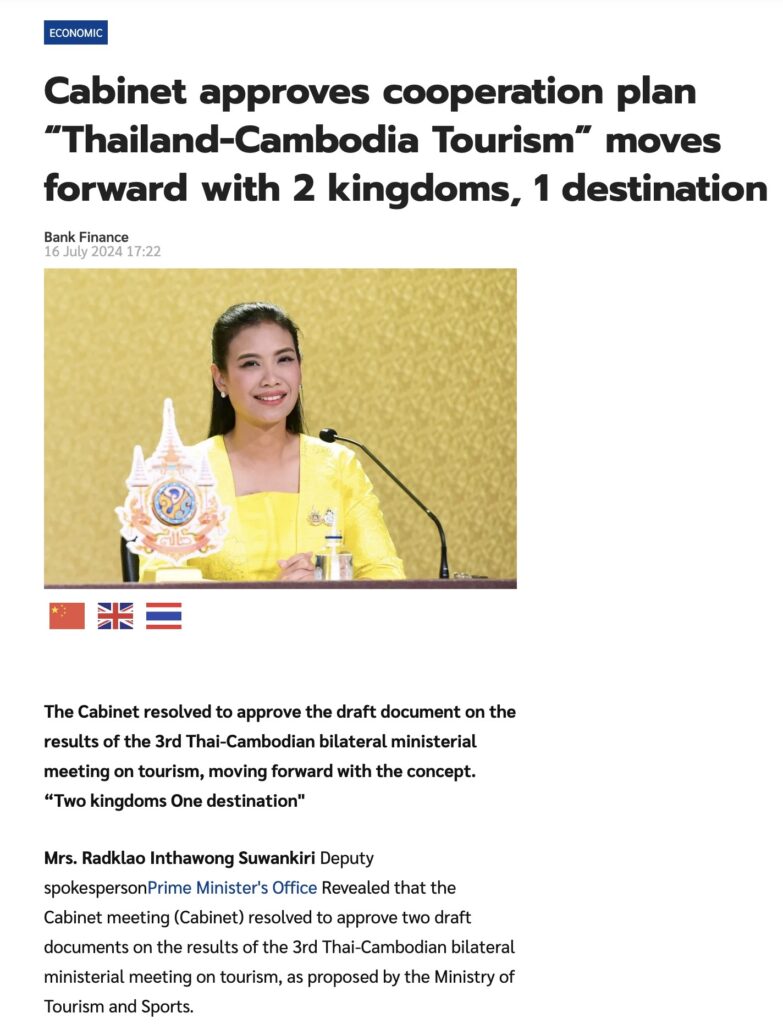
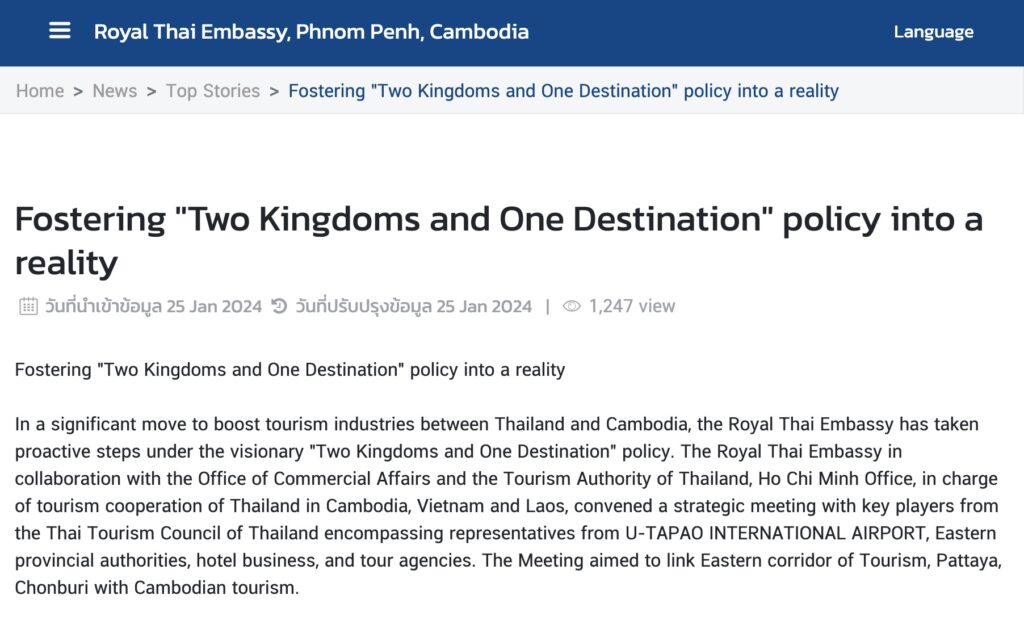
[] Bilaterally, both countries are connected by road, rail, river, air and sea. They were working on a number of joint projects to strengthen trade, tourism and people-to-people contacts. A joint tourism programme under the banner of “Two Kingdoms One Destination” was launched in 2024. There was enormous potential for road travel extending all the way to Vietnam, which would further cement Thailand’s role as a regional transportation and connectivity hub. All is now on hold.
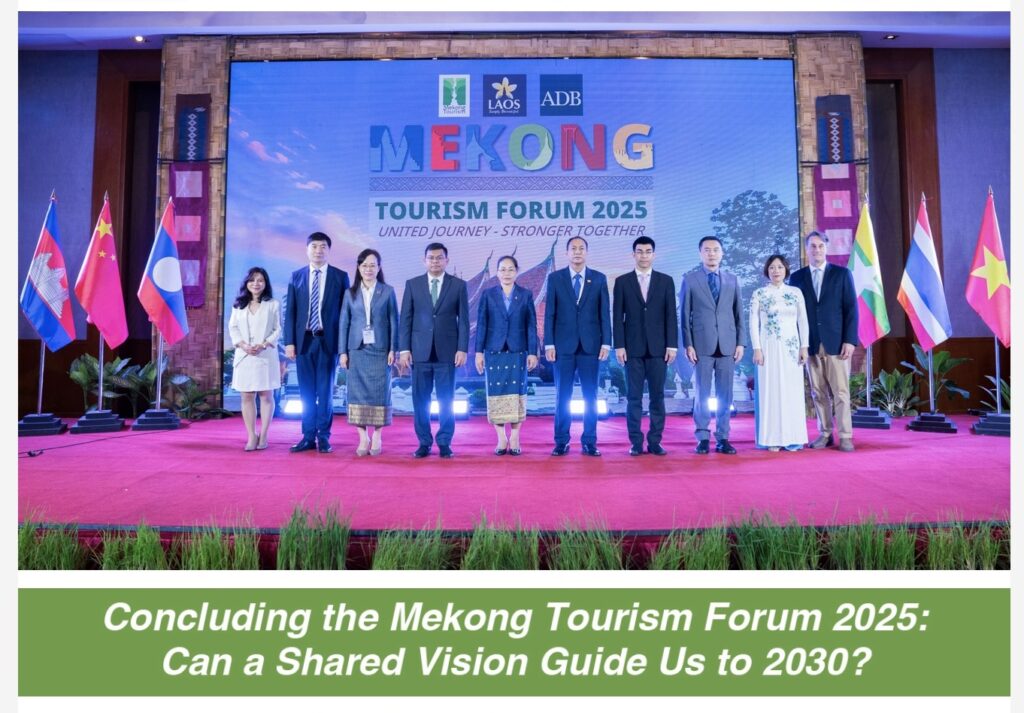
[] The two countries are united by the mighty Mekong river, referred to as a “Mother” for its role in sustaining and nourishing livelihoods for centuries, a critical part of the entire Southeast Asian ecosystem. The river is now facing serious ecological challenges thanks to climate change, industrialisation and the construction of upriver dams by the Chinese. A new Mekong Tourism Strategy 2030 has just been unveiled. How will all this be impacted going forward?
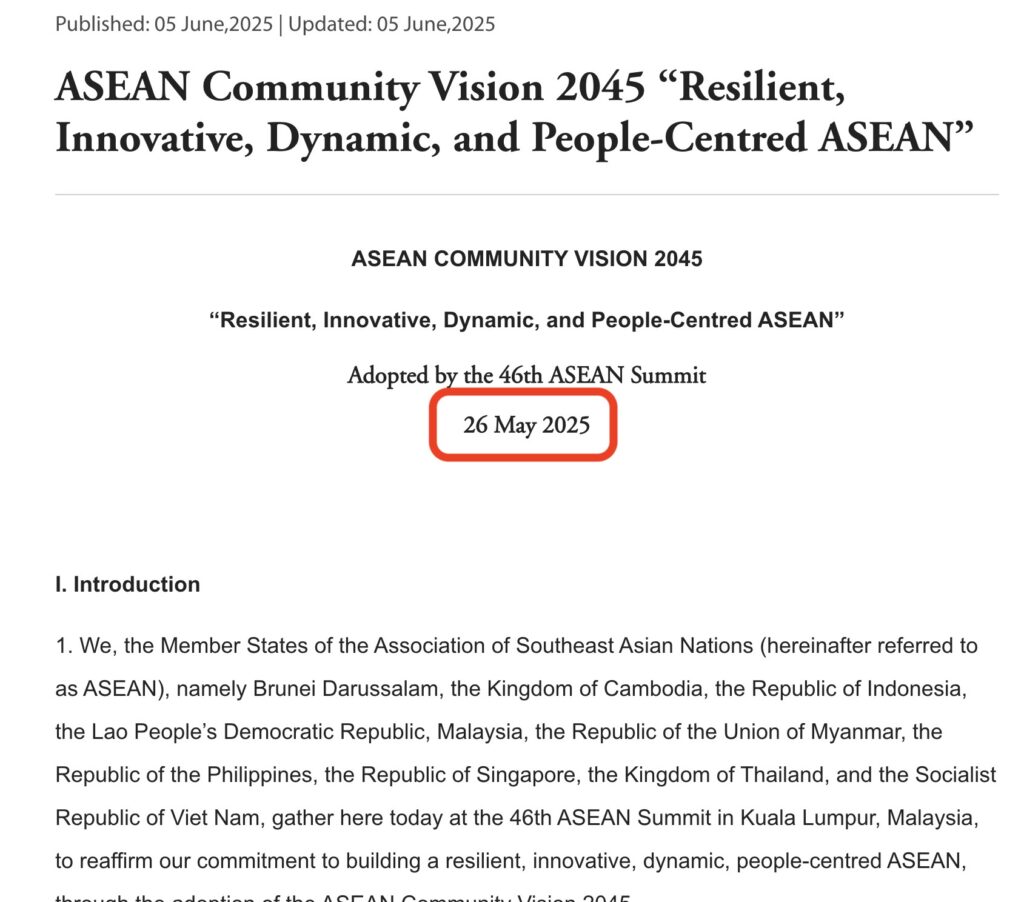
[] Both countries are members of ASEAN which has just signed off on a new “ASEAN Community Vision 2045” which envisages the creation of a “Resilient, Innovative, Dynamic, and People-Centred ASEAN”. The credibility of that entire document took a hit just 48 hours after it was adopted at an ASEAN summit on May 26. More lofty declarations will be issued at the 47th ASEAN summit in Kuala Lumpur between Oct 26-28, stressing the now diminished role of ASEAN “centrality” in the global world order.
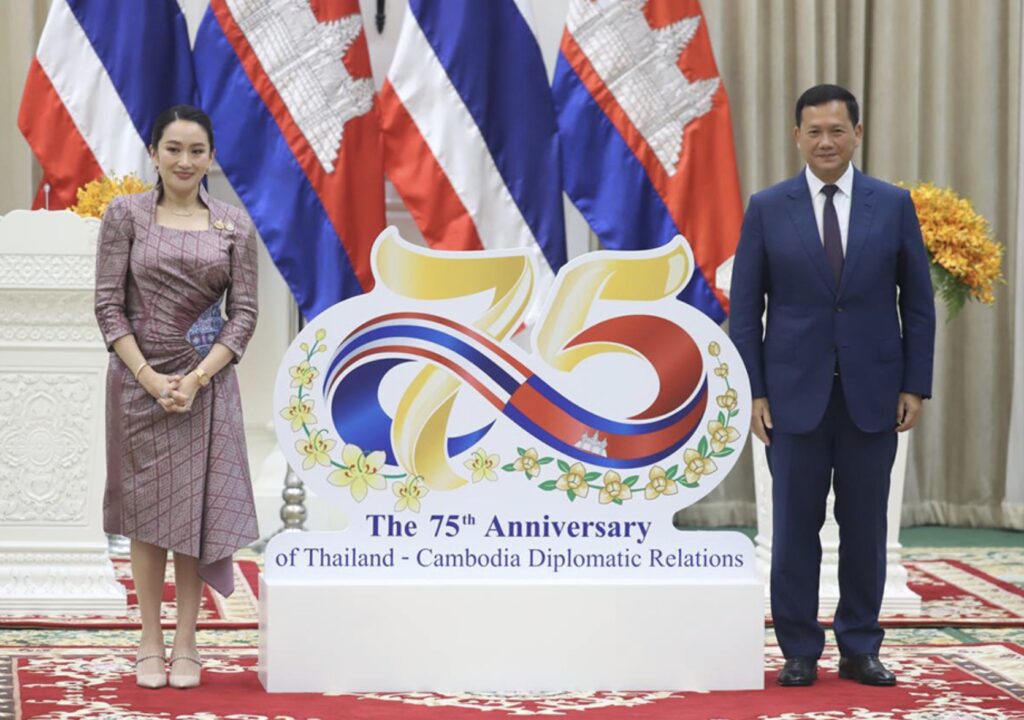
[] This year also marks the 75th anniversary of the two countries establishing diplomatic relations. Many activities were planned to celebrate the event. All down the drain.
[] Thailand has a lot to lose. Cambodia is on its eastern border. An unresolved conflict there will worsen the economic consequences of the other internal conflict within Myanmar, which is on Thailand’s western border. That, plus the low-grade conflict in Thailand’s southern border provinces, will mean that three of Thailand’s four overland borders are on dicey ground. That poses a significant risk to national security as well as to the future of travel to, within and through the entire ASEAN region.
[] The role of social media networks is now in sharp focus. In the early stages, diplomats of both countries tried frantically to prevent an escalation. But it did not take long for the dam to burst under the pressure of social media megaphones blaring virulent jingoism, militarism and nationalism. The conflict proved how even otherwise sane, well-educated populations can be whipped up into a frenzy of violence in societies which claim to be home to peaceful, hospitable, gentle, mild-mannered people.
The healing process will take time. Travel & Tourism is a vital economic lifeline for both countries. That presents a clear window of opportunity for industry leaders to step up and do their job, perhaps by convening a Thai-Cambodian tourism peace summit either on the International Day of Peace, Sept 21 or World Tourism Day Sept 27.
The Thai and Cambodian travel industry associations can initiate this, supported by other regional associations such as ASEANTA and PATA, in coordination with their respective diplomats and security agencies. Small steps can go a long way towards healing the wounds, converting a Crisis into an Opportunity and creating a New Normal.
The same mantras were invoked in reviving tourism after the Covid-19 catastrophe. There is no reason why they cannot be used again in making Travel & Tourism a part of the solution after this latest crisis.