
28 Sep 2025
At its Rome summit, WTTC’s credibility is on the line
As the World Travel & Tourism Council summit gets under way in Rome today (28 Sept 2025) the CEO delegates should take a close look at one of the group’s most historic reports published in November 1995, exactly 30 years ago. The report was the first to quantify the economic value of peace in the Middle East, then in an advanced stage of negotiation under the Nobel Prize winning leaders, Israeli Prime Minister Yitzhak Rabin and Palestinian President Yasser Arafat.
Below is the cover of the report and the letter of issuance from former WTTC President Geoff Lipman clearly showing the value and benefits of peace.
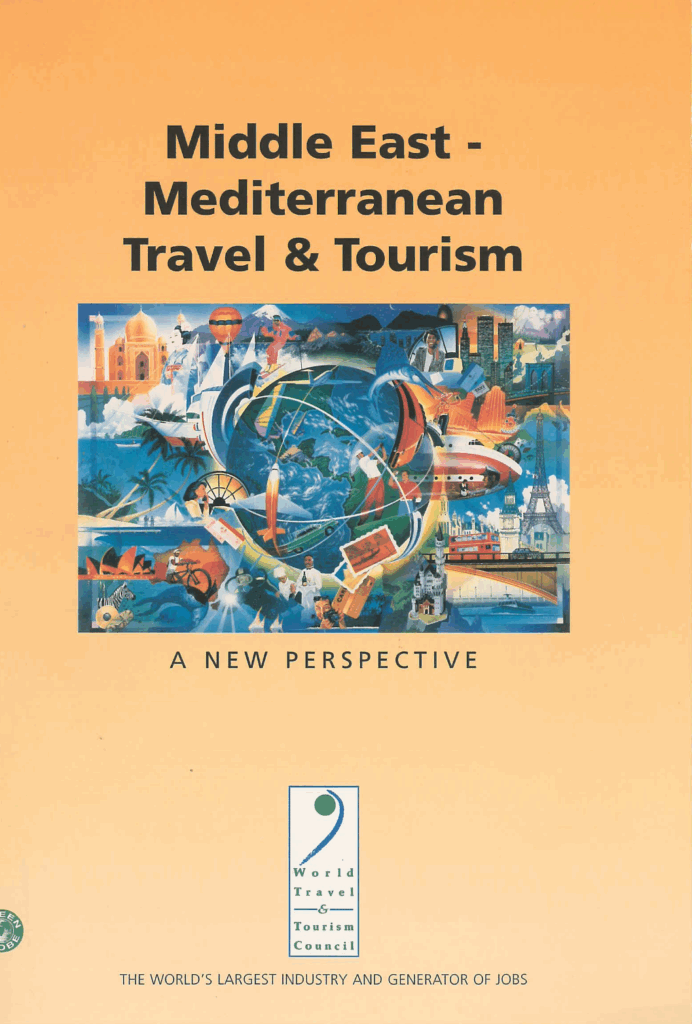
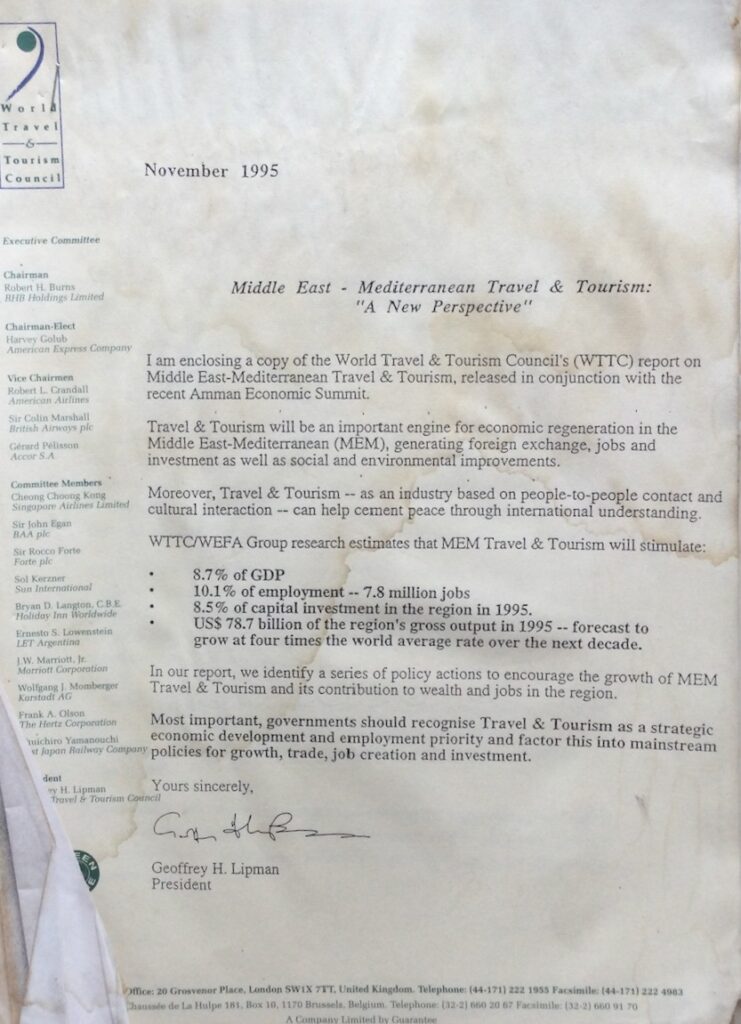
Published during the WTTC chairmanship tenure of Robert Burns, the legendary hotelier who passed away just a few weeks ago, it was released in advance of the 33rd International Hotel Association annual congress in Tel Aviv set for 02-06 November 1995 under the circular theme of “Peace Promotes Tourism Promotes Peace.”

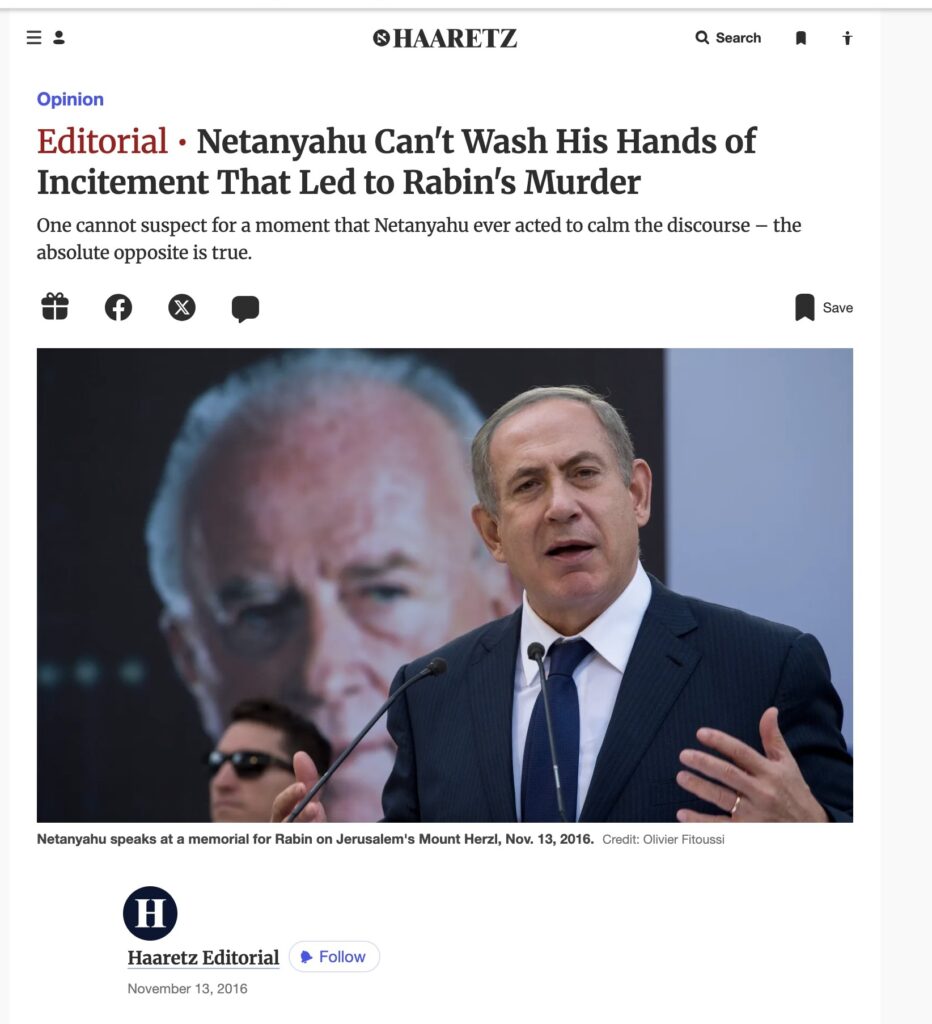
Sadly, all those dreams perished on the night of 04 November 1995 with the cold-blooded assassination of PM Rabin, just 48 hours after he opened the IHA with a memorable speech outlining his vision for a peaceful transformation of the entire Middle East, with Travel & Tourism leading the way.
Here are images of that assassination.
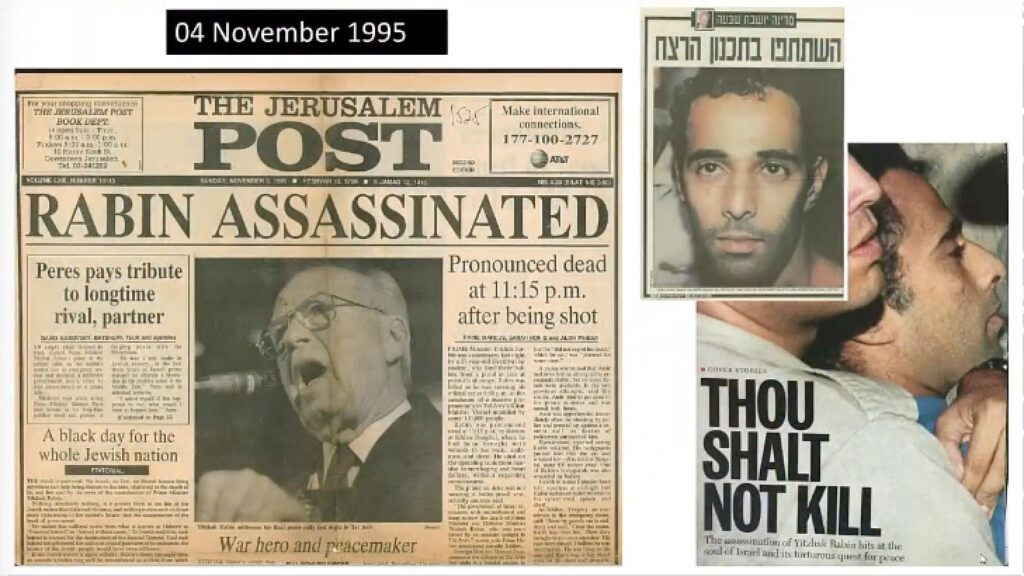

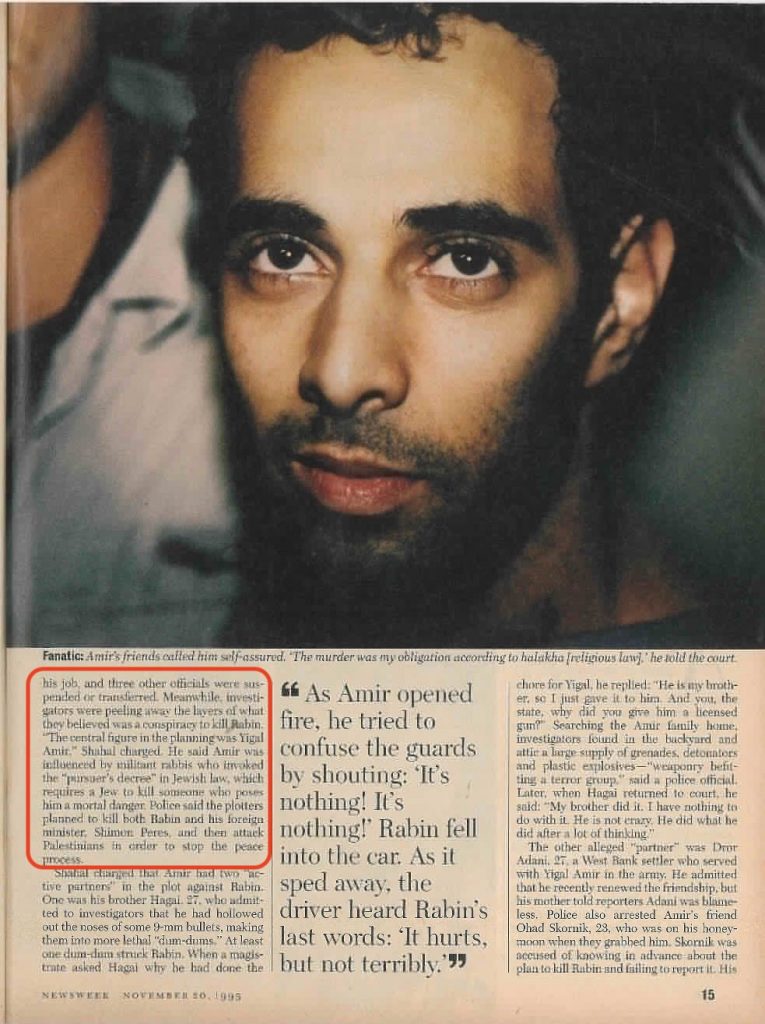
Today, 30 years later, both peace and tourism are again at a fragile crossroads. This time, the opposite is happening. The apocalyptic dreams of PM Rabin’s Jewish terrorist extremist assassin Yigal Amir are coming true while Rabin’s dreams are dying. The politicians who incited Rabin’s killer are leading the charge, still continuing to kill at will.
As the only journalist from Asia present at that dreams-to-nightmares IHA conference, I am posting this article as a reminder to the WTTC summit delegates about the dreams, hopes and aspirations of their predecessors.
They will need to reflect deeply on this history as they ponder the future of Travel & Tourism in the second quarter of the 21st century.
At stake is their own credibility and relevance.
In his opening speech at the UN General Assembly summit last week, UN Secretary General Antonio Guterres said the following:
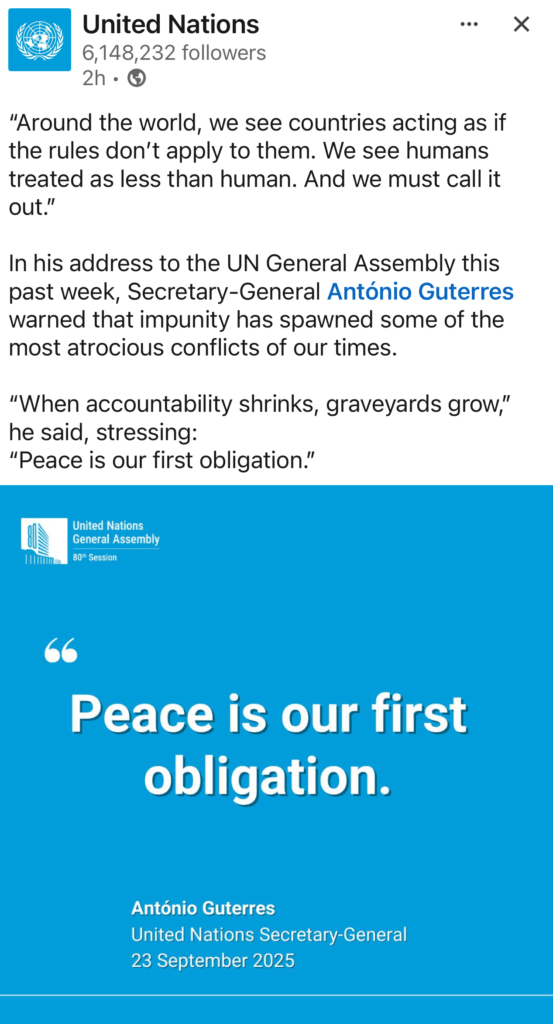
That is precisely what the Israeli and Palestinian leaders, and Travel & Tourism at large, led by the WTTC, firmly believed in 30 years ago.
Today, it is a different story altogether.
Sadly, the chaotic and tumultuous global operating environment does not figure anywhere on the WTTC summit agenda. It makes no mention of peace-building. Instead, it covers the usual hackneyed topics found everywhere — technology, sustainability, innovation, events, destination management, etc.
In 1991, when the WTTC was created, the thematic mantra was “Creating Jobs”. That simple message attracted ministers, politicians, bureaucrats, investors, tourism industry stakeholders, facilitating the creation of an entire policy ecosystem to create and drive industry growth.
It worked. Travel & Tourism has grown steadily year after year. WTTC reports linking jobs, GDP and economic growth were primary contributors to that.
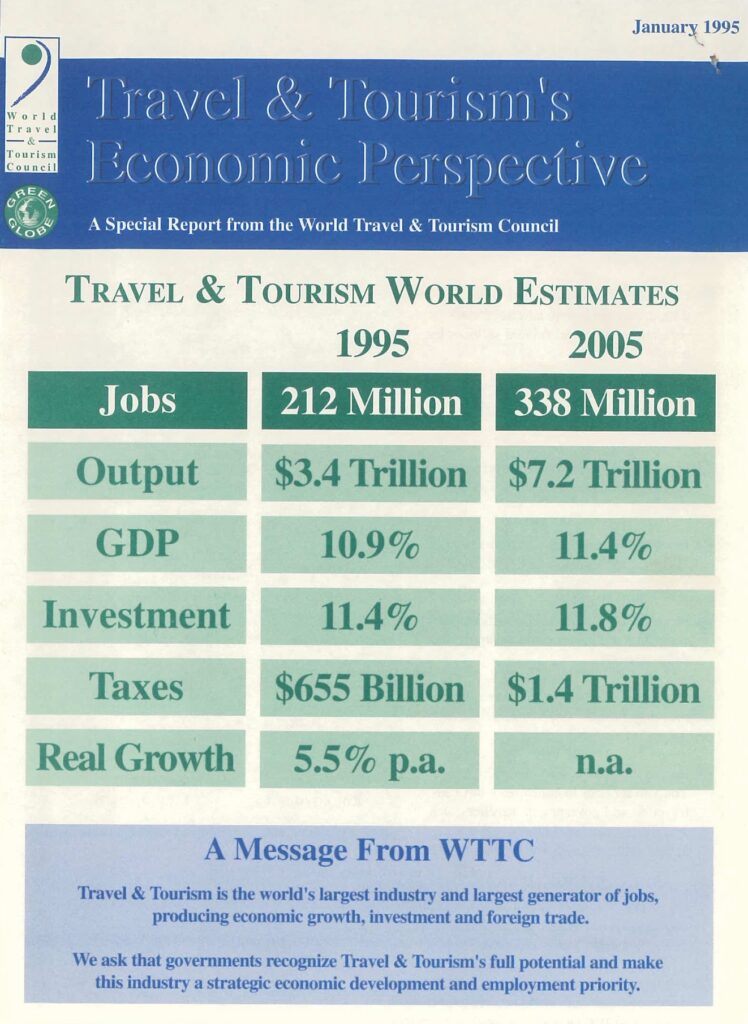
Today, “Creating Jobs” is no longer an overarching priority.
“Savings Jobs” is.
Hence, the job of every CEO at the WTTC summit is to save ours.
I repeat:
The job of every CEO at the WTTC summit is to save ours.
Here is a three-point task-sheet for the CEOs and summit delegates.
(+) If Travel & Tourism claims to be an “Industry of Peace,” the WTTC will have to prove it.
(+) If Travel & Tourism CEOs claim to be champions of sustainability for sake of the future generations, they will have to prove it.
(+) Both the WTTC and the UNWTO may soon be headed by women, both of whom will be at the summit. If women leaders claim to be a cut above the men, they soon will have a chance to prove it.
Because the next crisis is just around the corner. That will mean more job losses, mostly at the bottom rung of the ladder.
When it strikes, the desperation for sure will spill out into the streets.
Every travel corporation, institution and destination needs to beware.
Either way, the WTTC’s 25th anniversary Rome summit will prove to be a memorable one.
Its CEO delegates will either hark back to the letter and spirit of their own 1995 report and recognise its value even today.
Or they will ignore it and revert to the cliche strategy of MANAGING the next crisis rather than PREVENTING it.
I trust they will make the right call.
Nothing less than their own credibility and relevance is at stake.