
16 May 2026
“Is PATA still relevant?” Yes, more than ever, says PATA CEO Noor Ahmad Hamid
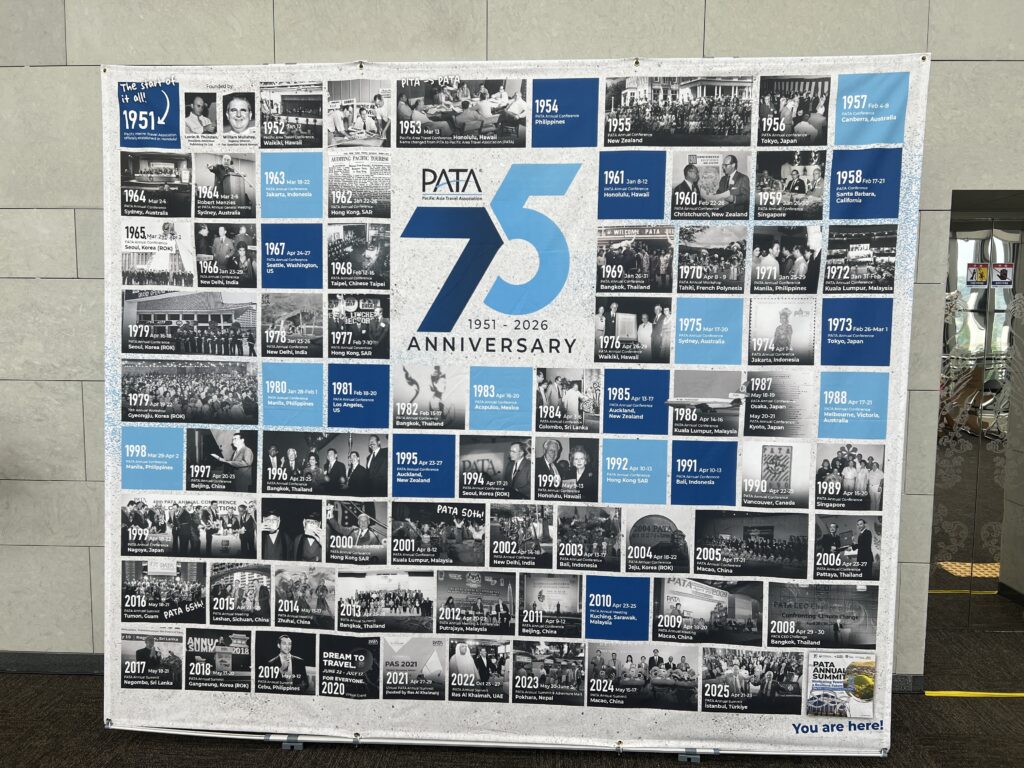
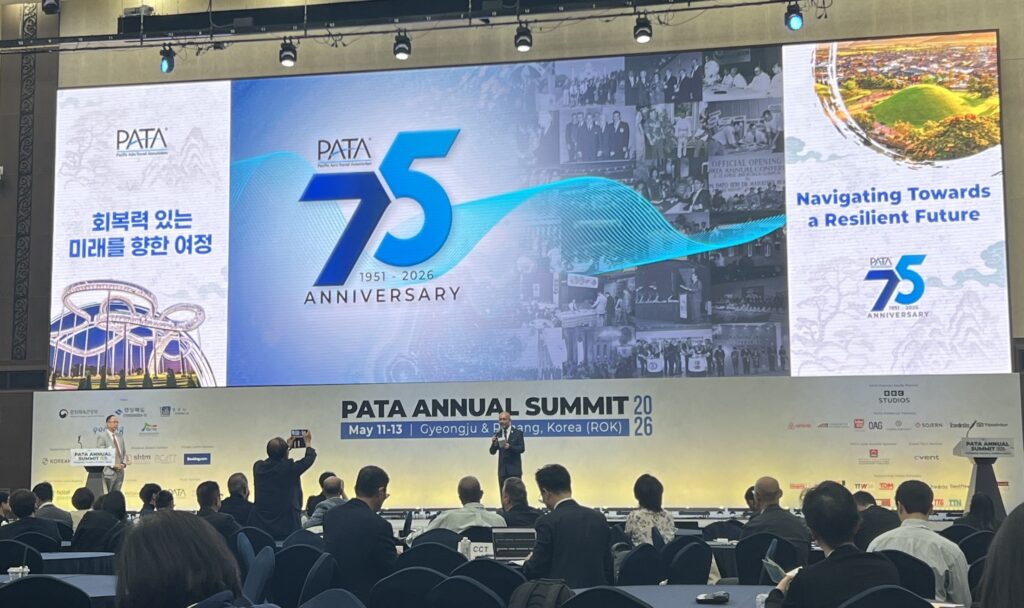
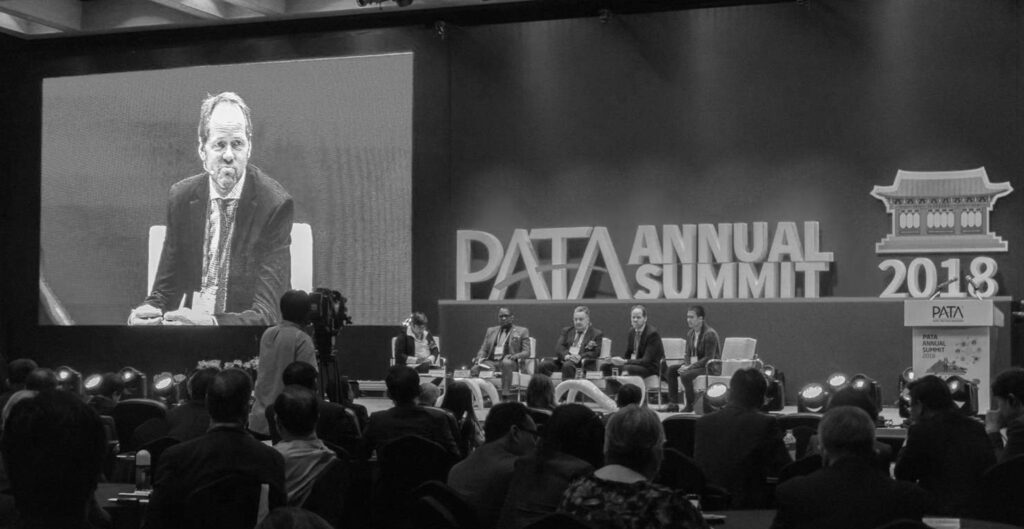
The theme of PATA’s 75th anniversary annual summit in Korea between 11-14 May was “Navigating Towards a Resilient Future.” Delegates entering the conference hall were greeted by a mosaic of images reminding them of PATA’s dynamic and glorious past. Which raised the obvious question: Why did PATA go into a free-fall? What is being done to revive its once high-flying fortunes?
On 12 May, a few hours after Mr Henry Oh’s assumption of the PATA chairmanship, CEO Noor Ahmad Hamid delivered a speech to PATA delegates reflecting on the Association’s past legacy and outlining plans to “Navigate Towards a Resilient Future” through the perfect storm of multidimensional and multidirectional polycrises.
Listening to the speech, it was obvious to me that such navigation will depend entirely on a strong ship, an end to the toxic internal politics of the last four years and teamwork to keep the ship afloat.
The speech is being reproduced here in full.
============
By Noor Ahmad Hamid, CEO, Pacific Asia Travel Association (PATA)
Welcome to the PATA Annual Summit 2026, welcome to PATA’s 75th Anniversary, and welcome to Korea.
Annyeonghaseyo.
As I stand before you this afternoon, allow me to address what may well be the most important question facing the Association today:
Is PATA still relevant?
It is an uncomfortable question, but an essential one.
Before we discuss the future of tourism — trends, technology, sustainability, or visitor economies — we must first honestly ask ourselves whether this Association still matters in a rapidly changing world.
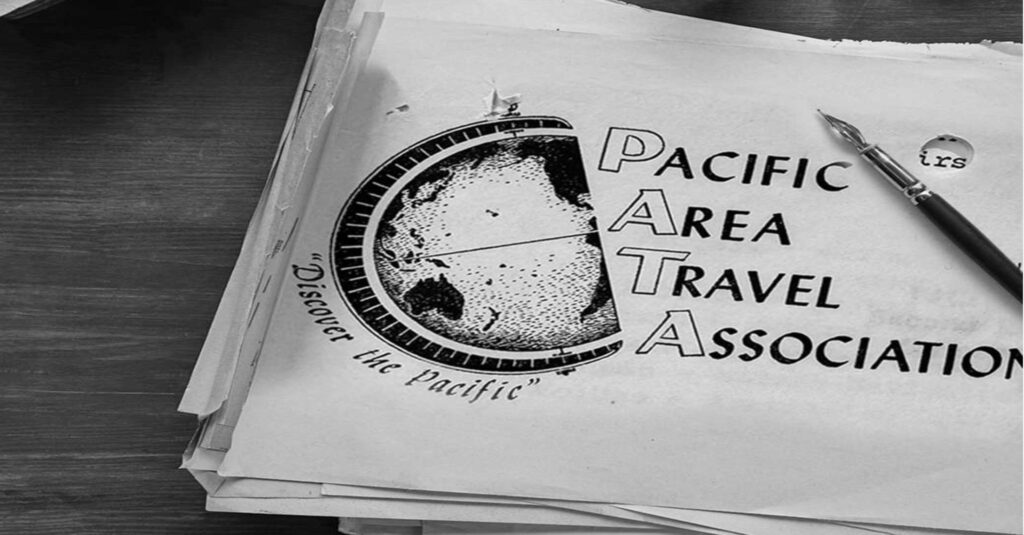

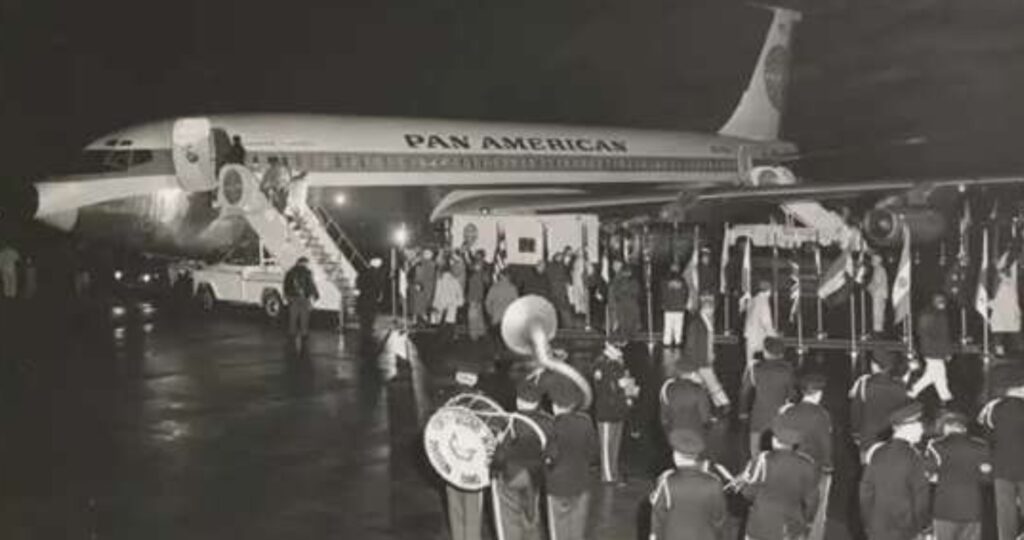
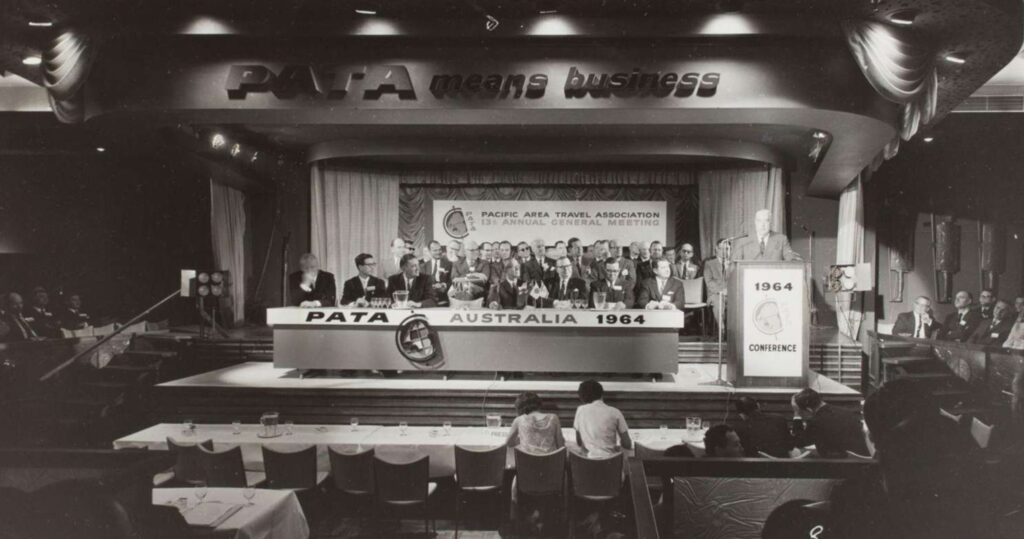
Seventy-five years ago, PATA was founded on a bold vision.
Lorrin Thurston, Bill Mullahey, and a group of visionary leaders believed tourism could connect North America, the Pacific, Asia, and the wider world through peace, understanding, respect, and shared opportunity.
They believed travel could become more than an industry.
It could become a bridge between cultures, a pathway to prosperity, and a passport to peace.
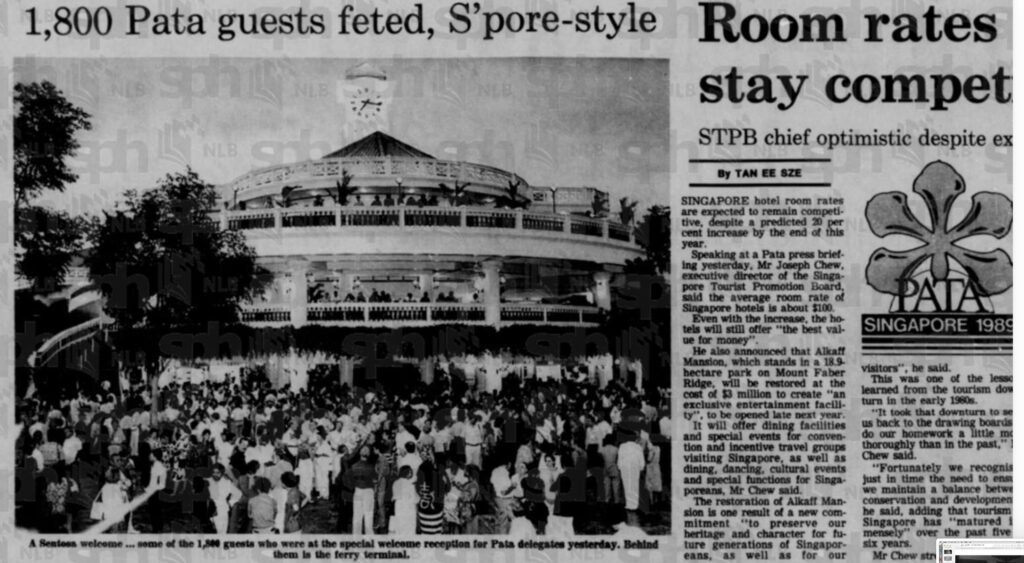
And over the decades that followed, PATA grew alongside one of the most dynamic tourism regions in the world — helping bring governments, businesses, educators, and communities together around a shared purpose.
Today, we honour that legacy with pride.

But anniversaries should not only be celebrations.
They should also be moments of reflection.
Because the world around us is changing rapidly.
Geopolitical uncertainty continues to affect confidence, mobility, and global cooperation.
Climate change is threatening destinations, tourism assets, communities, and livelihoods.
Artificial Intelligence is reshaping the way we live and work, bringing enormous opportunities alongside growing concerns around cyber-attacks, misinformation, scams, and stolen data.
At the same time, travellers and industry leaders alike are beginning to question the value of tourism growth itself.
We hear conversations about “value over volume,” overtourism, regenerative tourism, sustainability, and inclusivity.


So where are we heading?
And if PATA is not fully relevant today — then what are we going to do about it?
Because legacy and history alone will never secure the future.
The real question is whether PATA can continue to create impactful value in a world that is more fragmented, more digital, and more uncertain than ever before.
I believe the answer is yes — but only if we are prepared to evolve.
PATA’s relevance has never been defined by size alone.
It has been defined by its ability to bring together different perspectives from across the tourism ecosystem — governments, businesses, destinations, academia, and young professionals — and turn dialogue into ideas, partnerships, and action.

That role matters even more today.
Because the future of tourism will depend not only on growth, but on how effectively we respond to shared challenges, adapt to change, and create long-term value for destinations and communities.
And that is why gatherings like this matter.
The conversations taking place this week — both inside and outside this conference hall — have the potential to help shape not only the future of PATA, but also the future direction of our industry.
In 1982, at the PATA Conference in Bali, this Association helped advance the idea of Responsible Tourism long before it became mainstream.
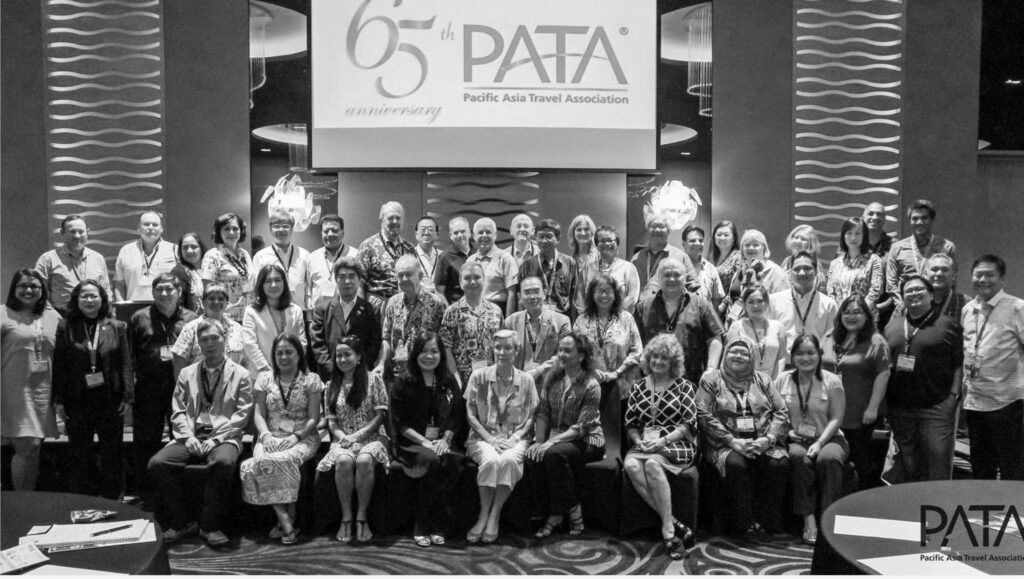
So what will we stand for in 2026?
How do we ensure tourism remains purposeful, resilient, and beneficial for communities as well as economies?
And how do we prepare our industry for a future that will demand greater adaptability, responsibility, and cooperation?
These are some of the questions that will define the discussions over the coming days.
Because resilience today is no longer simply about recovering from disruption.
Resilience is about adaptability.
It is about how destinations prepare for change, how businesses innovate responsibly, how communities benefit sustainably from tourism, and how leaders balance growth with long-term sustainability.
We must stand together.
Our strength has always been our people — governments, industry leaders, entrepreneurs, educators, young professionals, and communities coming together across borders, cultures, and sectors.
That spirit of collaboration is more important today than ever before.
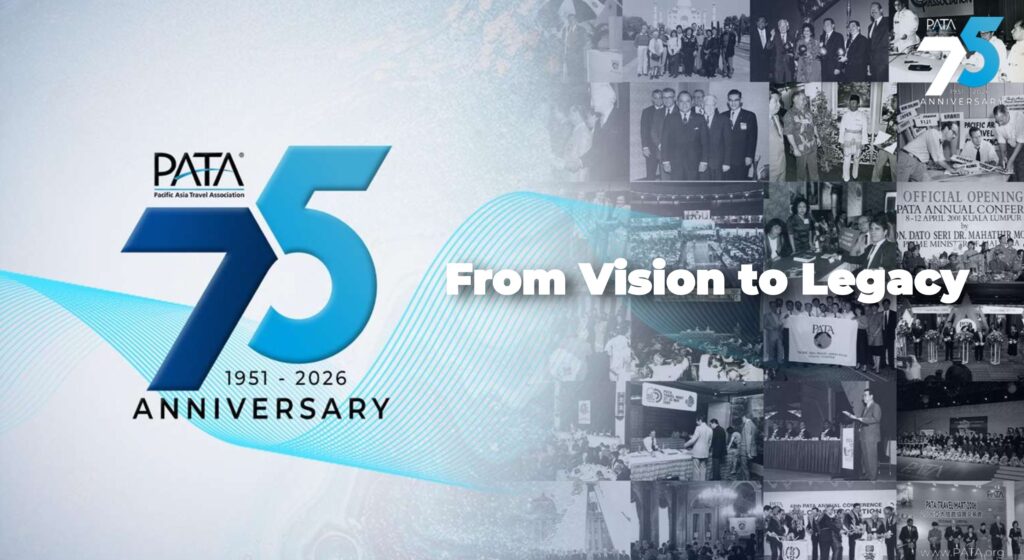
So as we celebrate PATA at 75 — from vision to legacy — let us not simply honour the past.
Let us challenge ourselves to shape the future.
Let us embrace change, support one another, and work together to ensure tourism remains a force for connection, resilience, and opportunity in an increasingly uncertain world.
Because the relevance of PATA will not be decided by history.
It will be decided by what we choose to build together next.
And the next 75 years of PATA will depend not on what we inherited — but on what we create together from this moment forward.
As the Korean proverb reminds us:
“If we walk together, we can go farther than we ever could alone.”
Now, before I close my speech, last night at the PATA Executive Board & Board Member and PATA Awards Presentation Dinner, we took a moment to recognise and celebrate the PATA members marking 50, 60, and more than 70 years of membership with the Association.

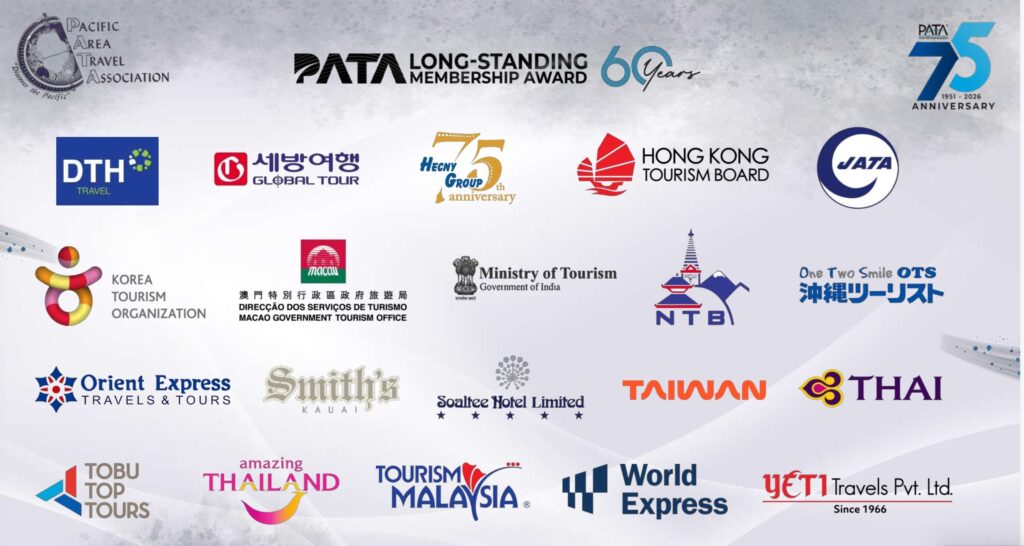

So today as we mark our 75th Anniversary, I would like to take this opportunity to once again first recognise our members celebrating more than 50 years of membership with PATA.
Next I want to recognise our members celebrating more than 60 years of membership with PATA
And finally, let us honour our members celebrating more than 70 years of membership with PATA.
I would also like to take a moment to honour the distinguished leaders who have helped guide the Association throughout its history.
For more than seven decades, PATA Chairs have played a vital role in shaping the direction of the Association and advancing tourism across the Asia Pacific region.
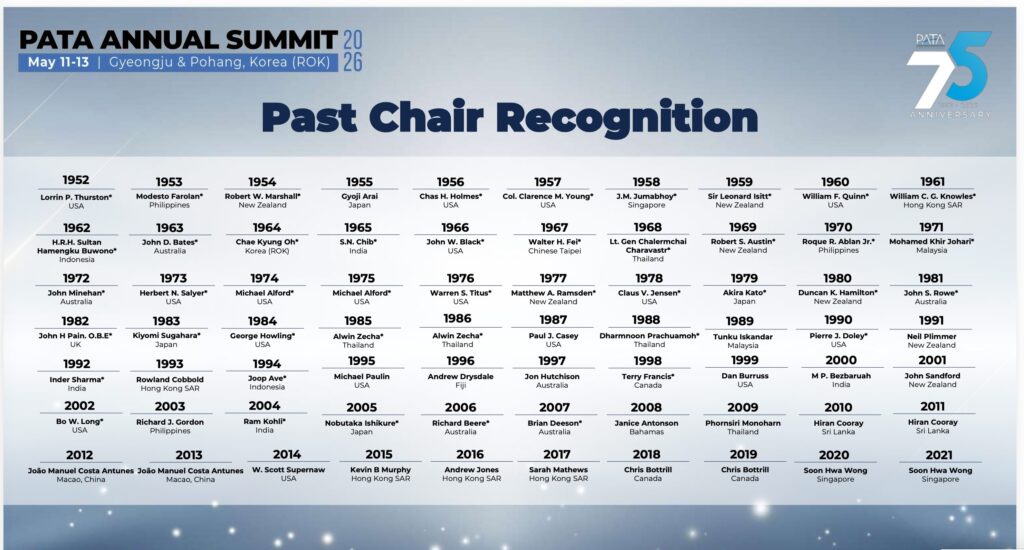
Today let us once again honour the legacy and contributions of all Past Chairs of PATA and recognise several Past Chairs who are joining us here today.
1. Tunku Iskandar, Mitra Malaysia Travel, Malaysia
2. Michael Paulin, Paulin Investment Properties, USA
3. Hiran Cooray, Jetwing Hotels Limited, Sri Lanka
4. Andrew Jones, Sanctuary Resorts, Hong Kong SAR
5. Sarah Mathews, E-Tourism Frontiers, Hong Kong SAR
6. Soon Hwa Wong, Asia Tourism Limited, Singapore,
7. Peter Semone, Destination Human Capital Limited, Thailand
On that note, thank you, and I wish you all a productive, dynamic and inspiring PATA Annual Summit 2026.
Let’s stand strong together.